
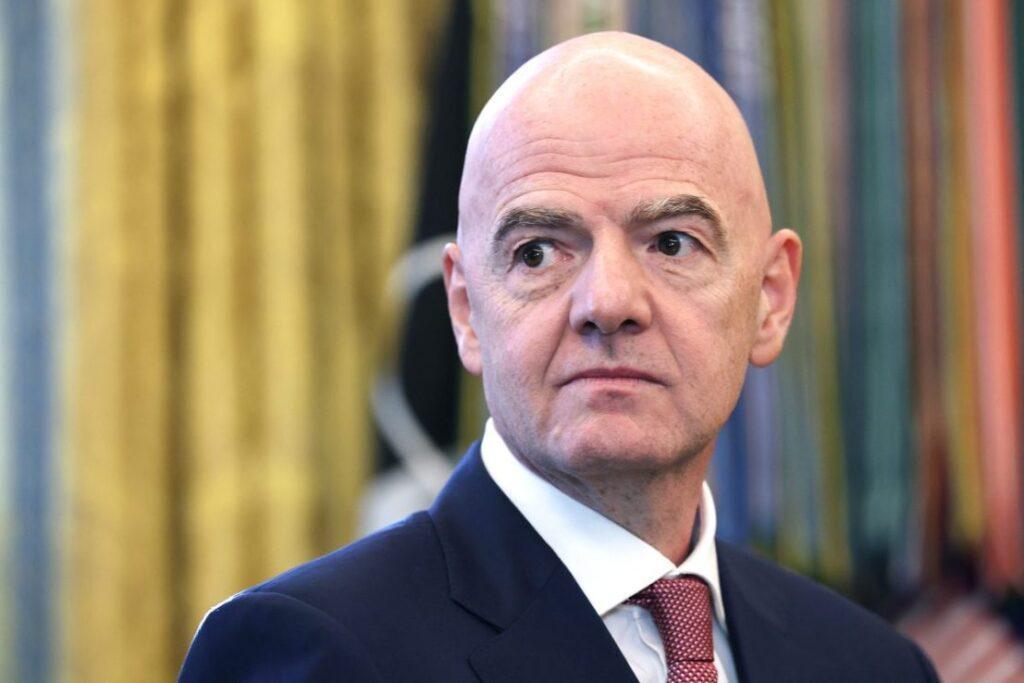
Rethinking the Role of FIFA’s President
The recent developments surrounding Gianni Infantino, President of FIFA, have inadvertently highlighted the significance of this position within the realm of international football. As the governing body prepares for major tournaments, the influence of the president becomes increasingly evident, prompting a necessary reflection on the process of electing such an important figure.
Infantino’s involvement in high-profile meetings, including those with prominent political leaders, underscores the intersection between sport and governance. For instance, his participation in discussions with the White House Task Force regarding the upcoming FIFA World Cup in 2026 illustrates the weight carried by the president’s role, not only in football but also in broader societal contexts.
The Intersection of Football and Politics
During a recent meeting in Washington, DC, Infantino engaged with US President Donald Trump, focusing on logistics and security for both the 2025 Club World Cup and the 2026 FIFA World Cup. This level of engagement suggests that the FIFA president is not merely a ceremonial figure but a pivotal player in the orchestration of global sporting events that resonate deeply within national and international frameworks.
The implications of such interactions extend beyond the pitch. They raise questions about the accountability and governance of football’s highest authority. How the president is elected and the criteria for their appointment merit reconsideration. Should the selection process be more transparent and involve a broader spectrum of stakeholders in the football community? The current system, which often relies on political manoeuvring and alliances, could benefit from a re-evaluation to ensure that the elected individual truly represents the interests of the sport and its fans.
Evaluating the Current Election Process
The current electoral framework for FIFA’s presidency has faced scrutiny, particularly in light of past controversies. A more democratic approach could enhance the legitimacy of the position and foster greater trust among fans, players, and football associations worldwide. A transparent election process that includes input from various stakeholders might help mitigate the perception of the presidency as a role marred by political intrigue.
As the world of football evolves, so too must the governance structures that support it. The recent spotlight on Infantino’s actions serves as a reminder of the president’s influence and the need for a system that prioritises integrity and accountability. Moving forward, stakeholders must engage in dialogues that could lead to reforms, ensuring that the leadership of FIFA aligns with the values of the sport and its global community.




More Stories
Kristin Scott Thomas Shines in The Cherry Orchard at Harold Pinter Theatre
Burnham Ally Claims Business Sector Feels ‘Beaten Up’ Amidst Current Challenges
Record £66 Million for Sport Media Rights in 2026 Surpasses Concerns