
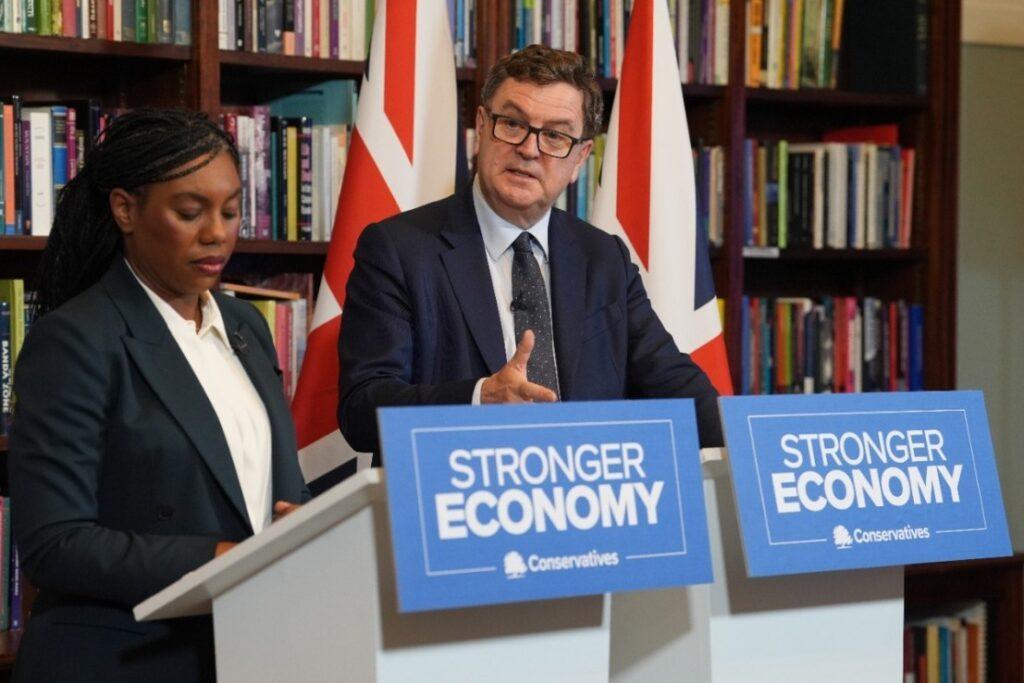
A recent analysis by Conservative Party sources suggests that a new capital gains tax targeting the wealthiest individuals in Britain could inadvertently result in a financial loss for the government. This assessment highlights the complex implications of tax policy on investment behaviour and overall economic growth.
Potential Consequences of Increased Taxation
The proposed increase in capital gains tax aims to generate additional revenue from the affluent, who typically benefit from lower tax rates on investments compared to income tax. However, the analysis posits that higher taxation could dissuade investment, ultimately leading to a decline in economic activity. This could result in reduced tax revenues, counteracting the initial intentions behind the policy.
Investment decisions are often influenced by tax implications, and a significant increase in the capital gains tax rate might prompt wealthy individuals to reconsider their investment strategies. Many may opt to delay selling assets or even relocate their investments to jurisdictions with more favourable tax conditions. Such actions could lead to a decrease in liquidity within the market, affecting not only individual portfolios but also the broader economy.
Long-term Economic Impact
Beyond immediate revenue concerns, the long-term consequences of altering capital gains tax rates could be far-reaching. The analysis warns that a decline in investment could hinder innovation and growth within key sectors of the economy. Wealthy investors often provide crucial funding for startups and emerging technologies, and a reduction in their participation could stifle advancements that drive economic progress.
Furthermore, the potential for capital flight, where affluent individuals move their assets abroad to avoid higher taxes, poses a significant threat to the UK’s financial landscape. Such a trend could exacerbate existing economic challenges, leading to a decrease in job creation and overall productivity.
Alternative Approaches to Wealth Taxation
In light of these findings, some Conservative analysts advocate for a more nuanced approach to taxation that encourages investment while ensuring that wealthier individuals contribute their fair share. Strategies such as tax incentives for reinvestment into domestic businesses or streamlined tax processes could promote a healthier investment climate without imposing punitive measures.
Ultimately, the debate surrounding capital gains tax illustrates the delicate balance policymakers must strike between generating revenue and fostering a robust economic environment. As the government considers its options, understanding the potential repercussions of tax policy on investment behaviour will be crucial in shaping a sustainable financial future for the UK.




More Stories
Poundland Responds to Union Criticism, Dismissing ‘Speculation’ Surrounding Ownership
Wall Street Banks Achieve Impressive £22 Billion Trading Windfall – Is This the Peak?
Kristin Scott Thomas Shines in The Cherry Orchard at Harold Pinter Theatre