
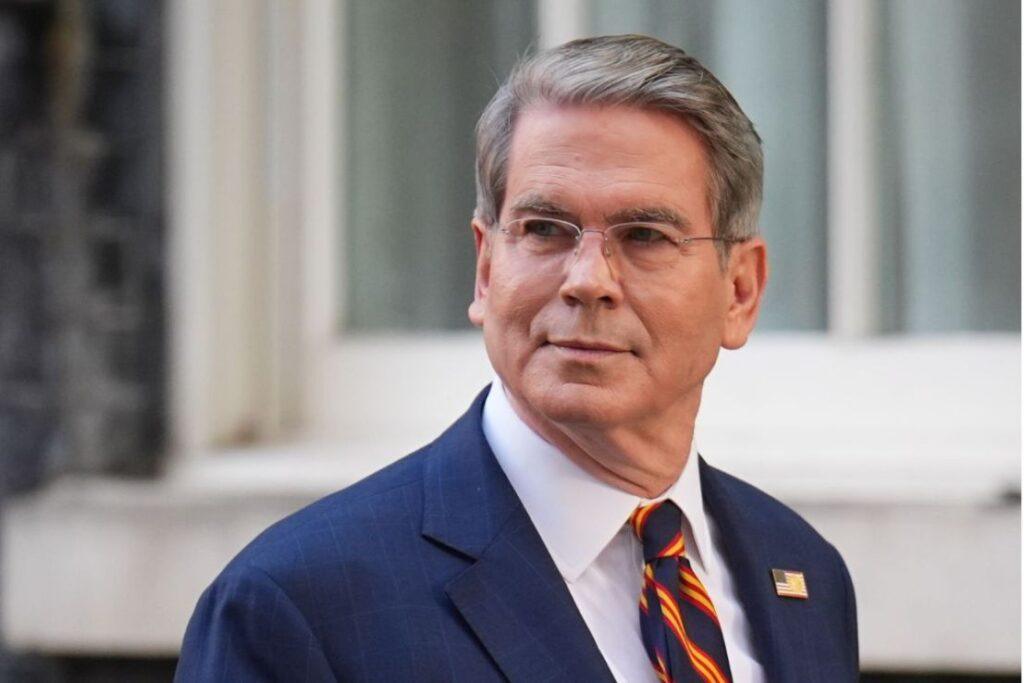
Lord Jim O’Neill, a former executive at Goldman Sachs and a Conservative Treasury minister, has turned down an opportunity to join Andy Burnham’s government, presenting a setback for the Prime Minister as he seeks to engage the business community ahead of the forthcoming Budget. O’Neill, who had previously acted as an informal economic adviser to Burnham prior to his election as Labour leader, was in discussions regarding a significant economic position within Burnham’s administration, as first reported by City AM.
However, it has now been confirmed that O’Neill has opted against accepting a formal role. Sources indicate that his decision stems from a desire to maintain control over his personal investments, rather than any disagreement over policy matters. In a statement to the Financial Times, O’Neill expressed that he is very much enjoying his current private sector engagements, emphasising that he did not want to place his assets into a blind trust, which would be necessary were he to take on an official government position.
Impact on Burnham’s Government Strategy
This development could have implications for Burnham’s strategy to attract business support and credibility within the economic landscape. O’Neill’s expertise and reputation in financial circles would have been invaluable in shaping economic policy and fostering relationships with the business community. His decision to remain in the private sector comes at a crucial time when the government is under pressure to demonstrate its commitment to economic growth and stability.
Burnham’s administration will need to reassess its approach to securing top-tier economic talent as it moves forward with its agenda. The rejection of O’Neill, a prominent figure in the finance world, may prompt the government to seek alternative candidates who can bridge the gap between the public and private sectors.
Broader Implications for Economic Policy
O’Neill’s reluctance to engage in governmental duties reflects a broader trend among business leaders who are increasingly cautious about entering politics, particularly when it involves relinquishing control over their financial interests. This caution could signal a challenge for political leaders who rely on the expertise of seasoned professionals to guide economic policy amidst an ever-changing financial landscape.
As the government prepares for the upcoming Budget, the absence of influential voices like O’Neill’s may hinder its ability to craft policies that resonate with both the business sector and the electorate. The need for collaboration between these two spheres is more crucial than ever, especially as economic uncertainties loom on the horizon.




More Stories
Shein Wins Appeal in Ongoing Fast Fashion Copyright Dispute with Temu
Davey Urges AI ‘Pause’ as Burnham Signs Landmark US-UK Tech Agreement
London Stock Exchange’s Pisces Market Prepares for Its Third Major Tech Listing