
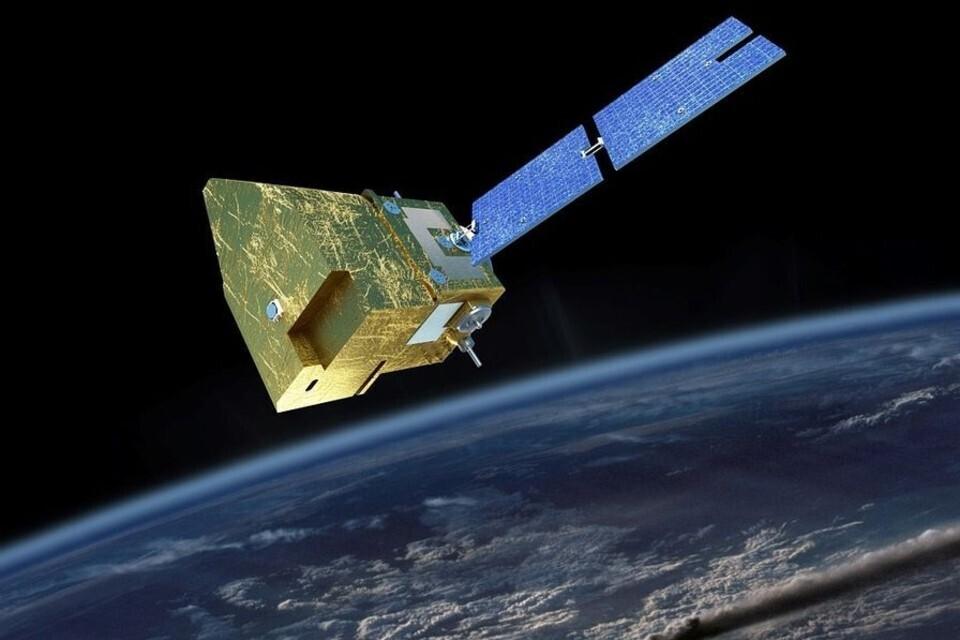
MicroCarb: A Groundbreaking European Initiative
MicroCarb marks a significant milestone as the first European mission aimed at characterising greenhouse gas fluxes across the Earth’s surface. It seeks to assess the extent to which oceans and forests, the planet’s primary carbon sinks, are absorbing carbon. This ambitious project is a collaborative effort between the French space agency CNES and the UK Space Agency, with the satellite successfully launched into orbit in July 2025.
By September 2025, MicroCarb had already begun to deliver its initial images, while ongoing work focused on the precise calibration and refinement of data processing algorithms to enhance the accuracy of its findings.
Advancing Climate Monitoring from Space
Understanding the behaviour and dynamics of greenhouse gases in the atmosphere is crucial for comprehending the complexities of our changing climate. MicroCarb aims to build on the foundation laid by earlier CO2 missions, integrating into an international network of satellites dedicated to greenhouse gas monitoring. This will enable the collection of more precise data on CO2 emissions than ever before, thereby enhancing our knowledge and monitoring capabilities concerning the natural carbon cycle and human-induced emissions.
Moreover, MicroCarb will play an essential role in tracking global progress towards the goals outlined in the Paris Agreement, which seeks to limit surface warming worldwide. It will provide vital insights into the balance between carbon absorbed through natural processes and that emitted by human activities. Notably, the satellite’s city-scan capability will facilitate the mapping of atmospheric CO2 concentrations over urban areas, offering essential data to support sustainability in urban planning.
Instrumentation and Measurement Precision
Orbiting at an altitude of 650 kilometres, MicroCarb is designed to conduct its observation and measurement cycles every 21 days. At the heart of the mission is an advanced infrared spectrometer capable of measuring O2 and CO2 concentrations across four distinct spectral bands: 0.76μm, 1.27μm, 1.6μm, and 2μm, derived from sunlight reflected off the Earth.
One of the critical aspects of MicroCarb’s mission is its ability to observe photosynthetic activity. The spectrometer boasts remarkable precision, with CO2 concentration measurements approaching 1 part per million (ppm) and a pixel resolution of 4.5×9 kilometres. For urban monitoring, the city-scanning mode will achieve an even finer resolution of 2×2 square kilometres.
Additionally, MicroCarb will collect data on Solar Induced Fluorescence (SIF), which will enrich the insights gained from CO2 observations concerning carbon sinks and their dynamics.
UK Involvement and Contributions
The UK Space Agency has committed £15 million to the MicroCarb project, enabling British industry and scientific communities to take pivotal roles in the mission’s development and execution.
Key contributions from UK entities include:
- Thales Alenia Space UK (TAS UK) successfully completed the assembly, integration, and testing of the satellite at STFC RAL Space in Harwell, Oxfordshire.
- STFC RAL Space designed the pointing and calibration system, which allows MicroCarb to accurately take measurements at specific locations.
- The National Physical Laboratory (NPL) provided a SI-traceable ground calibration facility to evaluate the satellite’s performance before launch and is also working on developing algorithms and quality metrics for the mission.
- Professor Paul Palmer from the National Centre for Earth Observation (NCEO) and the University of Edinburgh is responsible for translating MicroCarb’s CO2 observations into comprehensive maps detailing carbon absorption and emissions.
- Dr Rob Parker is part of the NCEO team working on the Solar Induced Fluorescence retrieval algorithm, utilising expertise from the University of Leicester.
- GMV UK is tasked with designing, implementing, and quality assuring algorithms and operational processors for various CO2 data products.




More Stories
UK Welcomes Syrian Democratic Forces’ Integration into Central Government: Statement at UN Security Council
Kidlington Waste Site Transformed Following Major Clean-Up Operation
Cari-Anne Quinn: Pioneering Health Innovation in Wales to Transform Possibilities into Progress