
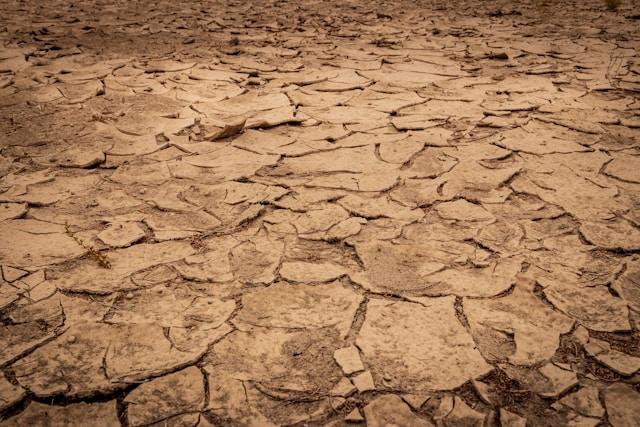
National Drought Group Increases Meeting Frequency Amid Ongoing Drought
The National Drought Group has shifted to weekly meetings as drought conditions worsen, despite recent rainfall. This adjustment signifies a more proactive approach by the government in addressing the escalating threats of wildfires and droughts. This decision follows a COBR meeting chaired by Prime Minister Andy Burnham, underscoring the urgency of the situation.
The expert group, which comprises representatives from the Met Office, government agencies, regulators, water companies, farmers, the Canal & River Trust, anglers, and conservation specialists, convened this afternoon. Their discussions centred on the current state of drought and weather patterns, as well as the actions being undertaken by various sectors in the forthcoming months to mitigate the impacts.
Government Initiatives to Support Affected Communities
Last week, the government unveiled a £65 million aid package aimed at supporting farmers, while substantial efforts are also being made to adapt to climate changes. This includes an increase in flood funding and the establishment of nine new reservoirs. Rural Communities Minister Jenny Riddell-Carpenter highlighted the severity of the situation, stating that these are some of the driest conditions experienced in decades. She acknowledged the significant pressure this places on farmers and local communities.
The Minister noted, “We have worked closely with fire services, local authorities, and across government to provide support and safeguard both people and the environment. Drought conditions are deteriorating, and we now also face the risk of flash flooding.” She emphasised that as extreme weather patterns become more frequent, the government is committed to adapting to a changing climate through initiatives like the National Drought Group and the construction of new reservoirs to secure water supplies for the future.
Current Water Resource Challenges
Despite recent rainfall and cooler temperatures, the impact on water resources will be minimal. Currently, nearly three-quarters (71.3%) of England is experiencing drought conditions, and recovery is not expected until later this year. The definition of drought remains until rivers, reservoirs, and groundwater are fully replenished, which may require months of consistent rainfall. The effects on wildlife could endure for years.
Additionally, there is a heightened risk of surface water flooding, as heavy rainfall may run off hard ground rather than being absorbed by dry soil. The government has committed to investing at least £10.5 billion by March 2036 to develop new flood and coastal erosion schemes while repairing existing defences. The Environment Agency has completed 250 projects over the past two years, enhancing flood protection for nearly 62,000 properties.
Expert Insights on Drought and Flood Risks
Philip Duffy, Chief Executive of the Environment Agency, who chaired the National Drought Group, remarked, “This summer has posed significant challenges for both farmers and wildlife, and while the rainfall this week is welcome, it is insufficient to alter the overall drought situation.” He warned that it is possible to experience both drought and flooding simultaneously, particularly when heavy rain falls on compacted soils.
The Environment Agency is actively monitoring flood risks while collaborating with various sectors on the ongoing drought response. Duffy urged everyone to conserve water, stating, “Every drop saved contributes to the health of your local river, lake, or farmer.” Currently, no new areas have been designated as drought-stricken, yet the southern and midland regions remain in drought, while the north is experiencing prolonged dry conditions.
Impact of Recent Weather on Water Levels
The summer has seen the driest July in 190 years, followed by a parched start to August and five extensive heatwaves, leading to rapidly declining river and reservoir levels. Soil moisture has also been adversely affected, which is critical for recharging groundwater supplies essential for agriculture. There is typically a delay of several months before soils respond to rainfall.
Dr Katie Facer-Childs, a senior hydrologist at the UK Centre for Ecology & Hydrology, stated, “After this exceptionally hot and dry summer, it will take several months for river flows and reservoirs to return to normal. A brief period of rain will not resolve the drought.” She emphasised that autumn and winter are crucial for replenishing water resources and that current forecasts suggest that river flows are likely to remain low into the new year, particularly in the southeast.
Ongoing Monitoring and Community Support
As of mid-August, rainfall has accounted for only 17% of the average expected for the month. River flows are currently lower than in 2022, the last time the country faced a “flash drought.” While some areas in northern England have seen slight increases in river flows, many regions are classified as experiencing notably or exceptionally low flow levels for this time of year.
The Environment Agency has raised concerns regarding the effects of drought on the River Severn and has applied for a Drought Order to limit water abstraction from the river. Reservoir levels have fallen to 62.6%, which is significantly lower than what is typically expected at this point in the year. Groundwater levels in areas such as the Cotswold limestone aquifer are also alarmingly low.
Farmers Face Early Harvest Challenges
The Environment Agency has recorded 226 incidents related to drought, including algal blooms, low river flows, and fish fatalities. In response, the agency has conducted numerous fish rescues, safeguarding tens of thousands of fish to protect current and future populations. Farmers are reporting their earliest harvest in two decades, with yields adversely affected by heat stress and dry conditions. Livestock are also experiencing heat stress, compounded by poor grass growth.
The lack of water in rivers has led to 288 irrigation restrictions in East Anglia. In response, the government has announced a £65 million support package, which includes £15 million to facilitate the construction of approximately 100 new reservoirs. The Environment Agency is collaborating closely with the National Farmers Union, especially in East Anglia, to ensure all water abstractors are informed about the latest water resource conditions.
Water Restrictions and Conservation Efforts
Restrictions have been imposed by nine water companies in England, affecting 29 million customers. These companies include Affinity Water, Anglian Water, and Thames Water, among others. Southern Water has submitted two Drought Orders for consideration by Defra, one aimed at maintaining normal abstraction rates from the River Test, even during low flow conditions, and another requesting a ban on non-essential water use.
Members of the National Drought Group have pledged their support for the Let’s Save Water campaign. Rainfall patterns this week have varied across the country, with the majority falling in the north, which is under prolonged dry conditions rather than full drought. Thunderstorm warnings have also been issued in some regions.
Future Weather Predictions and Water Saving Tips
Sarah Davies, Head of Environment and Energy at the Met Office, has indicated that many areas can expect further rainfall over the coming days, with a more unsettled weather pattern anticipated into early September. While the forecast suggests a shift towards more changeable and occasionally wetter conditions, it remains premature to assess the long-term implications for drought conditions.
Looking ahead, temperatures are projected to be around average at the start of autumn, although occasional warm or hot spells may still occur. In light of the current water situation, it is imperative that individuals utilise water wisely to safeguard both current and future supplies. Simple measures, such as opting for low-flow showerheads, installing cistern displacement devices, and collecting rainwater, can significantly reduce water consumption.
With the ongoing drought and the potential for future water shortages, it is crucial for everyone to play their part in conserving this vital resource.




More Stories
New Chief Executive Appointed at the Government Internal Audit Agency
Harnessing Workplace Safety Data: Unlocking the Potential for Effective Commercialisation
Significant Progress Achieved in Resolving Building Safety Crisis