
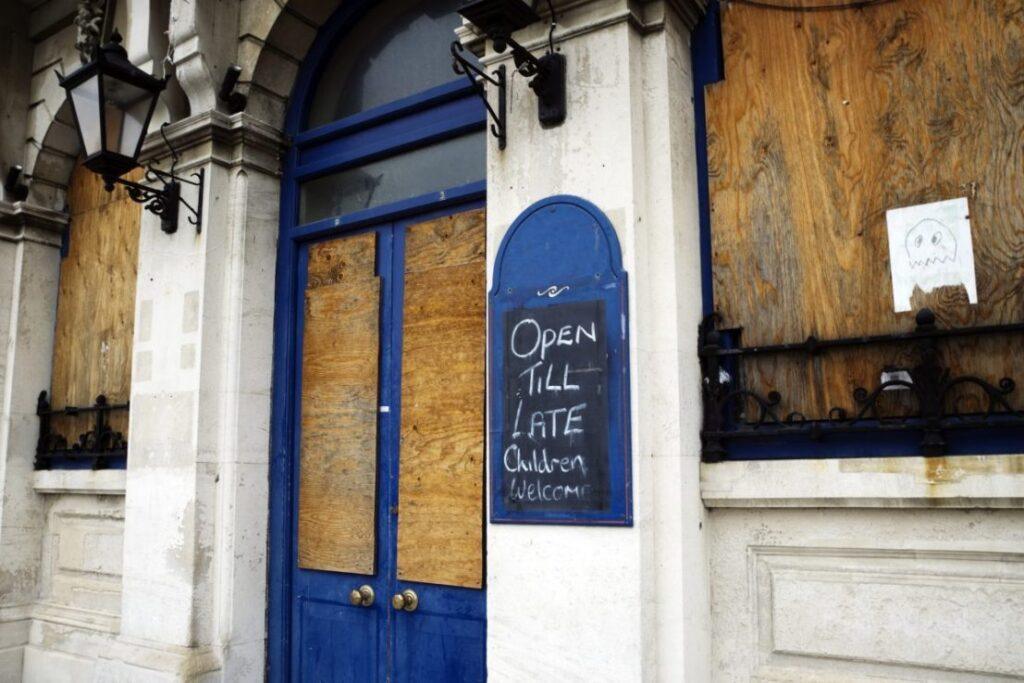
Angela Rayner’s initiative to prevent the transformation of pubs into office spaces and residential properties has raised concerns about the potential negative impact on high streets. Critics argue that such a move could lead to an increase in vacant establishments, further diminishing the vibrancy of local communities.
Concerns Over High Street Vitality
As the debate surrounding the future of pubs continues, many stakeholders within the hospitality and retail sectors are expressing their apprehensions. The preservation of traditional pubs is undeniably important; however, the feasibility of maintaining these establishments in the face of changing consumer habits and economic pressures is increasingly questioned. Some fear that a strict approach to redevelopment could result in more empty venues, ultimately harming the very essence of high streets.
Local businesses thrive on foot traffic and community engagement, which are often generated by diverse offerings in the area. If pubs are left to languish, the knock-on effects may be felt across the retail landscape, leading to a less appealing shopping environment. This could deter visitors and locals alike, compounding the challenges faced by high streets already grappling with the aftermath of recent economic downturns.
The Balance Between Preservation and Progress
Advocates for the protection of pubs argue that these establishments serve as cultural cornerstones within their communities, providing social spaces that contribute to the local identity. However, balancing the preservation of these venues with the need for urban development poses a complex challenge. Some argue that redevelopment can lead to improved facilities and services that cater to modern needs, drawing in new patrons and boosting local economies.
Furthermore, the evolution of high streets is an inevitable process. As consumer preferences shift, so too must the offerings within these areas. A rigid stance on preventing redevelopment may inadvertently stifle innovation and adaptation, which are crucial for the survival of local economies. The key may lie in finding a middle ground that encourages both the preservation of beloved pubs and the responsible development of urban spaces.
Future Implications for Urban Planning
The implications of Rayner’s proposal extend beyond the immediate concern of pub closures. Urban planners and local councils will need to consider how best to integrate these traditional venues within the broader context of community development. Engaging in dialogue with local stakeholders, including pub owners, residents, and retail businesses, will be essential in crafting policies that support both preservation and progress.
Ultimately, the future of high streets hinges on a cooperative approach that respects the historical significance of pubs while also embracing the need for modernisation. By fostering a collaborative environment, it may be possible to create vibrant, diverse communities that honour their past while looking forward to a sustainable future.



More Stories
FTSE 100 Update: Anticipated Stock Decline as Nvidia’s Sales Surge Amid AI Spending Boom
International Swimming League Returns to London: Exciting Comeback in 2023
Burnham Commits to Addressing ‘Cost of Business’ Amid Fears of Tax Increases in Upcoming Budget