
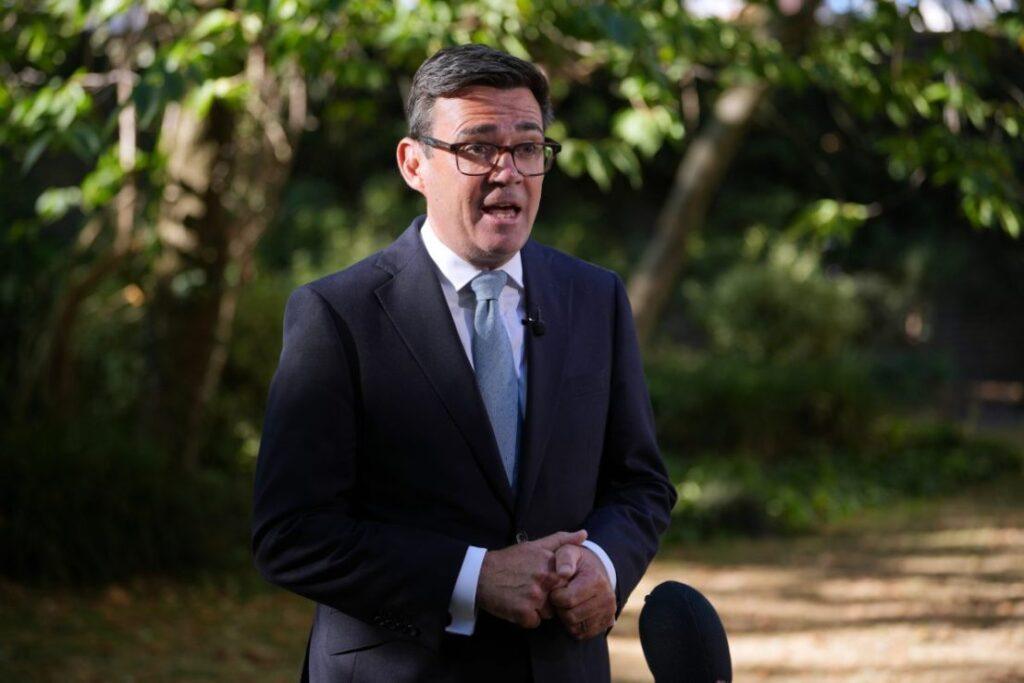
The recent surge in popularity for Labour, driven largely by the charismatic Andy Burnham, presents an intriguing opportunity for the party. With the Prime Minister facing mounting pressures, the prospect of an early election could appear particularly appealing. However, it is imperative for the Labour leadership to approach this situation with a degree of caution.
Labour’s Rising Momentum
Andy Burnham’s influence has undeniably reinvigorated the Labour Party’s image, as he continues to resonate with the electorate through his commitment to local issues and effective leadership. His ability to connect with voters has been instrumental in fostering a renewed sense of optimism within the party. This newfound momentum could be seen as an invitation for Labour to capitalise on their current standing and consider the possibility of an early electoral contest.
However, while the enthusiasm is palpable, it is essential for Labour to thoroughly assess the political landscape before making any hasty decisions. The dynamics of public opinion can shift rapidly, and what seems advantageous today may not hold true in the coming months.
The Risks of Premature Elections
History has shown that calling an election prematurely can backfire spectacularly. Political climates are notoriously volatile, and the factors influencing voter sentiment are often unpredictable. An early election may expose Labour to risks that could undermine the party’s current gains. The potential for unforeseen challenges, be they economic downturns or shifts in public priorities, could jeopardise their standing.
Additionally, the electorate’s mood can be influenced by a multitude of external factors, including the performance of the current government and global events. Labour must be prepared for the possibility that this bounce in popularity could be fleeting, rather than a solid foundation upon which to build an electoral strategy.
Strategic Considerations for Labour
To navigate the complexities of this political landscape, Labour would benefit from focussing on solidifying its policies and ensuring that its messaging resonates with a broad spectrum of voters. Engaging with constituents and addressing their concerns should remain at the forefront of Labour’s strategy, rather than simply riding the wave of popularity.
Furthermore, it is crucial for the party to maintain unity and avoid internal divisions that could weaken their position. The leadership must ensure that all factions within the party are aligned and working towards a common goal, fostering a sense of cohesion as they prepare for potential future challenges.
Conclusion: A Measured Approach
In conclusion, while the Burnham bounce provides Labour with a moment of enthusiasm, it is vital for the party to tread carefully. An early election may seem tempting, but a measured approach that prioritises stability, unity, and strategic planning will ultimately serve Labour better in the long run. As the political landscape continues to evolve, the party must remain vigilant and adaptable, ensuring that they are well-prepared for whatever lies ahead.



More Stories
UK Economy Poised for Growth Amidst Rising Energy Prices
Nscale Prepares for $35 Billion US Stock Market Debut
Labour’s Mansion Tax Set to Impact Homes Valued at £1.5 Million