
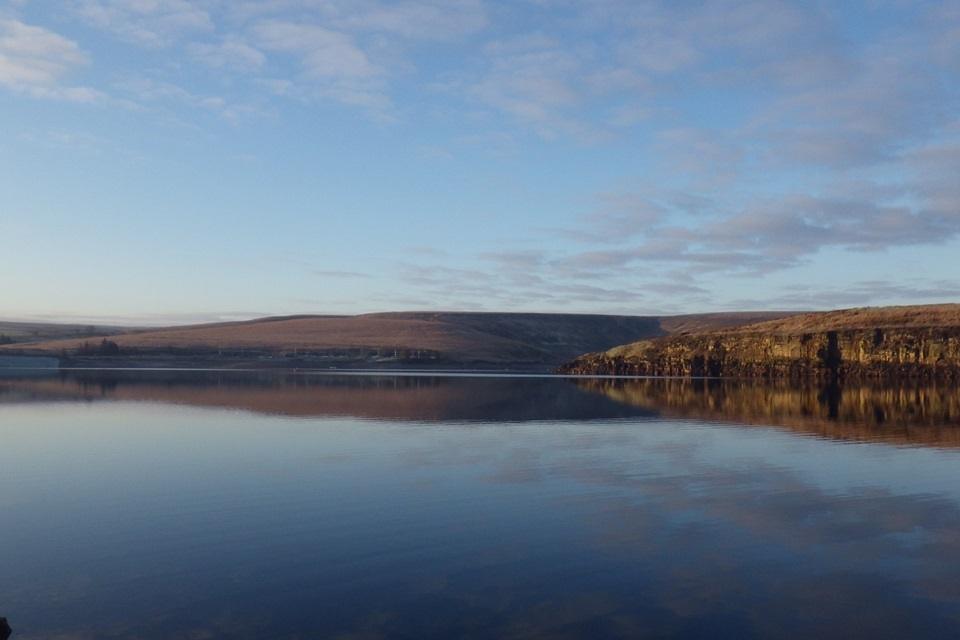
Yorkshire Water has allocated £50,000 to the Sheffield and Rotherham Wildlife Trust to support a local initiative in Ughill. This financial contribution follows an incident in which insufficient water was released from two reservoirs due to inaccurate measurements.
In response to the breach, the Environment Agency has taken enforcement action to ensure that the statutory water company conducts a thorough review of the gauging setups at various reservoir compensation sites across Yorkshire.
Compensation flows from reservoirs play a critical role in maintaining the health of downstream rivers, which are essential for sustaining ecosystems. Insufficient water release can adversely affect oxygen levels, habitats, and overall water quality.
Responsibilities of Yorkshire Water
It is the responsibility of Yorkshire Water to manage the release of a specific volume of water from its reservoirs to safeguard the well-being of downstream aquatic environments.
On 18 November 2021, the water company admitted to the Environment Agency that it had failed to release the required water flows from the Winscar and Windleden reservoirs. This shortfall resulted in water levels at a downstream weir at Dunford Bridge falling below the standards outlined in the company’s impoundment licence, thereby posing a risk of long-term environmental damage.
According to Yorkshire Water, the issue stemmed from a malfunctioning weir gauge and meter, which resulted in lower water flows than required. The Environment Agency later identified that this problem had persisted for four months; however, no direct evidence of environmental harm has been uncovered as yet.
Funding for Environmental Restoration
The £50,000 investment is designated for restoration projects at a site of special scientific interest (SSSI) and for implementing natural flood management strategies at the head of the Loxley Valley in the Peak District.
This funding will also facilitate the management of hay meadows to enhance species diversity, the creation of ponds for amphibians—including the great crested newt—and ecological surveys aimed at monitoring and conserving vital wildlife such as lapwings and curlews.
Martin Christmas, the Environment Agency’s environment manager for Yorkshire, remarked, “While we continue to prosecute and sanction the most serious offences, Enforcement Undertakings enable companies to rectify their mistakes and invest directly in environmental improvements. In this instance, £50,000 will be reinvested into the local area, yielding tangible benefits for our waterways and wildlife.”
Ughill’s Ecological Transformation
Keith Tomkins, nature recovery development manager at Sheffield & Rotherham Wildlife Trust, expressed enthusiasm about the project, stating, “Ughill is now wetter, wilder, and more resilient thanks to this funding, with curlews nesting for the first time this year alongside other breeding waders such as lapwings.”
He added, “In June, we will be hosting our inaugural farmer’s visit to share our findings and experiences with the broader upland farming community.”
Acquired by the Sheffield & Rotherham Wildlife Trust in 2023, Ughill encompasses a diverse landscape within the Peak District National Park, featuring SSSI moorland, hay meadows, woodlands, and a significant waterbody. The area is notably important for wading birds and is home to over 180 plant species, more than 50 bird species, eight mammals, and three conservation-concern butterfly species, including the dingy skipper.
Management of Water Resources
The management of water resources involves the continuous oversight of lakes, rivers, wetlands, reservoirs, and aquifers to ensure that public water needs are met without inflicting damage on the environment.
The Environment Agency serves as the primary regulatory body overseeing water resource management in the UK. Enforcement undertakings represent legally binding agreements between the Agency and companies that have violated environmental regulations. These undertakings require companies to implement measures to prevent future violations and to remedy any damage caused, often involving financial contributions to environmental charities for local improvements.
This approach enables swift environmental benefits without the protracted and uncertain nature of court proceedings, complementing the Agency’s broader enforcement strategies against repeat offenders.
Legal Framework for Enforcement Undertakings
Enforcement undertakings are civil sanctions available under the Environmental Civil Sanctions (England) Order 2010. They are formal agreements that the Environment Agency may accept when there are reasonable grounds to suspect an offence has occurred.
The Agency will consider such undertakings only if the offer directly addresses the cause and effects of the violation or contributes to the protection, restoration, or enhancement of the environment. The Environment Agency remains committed to prosecuting organisations and individuals for environmental offences when evidence indicates significant culpability and serious harm to the environment.



More Stories
Robert Jenrick criticises Deloitte and KPMG for recent job cuts
UK Champions Two-State Solution for Lasting Peace and Security for Israelis and Palestinians
IMF Chief Highlights Risks of AI-Induced Job Losses and Tax Erosion