
The Medicines and Healthcare products Regulatory Agency (MHRA) extends its warm congratulations to all those receiving their A Level results today, 13 August. With the excitement of heading off to university just weeks away, it is essential for young people to ensure that their vaccinations are up to date and that they possess the necessary medicines and medical devices to maintain their health during freshers’ week. These recommendations are beneficial for anyone considering different pathways following their results.
Embracing University Life with Preparedness
Phil Tregunno, Deputy Director of Patient Safety Monitoring at the MHRA, remarked on this significant moment: “Securing your place at university is an exciting milestone. It may be your first time living away from home and taking charge of your own health and wellbeing. Get prepared now, so when you arrive, you can focus on settling in and enjoying university life.”
The Importance of Meningitis B Vaccination
Meningitis B is a severe infection that poses long-term health risks and can even be life-threatening. It is particularly contagious, placing students living in university halls or shared accommodations at heightened risk. The most effective way to protect oneself against Meningitis B is through the Men B vaccine, which is being administered in varying formats across the UK. For further details regarding eligibility and how to obtain the vaccine, visit the relevant government website. Be mindful that the Men B vaccination requires two doses, making timely action crucial before embarking on your university journey.
Ensuring patient safety is the top priority for the MHRA. All vaccines utilised within the UK undergo rigorous approval, testing, and monitoring, ensuring their safety and efficacy. Even post-approval, every batch of vaccine is tested to confirm it meets the agency’s stringent safety standards. The MHRA remains vigilant about any potential safety concerns, relying significantly on the public for safety monitoring. Individuals can report any suspected side effects from vaccines through the MHRA Yellow Card reporting scheme. For more information on meningitis, you can consult the MHRA’s patient factsheet, which is complemented by a vaccine safety guide to provide accessible, evidence-based information on vaccine functionality and safety assurance.
Managing Asthma During the Academic Year
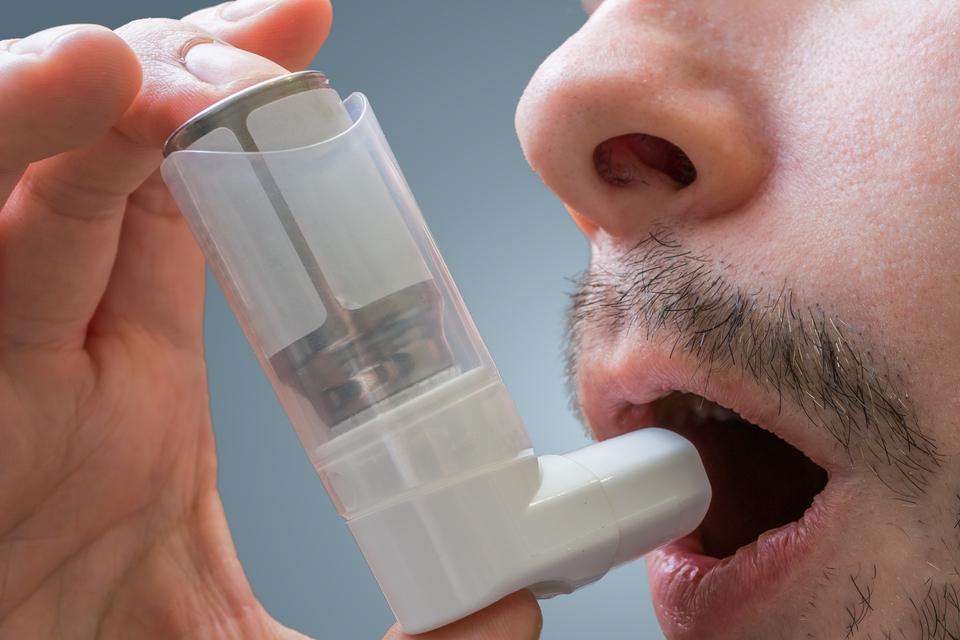
The arrival of the autumn term signals the onset of the coughs and colds season, which can be particularly challenging for individuals with asthma. It is crucial to verify that your asthma inhalers are within their expiry dates and to utilise them as prescribed. If you are using a preventer inhaler, ensure it is taken daily, while the reliever inhaler should always be on hand for symptoms.
For those with inhalers lacking a dose counter, keeping track of doses is vital to avoid running out unexpectedly. Inhalers may still contain residual medication even after the prescribed doses have been exhausted, but they will not be effective. If you use a spacer device, ensure that it is readily available as well.
Should you experience symptoms that are unmanageable with your inhaler, seeking immediate medical assistance is essential. Up-to-date guidance can be found on the NHS England – London’s #AskAboutAsthma campaign website.
Understanding Adrenaline Auto-Injectors
Adrenaline auto-injectors (AAIs) are critical medical devices for individuals at risk of anaphylaxis, potentially saving lives. If you have allergies severe enough to warrant an AAI, such as an Epipen or Jext, it is vital to be informed about their proper use. Remember the following key points:
- Familiarise yourself with the specific type of AAI you possess.
- Always adhere to the provided instructions.
- Carry two in-date AAIs at all times.
- Regularly check expiry dates and replace them promptly.
For further information about these vital products, including a safety campaign video, please consult the relevant resources available online.
Addressing Colds, Flu, and Antibiotic Use
Colds and flu are viral infections, meaning antibiotics will not provide any benefit. It is advisable to seek guidance from your local pharmacy to manage symptoms effectively. If prescribed antibiotics, ensure you complete the entire course as directed by a healthcare professional. The misuse of antibiotics, including not finishing a prescribed course, contributes significantly to the rise of Antimicrobial Resistance (AMR).
AMR is a pressing global issue that has led to the loss of over a million lives worldwide in 2021 alone. This phenomenon occurs when bacteria and microorganisms evolve to withstand the antibiotics designed to combat them, a problem exacerbated by unnecessary antibiotic use.
If you find yourself with leftover antibiotics that you have not taken, please return them to your local pharmacy for safe disposal. Do not discard them in the sink, toilet, or household waste.
For additional insights into the MHRA’s initiatives in combating AMR, further information is available through their dedicated channels.




More Stories
UK Prime Minister to Meet US President Trump on 22 September 2026: Key Discussions Ahead
UK Prime Minister to Meet European Commission President Ursula von der Leyen on 22nd September 2026
UK’s Position on Item 4 General Debate at UN Human Rights Council 63: Key Insights and Updates