
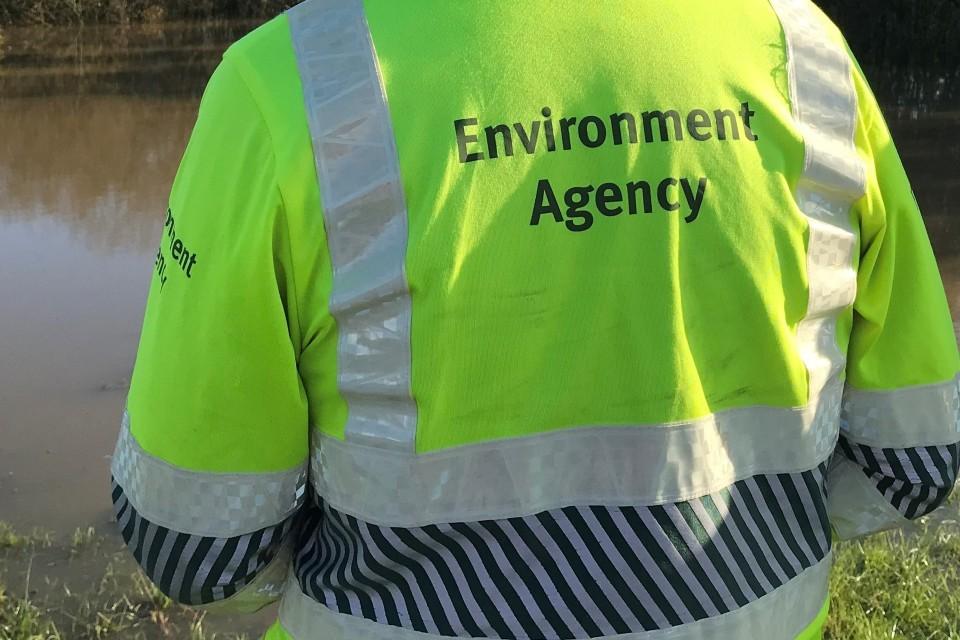
Nearly three-quarters of England is now classified as being in drought, with conditions worsening following a dry spell at the beginning of August. The National Drought Group has issued a warning that all regions are under stress regarding their water resources, leading to escalating impacts across agriculture, public water supplies, navigation, and the environment.
Regions Declared in Drought Status
The East Midlands, Lincolnshire and Northamptonshire, Kent and East Sussex, as well as Solent and the South Downs, have recently been added to the list of areas under drought status. This brings the total percentage of the country experiencing a flash drought—characterised by rapid onset due to low rainfall and elevated temperatures—to 71.3%, affecting approximately 45 million residents. Currently, over 27 million people are subject to restrictions on water usage.
Meanwhile, the North East and Yorkshire have been identified as experiencing prolonged dry weather, the stage preceding a full drought, with no areas currently classified under normal conditions.
These developments follow the driest July recorded in 190 years, which saw only 5% of the expected rainfall for August so far. Forecasters are predicting continued dry weather, with another heatwave expected, potentially pushing temperatures into the mid-30s in certain regions.
Government and Agency Responses
Tony Grayling, Strategic Drought Lead at the Environment Agency and Chair of the National Drought Group, stated that the ongoing drought conditions are likely to continue until significant and sustained rainfall occurs. He emphasised the adverse effects on farming and the potential for lasting harm to the environment. Grayling urged everyone to conserve water to ensure that reserves last, noting that every saved drop benefits local farmers, wildlife, and rivers.
Water Minister Emma Hardy has mandated water companies to take more robust action to reduce leaks, which tend to increase as pipes shift in dry soil conditions. Simple measures to conserve water, such as turning off taps while brushing teeth or repairing leaking toilets, can collectively have a significant impact on preserving dwindling supplies until the next period of consistent rainfall.
Impact on Agriculture and Environment
The National Drought Group is actively engaged in enhanced incident response, increased monitoring, and improved public communication regarding ongoing drought conditions. The Government is also intensifying its response and exploring additional support for the agricultural sector.
Hardy acknowledged the challenges faced by farmers this summer as they grapple with the dual pressures of climate change and extreme weather events. She confirmed that support measures are being enhanced, including facilitating the construction of on-site irrigation reservoirs for farmers and implementing long-term changes in the water industry to mitigate leaks and establish new reservoirs and water transfer schemes.
As river levels decline, water temperatures are rising, leading to a rise in incidents of fish rescues. The prolonged hot and dry climate has increased the likelihood of wildfires, while important ecosystems like wetlands and peatlands are drying out. Currently, only 14% of river flows are considered normal, with 22% classified as exceptionally low, including significant rivers such as the Avon, Wye, Ely Ouse, and Exe.
Concerns for Wildlife and Future Water Security
Wildlife is also under threat, particularly species such as breeding birds, amphibians, and the white-clawed crayfish, which are struggling to recover after previous droughts. Reports indicate that river temperatures have reached alarming levels, with readings of 28°C on the River Misbourne and 27°C on both the Hampshire Avon and the River Trent, which are approximately 2°C higher than expected.
The Environment Agency has documented 134 incidents related to drought this year, approaching levels seen during previous droughts in 2022 and 2025. Navigation closures and restrictions are also being implemented across the Canal & River Trust’s network due to water shortages, with more anticipated if rain does not materialise in the coming weeks.
Eight water companies have introduced Temporary Use Bans (TUBs), affecting over 27 million customers, with Southern Water applying for Drought Orders to maintain abstraction rates and enforce non-essential use bans during low flows.
Calls for Immediate Action and Future Planning
Paul Tompkins, Deputy President of the NFU, expressed concern over the lack of meaningful rainfall forecasted in the near future, stressing that farmers are already experiencing the earliest harvests in decades with lower yields. Livestock farmers are beginning to utilise winter forage supplies earlier than usual, anticipating a decline in milk production due to insufficient grass growth. He called for a risk register for vulnerable businesses and a more responsive abstraction licensing system to alleviate pressures on farmers.
Mark Owen, Head of Fisheries at the Angling Trust, highlighted the severe stress on fish populations due to rising water temperatures and low oxygen levels, urging anglers to report distress signals from fish to the Environment Agency promptly. Increased frequency of droughts and the rise in water temperatures are creating substantial challenges for the survival of fish and other aquatic wildlife.
Weather Forecast and Ongoing Conditions
This year, England has experienced 34 days where temperatures reached 30°C or higher, including a streak of 13 consecutive days in July. Although temperatures dropped slightly last week, a high-pressure system suggests a likelihood of further hot and dry weather in August, with another heatwave on the horizon.
Sarah Davies, Head of Environment and Energy at the Met Office, described July 2026 as a remarkable month in the UK’s climate history, noting it as the driest and sunniest July on record. Looking ahead, forecasts suggest continued dry conditions mixed with occasional unsettled weather, but no strong signals for a sustained period of widespread rainfall.
Strategies for Water Conservation
Water companies have reported that Temporary Use Bans have led to a reduction in public water demand by up to 9% in certain areas. While hosepipe usage is restricted, watering cans and buckets remain permissible. Individuals with disabilities or health issues residing in TUB areas are encouraged to contact their local water companies for assistance regarding their circumstances.
The National Drought Group promotes the Let’s Save Water campaign, which advocates for increased on-farm irrigation reservoirs and the ease of construction for these facilities. The Environment Agency has already conducted numerous fish rescues and is implementing measures to release water from strategic reservoirs to maintain necessary flows for navigation and environmental protection.
With a pressing need for sustainable water management, individuals are reminded to be proactive in conserving water through various simple measures, including shorter showers and fixing leaks. With the demand for water expected to escalate in the coming years, coordinated efforts from water companies, governments, and the public will be crucial for ensuring water security in England.



More Stories
Exciting Opportunity: Join the MOJ LawtechUK Advisory Board and Become an Ambassador!
Taoiseach of Ireland Makes History as First International Leader to Visit No10 North
Military Families Empowered by New Housing Reforms: Enhanced Control Over Their Homes