
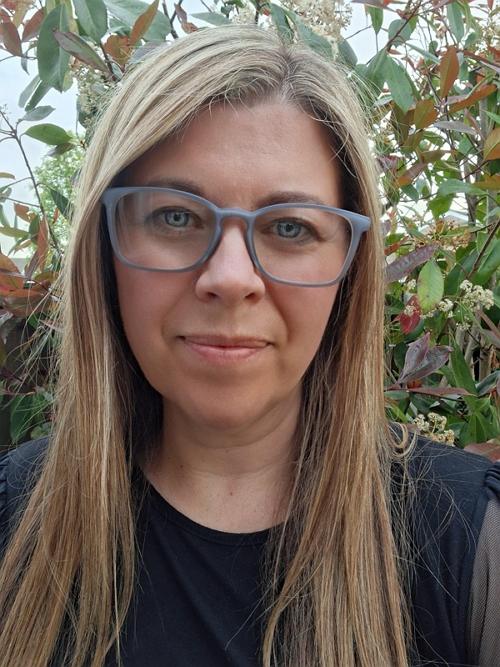
A mind & body approach to counselling, with online sessions and Walk and Talk Therapy
There are times when everyday life can begin to feel more difficult to manage. Anxiety, changes in relationships, bereavement, hormonal shifts or major life transitions can all affect the way a person sees themselves and the world around them. For some, the first step towards making sense of those experiences is simply having the opportunity to speak openly and feel genuinely heard.
Lynsey Rous Counselling offers a space for clients to explore those experiences without pressure to arrive with all the answers. Based around the Biggin Hill and Bromley area, the practice provides counselling alongside the option of online sessions and Walk and Talk Therapy.
Lynsey Rous is an accredited member of the National Counselling and Psychotherapy Society (MNCPS Acc.) and works with adults experiencing a range of emotional and personal difficulties. Her areas of focus include women’s issues, ADHD and significant life transitions, as well as anxiety, stress, bereavement, relationship difficulties, self-esteem and the emotional impact of menopause and perimenopause.
Counselling shaped around the individual
A central part of Lynsey Rous’s approach is recognising that people do not always arrive at counselling knowing exactly what they need.
Someone may simply know that their usual way of coping no longer seems to work. They may feel anxious or overwhelmed, unheard within their relationships, unsure of their identity or unable to understand why certain thoughts and feelings have become so difficult to manage.
Counselling provides an opportunity to explore these experiences rather than immediately trying to find a simple solution. Sessions are adapted to the needs of the person on the day, allowing the therapeutic process to develop around what feels most important at that particular time.
Her work takes a whole person approach, drawing on somatic methods and giving attention not only to thoughts and emotions but also to the way difficult experiences can be felt physically. Psychoeducation can also form part of the work, helping clients explore some of the reasons they may respond in particular ways to relationships, situations and their environment.
Supporting women through change
Women’s emotional wellbeing is an important area within Lynsey Rous Counselling.
Life transitions can bring significant changes in identity, relationships and emotional resilience. Hormonal changes associated with perimenopause and menopause can also have a considerable effect on mental wellbeing, sometimes contributing to anxiety, reduced tolerance, physical symptoms and a feeling that previously effective coping strategies are no longer enough.
Lynsey has written publicly about the impact hormones can have on mental health and the importance of giving women an opportunity to speak openly about these experiences.
Rather than treating hormonal changes as something separate from emotional wellbeing, her approach allows them to form part of the wider counselling conversation where relevant. This can give clients space to understand what is happening and consider the effect it is having on their day-to-day lives, relationships and sense of self.
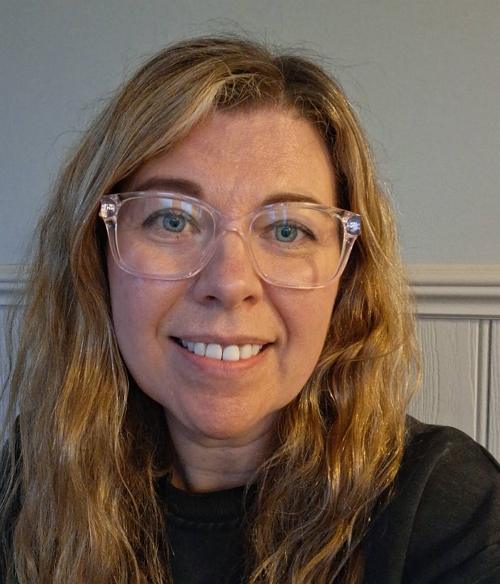
An inclusive approach to neurodivergence
Lynsey Rous Counselling also supports women who identify as neurodivergent, including those with ADHD, autism or AuDHD. This includes clients with a formal diagnosis as well as those who self-identify as neurodivergent.
Experiences such as masking and being identified as neurodivergent later in life can be explored within counselling. Attention is also given to sensory needs and the way unfamiliar surroundings or particular environments can contribute to feelings of overwhelm.
The aim is to create a therapeutic relationship in which individual needs can be recognised rather than expecting every client to respond to the same environment or style of counselling.
Taking counselling outdoors
For people who find sitting face-to-face in a traditional counselling room uncomfortable, Walk and Talk Therapy, sometimes described as ecotherapy, provides another option.
Instead of remaining seated throughout a session, therapist and client walk alongside one another outdoors while talking. Walking side by side can feel less intense for some people and may reduce the self-consciousness associated with a conventional face-to-face conversation.
The rhythm and physical movement of walking can also provide a different setting in which to process thoughts and emotions. It is an approach that brings together conversation, movement and the outdoor environment while maintaining the purpose of the counselling session.
It will not necessarily suit everyone, but offering it alongside more conventional sessions gives clients another way of engaging with therapy according to their own preferences.
A place for conversations that can be difficult elsewhere
People seek counselling for many different reasons. Sometimes there has been a recognisable event such as a bereavement, relationship difficulty or major change. On other occasions, the reason is harder to identify: a persistent sense of anxiety, feeling stuck, becoming overwhelmed by everyday responsibilities or questioning what they want from the next stage of their life.
Lynsey Rous Counselling places particular importance on allowing clients the time and space to talk about those experiences without being interrupted or expected to have an immediate solution.
Whether sessions take place in person, online or while walking outdoors, the emphasis remains on understanding the individual and what they are experiencing. For people who have become accustomed to putting their own needs to one side, having a regular space in which those needs can be explored may itself be an important part of the therapeutic process.
Address:: Grand View Ave, Biggin Hill, Westerham TN16 3XB

More Stories
Exploring Europe’s ‘Best Toddler-Friendly City’: A Parent’s Experience with a Two-Year-Old
Restoration at Buckingham Palace Reveals Hidden Treasures: Staff Betting Slips and More Uncovered
Life Coaches in London: Personal Growth, Wellbeing and Professional Development