
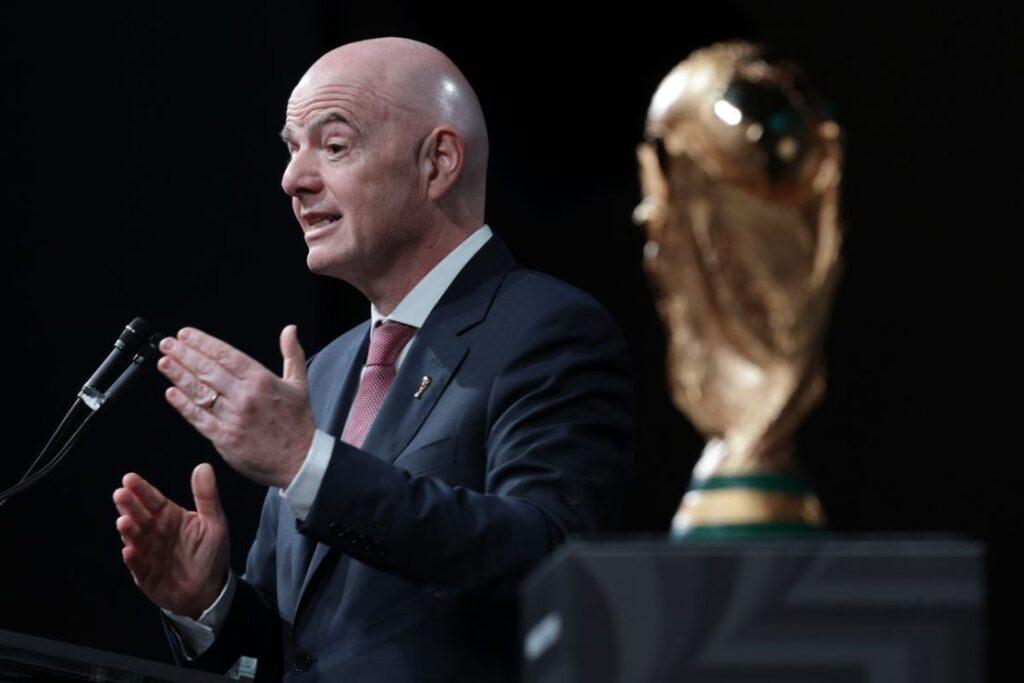
FIFA’s recent initiative to sell a minority stake in the World Cup has sparked considerable debate, yet it holds the potential to fundamentally enhance the transparency and accountability of international football. This strategic move aims not only to generate substantial revenue for the sport but also to foster its development on a global scale.
Enhancing Financial Transparency in Football
The proposal to offer a minority stake in the World Cup is a transformative step that could usher in a new era of financial transparency within FIFA. By enabling external investment, the governing body can demonstrate a commitment to openness, allowing stakeholders and fans alike to gain better insights into the financial workings of the organisation. This initiative could significantly improve trust among various parties involved in the sport, from players to sponsors and fans.
Furthermore, the influx of capital from such investments can be directed towards grassroots programmes and the development of football in underrepresented regions. This aligns with FIFA’s broader mission to promote the sport globally, ensuring that its benefits reach far beyond the elite levels of competition.
Generating Revenue for Development
The financial implications of selling a minority stake are substantial. The revenue generated could be channelled into various initiatives aimed at nurturing talent and expanding access to the sport. From youth academies to community outreach programmes, the possibilities are extensive. This could lead to a more diverse pool of players emerging from different backgrounds, ultimately enriching the quality of football worldwide.
Additionally, the funds raised could support infrastructure improvements in developing nations, where access to proper facilities and training resources is often limited. By investing in these areas, FIFA has the opportunity to create a lasting legacy that not only enhances the sport but also promotes social inclusion and community development.
Addressing Concerns and Fostering Growth
While the proposal may face criticism and concerns regarding the potential commodification of the World Cup, it is essential to recognise the positive implications it could have for the sport. By embracing external investment, FIFA can position itself as a forward-thinking organisation that prioritises the growth and sustainability of football.
Critics argue that such financial maneuvers could undermine the integrity of the tournament; however, with proper governance structures in place, the risks can be mitigated. Transparent management and accountability mechanisms will be crucial to ensuring that the core values of the World Cup are preserved while embracing this new approach to funding.
Looking Ahead: The Future of Football Funding
As FIFA moves forward with its plans, the focus should remain on the bigger picture: the future of football. The potential to raise significant funds through a minority stake in the World Cup is not merely a financial strategy; it is a catalyst for positive change within the sport. By prioritising transparency and accountability, FIFA can lead by example, setting a precedent for other sports organisations worldwide.
Ultimately, the success of this initiative will depend on the willingness of FIFA to engage with its stakeholders and ensure that the benefits of such investments are felt across the footballing community. If executed thoughtfully, this could mark a pivotal moment in the history of international football, paving the way for a more inclusive and prosperous future.




More Stories
London Property Listings Plummet to Lowest Levels Since 2023
Healey Urged to Reduce Employment Taxes and Energy Costs to Stimulate Business Growth
Retailers on High Alert Amidst Surge in Cyber Attacks