
Prolonged dry weather conditions have been declared in Bristol, Somerset, Dorset, Wiltshire, and parts of South Gloucestershire and Hampshire. This situation falls under the jurisdiction of the Environment Agency’s Wessex operational area, which is also witnessing similar dry spells in neighbouring areas of Gloucestershire and Hampshire.
Concerns Over Environmental Impact
Officers from the Environment Agency anticipate an increase in environmental incidents this summer. The ongoing low river flows, elevated water temperatures, and a reduction in oxygen levels are posing significant challenges for aquatic life. These conditions are exacerbated by the proliferation of weeds and algal blooms, which thrive in warm, stagnant waters.
Groundwater levels are beginning to dip below normal, with forecasts indicating a continuation of largely dry weather, although some showers may be expected later this month. Matt Akers, the Environment Agency’s environment planning and engagement manager, has highlighted the stark contrast in rainfall over recent weeks. June recorded 132% of its average rainfall, while this month has seen less than 1% thus far.
“We are observing low river flows in areas such as the Hampshire Avon, with water temperatures reaching 24°C, which is almost tropical,” Akers noted. “The Environment Agency is closely monitoring the situation and is prepared to respond to any incidents that arise from these challenging conditions.”
Efforts to Protect Aquatic Life
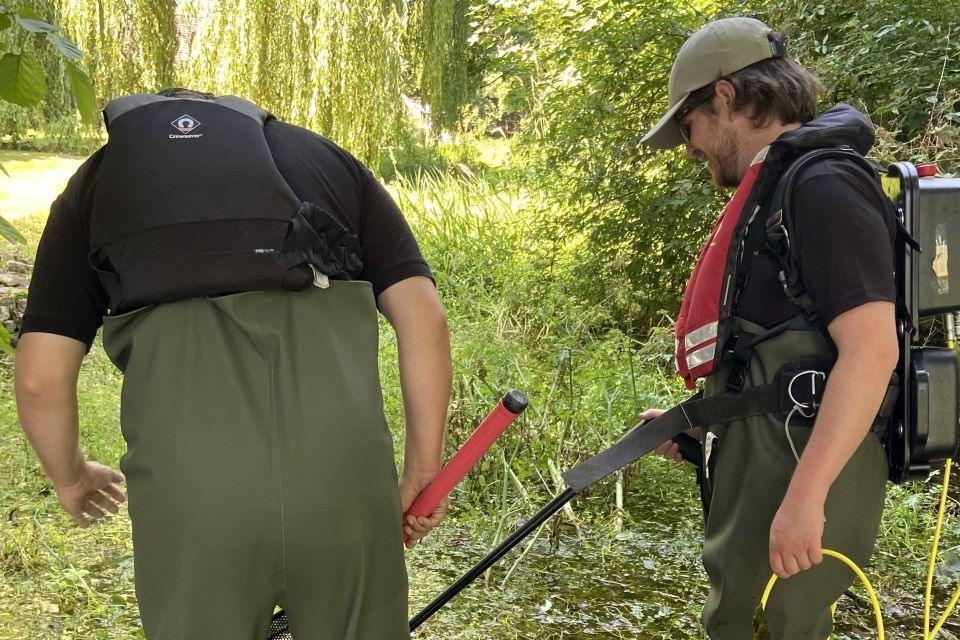
In light of these prolonged dry conditions, the Environment Agency has been proactive in addressing the distress of fish populations. Recently, they assisted in relocating hundreds of fish from the River Tarrant in Dorset to safer habitats. Plans for weed cutting and vegetation management are also in place to mitigate the adverse effects of low water levels.
Despite a wet start to 2026, the West Country has seen below-average rainfall from March to May. Although June provided some respite with above-average precipitation, 82% of that rain fell during the first ten days, making the distribution uneven across the region.
Collaborative Monitoring and Public Awareness
The National Drought Group, a consortium that includes the Met Office, government bodies, regulators, water companies, the National Farmers’ Union, Canal & River Trust, anglers, and conservationists, is actively monitoring the evolving situation. They emphasise the importance of water conservation, urging the public to partake in efforts to reduce water usage through practical measures.
The campaign “Let’s Save Water” encourages individuals to adopt simple habits, such as reducing shower times, repairing household leaks, opting for buckets instead of hosepipes, and utilising eco modes on appliances.
Rainfall Statistics and Future Outlook
For the Environment Agency’s Wessex operational area, the monthly rainfall statistics and their long-term averages for 2026 are as follows:
- January: 190mm (200%)
- February: 144mm (210%)
- March: 34mm (54%)
- April: 19mm (32%)
- May: 38mm (64%)
- June: 79mm (132%)
For those seeking further insights into drought conditions, resources are available detailing the definition of drought and ongoing management strategies. Additionally, updates on the current situation can be found in the Environment Agency’s summary reports on dry weather and drought in England.
For more information on the response to the ongoing heatwave, a press release has been issued by the National Drought Group outlining their intensified efforts.



More Stories
MHRA Seeks Feedback on New Proposals for Schools to Stock Spare Adrenaline Nasal Sprays
£140 Million Investment in Urgent Care to Alleviate NHS Winter Pressures
AAIB Dispatches Investigation Team to Stirling Following Incident