
Work is set to commence in early September to remove the masts from the SS Richard Montgomery, a notable wartime shipwreck, as confirmed by government officials on 14 July 2026. This operation marks a significant step in the ongoing management of the historic wreck, which rests in the Thames Estuary.
Meticulous Planning for Safe Operations
The project will involve the construction of an underwater platform, enabling specialist maritime engineers to dismantle the three masts over several weeks. Given that the wreckage contains approximately 1,400 tonnes of wartime explosives, the operation has been meticulously designed to adhere to stringent safety and engineering standards.
Once the masts are removed, they will be transported to The Historic Dockyard Chatham, where dedicated restoration facilities will ensure their preservation. Following this, the masts will be exhibited locally, providing opportunities for residents and visitors to engage with Kent’s rich maritime heritage and potentially boosting regional tourism.
This initiative aims to safeguard an important chapter of Anglo-American maritime history, narrating the infamous tale of the American Liberty ship that ran aground in the Thames Estuary in 1944 while transporting munitions to support the Allied War effort.
Government Support and Community Safety
The project is backed by £9.5 million in government funding, with on-site preparations scheduled to begin later this month to mitigate any risks in advance of the extensive engineering work. The shipwreck, located 1.5 miles off Sheerness and encircled by an exclusion zone, has been under continuous monitoring and rigorous technical assessment since its sinking.
Expert consultations have confirmed that the planned removal can proceed without heightening the risk posed by the explosives still aboard. The operation is slated to begin in September, with ongoing assessments to ensure community safety and environmental protection.
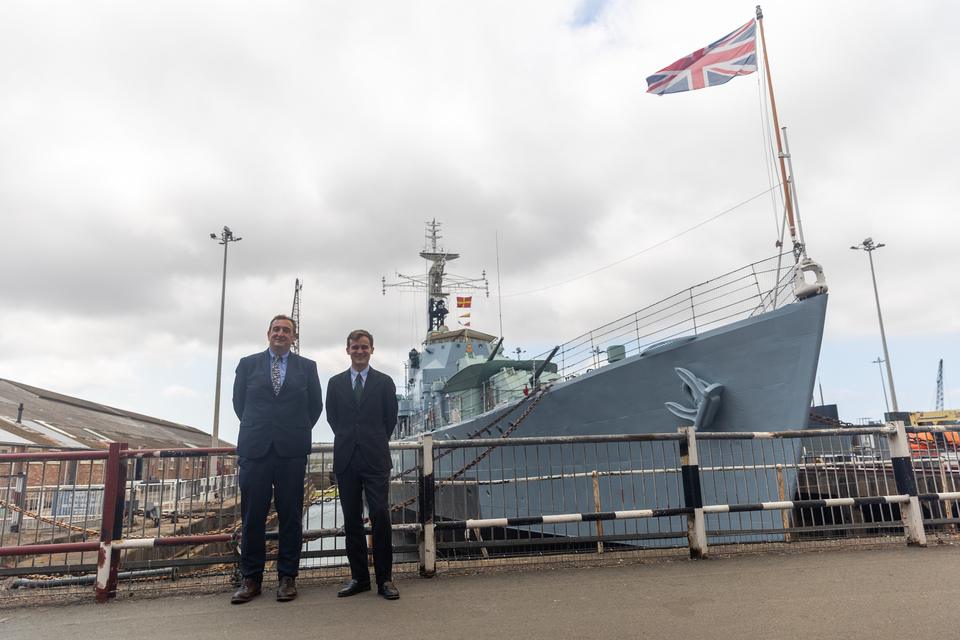
Keir Mather, the Aviation, Maritime and Decarbonisation Minister, visited both Sheerness and Chatham to observe the preparations and discuss the potential benefits for local tourism. He emphasised that the safety and preservation of the masts are paramount, underscoring that the project has been informed by years of expert analysis, ensuring the wreck is managed safely.
Collaboration with Experts and Local Authorities
The operation will be executed by the marine contractors Resolve, who will work under strict safety protocols and continuous oversight. Comprehensive planning has involved local emergency services, harbour authorities, and other partners, aiming to minimise disruption and guarantee safe execution of the work.
The exclusion zone surrounding the wreck will remain in place following the removal of the masts, with the entire operation expected to conclude by the end of September. As with all significant engineering endeavours, the timeline may be adjusted due to weather-related delays.
The government acknowledges the masts’ importance to local communities around the Thames and Medway estuaries, particularly those in the Isle of Sheppey and Southend, where they are regarded as integral to the area’s shared maritime heritage. Plans are in motion to ensure the masts remain accessible to the public for future generations.
Long-Term Preservation and Educational Opportunities
Discussions concerning the long-term placement of the masts are ongoing, focusing on their safe preservation and protection, while honouring their connection to the significant history of these vital waterways. Nolan Conway, Project Manager at Resolve Marine, expressed enthusiasm for being part of this historic initiative, emphasising their commitment to executing the project safely and efficiently.
Paul Barnard, Deputy CEO of Chatham Historical Dockyard Trust, remarked on the masts’ significance as a landmark for generations of local residents, noting their importance as an international reminder of the Allied war effort during the Second World War. He conveyed the Trust’s honour in being entrusted with the conservation of these remarkable structures, pledging to uphold the highest standards in their care.
The masts will be integrated into an active conservation project at The Historic Dockyard Chatham, offering visitors a unique opportunity to witness conservation efforts in real-time while learning about the extraordinary history of the SS Richard Montgomery.
Robin Rickard, Managing Director of Exord Ltd and Strategic Explosive Ordnance Advisor, stated that Exord has been advising the Department for Transport over the past year on the masts’ removal. Through thorough technical assessments and risk analyses, they have aided in developing a safe approach to the undertaking, ensuring that industry best practices are adhered to throughout the operation.
The removal of the masts is seen as a crucial milestone in the long-term management of the wreck, with ongoing specialist support provided to adequately manage the risks associated with explosive ordnance and ensure the safe execution of the project.
For further media inquiries regarding aviation, maritime, and technology, please contact the relevant department.




More Stories
AAIB Dispatches Investigation Team to Stirling Following Incident
Ofsted Launches Pilot Scheme for New Independent Complaints Review Service
CMA Initiates Action to Enhance Choice in Business Software Solutions