
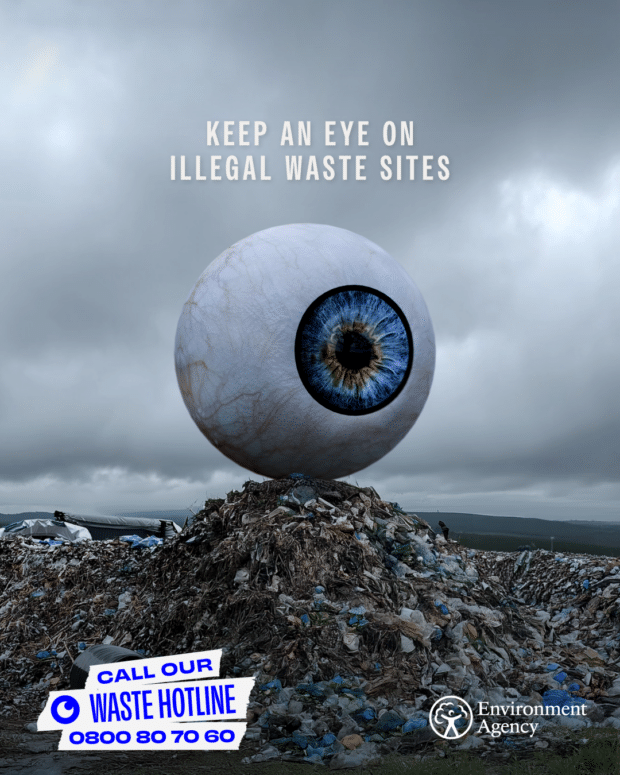
Understanding Waste Crime in Your Community
You may have noticed unusual activities in your locality, such as a lorry arriving at odd hours, a previously empty site suddenly full, or unpleasant odours and smoke lingering excessively. Your familiarity with your community gives you the ability to recognise when something is amiss. Trust your instincts; they are valuable.
Today marks the launch of the Eyes on Waste Crime initiative, which encourages the residents of Kent to report any suspicious activities they observe. Waste crime is not merely a minor issue; it is a form of organised crime that flourishes when left unchallenged.
The Importance of Reporting
Waste crime manifests in various forms, from illegal dumping along quiet roads to gangs stockpiling vast quantities of waste in warehouses. Regardless of the scale, such activities adversely affect local communities, agricultural lands, and legitimate businesses striving to operate ethically. This crime costs the economy more than £1 billion annually, a figure that fails to encompass the unpleasant smells, visual blight, and the fear that discourages neighbours from making a report.
In Kent, we are aware that waste crime is prevalent, and we recognise that many residents have witnessed it without taking action. This hesitation can stem from uncertainty about whom to contact, a belief that reporting will not lead to change, or concerns about anonymity. Our aim is to address these issues.
Your Anonymity Matters
You do not need to provide proof or disclose your identity when reporting suspected waste crime. If you observe anything unusual—such as lorries operating at strange hours, accumulating waste, or signs of pollution—trust your instincts and reach out to us. Your identity will remain confidential.
Taking Action on Reports
We take all reports seriously. Previous reports have led to the closure of illegal sites, the suspension or revocation of permits, and successful prosecutions. Each report contributes to a larger understanding of the issue. Every piece of information is significant.
How to Report Suspicious Activity
If you witness illegal dumping, dubious waste movements, or burning, encounter an unlicensed operator, or receive an offer for waste disposal that seems suspiciously cheap, please report it. You can contact our waste hotline at any time.
Proper Waste Disposal Guidelines
Most individuals wish to dispose of their waste responsibly. Here are some guidelines to ensure you do so without inadvertently supporting criminal activity.
Before hiring anyone to remove your waste, verify their credentials against the Environment Agency’s public register of waste carriers. If they are not listed, they are operating unlawfully, and you may be held accountable if your waste is later found dumped illegally. Always inquire about the destination of your waste and maintain a written record.
If you own land, conduct regular inspections, even if it appears vacant. Consider securing the area with barriers or concrete blocks and think about installing CCTV. You could be liable for waste dumped on your property, even if you did not place it there.
Local Council Resources
For everyday household waste and recycling, your local council should be your primary resource, including services for bulky waste collection and information on nearby recycling centres.
The Importance of Reporting
Remain vigilant regarding waste crime. If you notice any suspicious activity, please report it. Each report strengthens our efforts to protect your community, environment, and the legitimate businesses committed to proper waste management.
With your assistance, we can combat waste crime and safeguard homes and habitats for future generations.



More Stories
Discover How Your Late-Night Snacks Can Improve Your Sleep Quality
7 Simple Daily Habits to Boost Your Lung Health
Understanding Women’s Weight and Metabolism: The Impact of Hormones on Health