
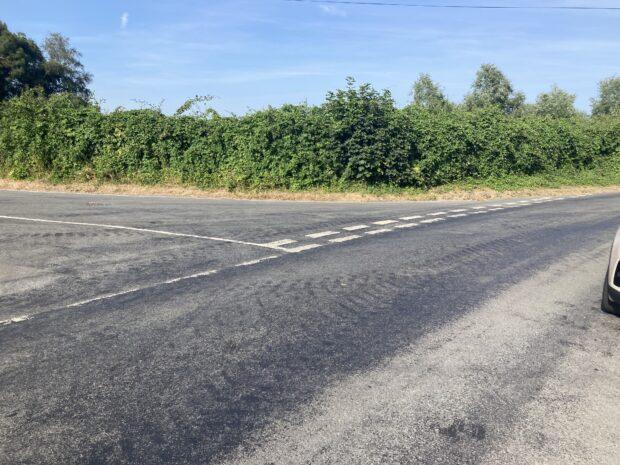
Road runoff can transport a variety of particles and chemicals into our water systems. Some of these substances are known to pose risks to wildlife, while the implications of others remain less clear. Recent research conducted by the Environment Agency is contributing to a more comprehensive understanding of this issue, enabling us to prioritise the actions necessary to manage and enhance water quality effectively.
Understanding Runoff
During rainfall, water flows off roads, roofs, and other impermeable surfaces, carrying a blend of contaminants with it. This includes particles and chemicals that accumulate on urban surfaces from diverse sources, including vehicles, the road materials themselves, and atmospheric deposition. These contaminants can be washed into adjacent water bodies, where they may impact water quality and aquatic ecosystems, depending on the nature and concentration of the substances involved.
Surface runoff is a commonplace occurrence; however, its significance as an environmental concern is worthy of examination.
Insights from Environment Agency Research
The Environment Agency is dedicated to elucidating the effects of road runoff on our rivers and lakes. Recent reviews conducted by our scientists have examined hundreds of scientific studies related to road runoff, encompassing research on pollution modelling and the effectiveness of various treatment methods. Additionally, we have evaluated how road pollution might evolve in response to climate change and the shift towards electric vehicles.
Highway and urban runoff is a multifaceted issue, comprising a variety of pollutants. This includes well-documented substances like metals and oil derivatives, as well as emerging concerns such as microplastics, chemicals used in tyre production, and persistent substances like PFAS, commonly referred to as ‘forever chemicals’.
There is increasing scientific interest in how these substances interact once they enter aquatic ecosystems. For instance, studies in the United States have associated a chemical found in tyres with the mortality of Pacific coho salmon when it is washed into waterways during rainfall. Although there is no evidence of similar effects occurring in England, such studies underscore the importance of understanding the composition of runoff and its potential impact on wildlife under various conditions.
This understanding is critical because pollutants do not enter the environment in isolation; they arrive in conjunction with one another, and their cumulative effects on wildlife are not yet fully understood. Our review of evidence indicates that the scale and type of pollution can vary significantly based on factors such as traffic volume, land use, infrastructure, and weather conditions. Urban areas are likely to be significant sources of pollution in runoff due to the prevalence of hard surfaces and specific driving behaviours.
While this research highlights some notable gaps in our knowledge, it establishes a more robust foundation for future investigations, enhances our risk assessment processes, and enables us to provide more informed guidance to those responsible for managing roads and drainage systems.
Understanding Vehicle Tyre Wear Pollution
Tyre wear contributes to this broader environmental issue. As vehicles operate, the friction between tyres and road surfaces generates very fine particles, known as tyre wear particles. These particles significantly contribute to microplastics in the environment and may contain a range of chemicals utilised in tyre manufacturing.
To deepen our understanding of this matter, our scientists have developed a model to estimate the release of tyre wear particles and their associated chemicals into the environment at both local and national levels. This model can be adjusted to reflect varying assumptions about traffic volume, environmental conditions, and geographical locations. It serves as a crucial starting point for the Environment Agency and its partners.
This modelling approach is advantageous as it identifies regions where pollutant release is likely to be elevated, allowing efforts to be concentrated where they can achieve the most significant benefits. By making this approach accessible, we can assist others in implementing more informed and targeted actions, providing a means to begin addressing an issue that would otherwise be challenging to quantify.
Strategies for Tackling Road Runoff Pollution
Enhancing our understanding of road runoff underpins practical measures aimed at mitigating its effects.
We are collaborating with National Highways to address pollution emanating from motorways and major A roads across England by identifying locations where improvements are most urgently required. New or upgraded water treatment systems, alongside nature-based solutions, are being designed to capture sediment and diminish the volume of pollution entering rivers.
Furthermore, we are partnering with Loughborough University and other institutions to gain insights into the impacts of tyre wear particles on human health and the environment, as well as to engineer solutions to mitigate this issue.
The Path Forward
Addressing pollution from roads presents a complex challenge that necessitates a combination of enhanced evidence, targeted investment, and ongoing collaboration among organisations responsible for roads, water, and environmental management.




More Stories
7 Simple Daily Habits to Boost Your Lung Health
Understanding Women’s Weight and Metabolism: The Impact of Hormones on Health
The Best Time to Begin HRT: Discover the Advantages of Early Treatment