
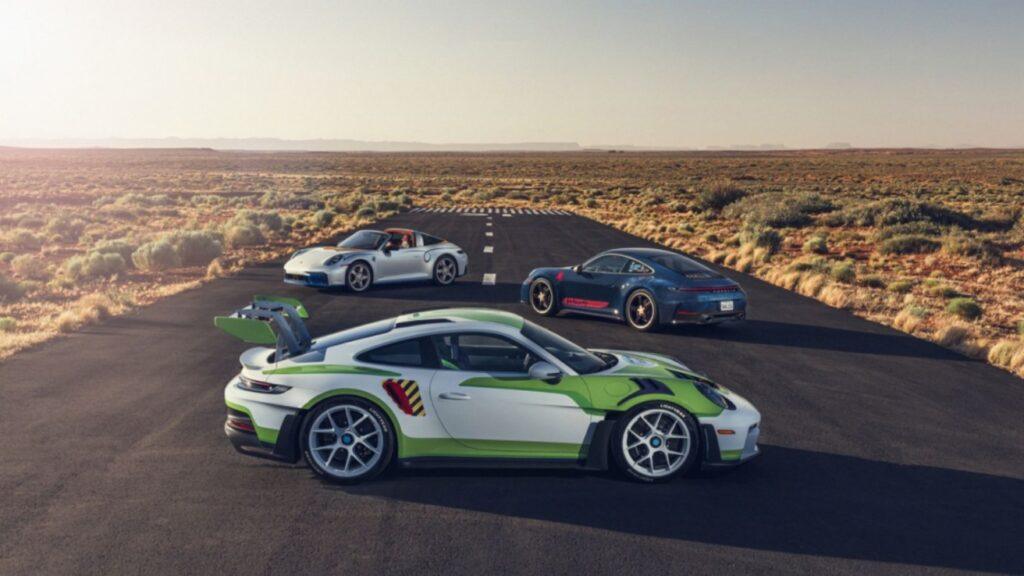
Porsche has unveiled a series of limited-edition 911 models inspired by the beloved Toy Story franchise, marking a significant shift in the luxury automotive market. This innovative approach goes beyond traditional engineering excellence, as car manufacturers increasingly weave cultural narratives and storytelling into their branding strategies to engage a new generation of consumers.
Embracing Pop Culture in Automotive Design
The new 911s are a testament to how luxury brands now leverage popular culture to resonate with younger audiences. By drawing inspiration from Toy Story, a film cherished by many, Porsche is fostering a deeper emotional connection with potential buyers. This strategy is reflective of a broader trend wherein automakers are recognising the importance of not just selling vehicles, but also the lifestyle and values that come with them.
Through this collaboration, Porsche is tapping into the nostalgia of adult fans while simultaneously appealing to younger buyers who appreciate the intersection of high-end automotive design and beloved characters. The limited-edition models showcase vibrant colours and unique design elements reminiscent of the film, ensuring they stand out in an increasingly competitive market.
Storytelling as a Marketing Tool
In today’s digital landscape, storytelling has emerged as a powerful marketing tool. Brands are no longer solely focused on the technical specifications of their vehicles; they are crafting narratives that encapsulate the essence of their identity and values. By aligning themselves with iconic cultural references, luxury carmakers can offer more than just a mode of transport—they provide an experience that resonates on a personal level.
This shift in marketing strategy reflects a changing consumer base that values authenticity and connection. For luxury brands like Porsche, engaging with consumers through storytelling not only enhances brand loyalty but also positions them as part of a lifestyle that buyers aspire to. The Toy Story-inspired 911s are a prime example of how emotional resonance can drive sales in a market that is increasingly saturated with options.
Attracting the Next Generation of Buyers
As the automotive industry evolves, attracting younger customers is paramount for the survival of luxury brands. These consumers are more inclined to support companies that exhibit social consciousness and cultural relevance. By incorporating elements from popular culture, Porsche is not only appealing to nostalgia but also showcasing its agility in adapting to contemporary trends.
The Toy Story 911s serve as a bridge between generations, allowing Porsche to engage with a demographic that values creativity and fun. This strategy not only enhances the brand’s visibility among younger consumers but also fosters a sense of community among fans, further solidifying Porsche’s position in the luxury automotive sector.
Future Implications for Luxury Brands
The successful integration of cultural storytelling into luxury car marketing has far-reaching implications for the industry. As consumer preferences continue to shift towards experiences and emotional connections, other brands may follow suit, adopting similar strategies to stay relevant. The collaboration between Porsche and Toy Story exemplifies a growing trend where luxury vehicles are not merely mechanical marvels but symbols of cultural engagement.
In conclusion, Porsche’s latest initiative highlights the necessity for luxury carmakers to innovate beyond engineering prowess. By intertwining culture and storytelling with their products, they can effectively capture the interest of the next generation of buyers, ensuring their relevance in a rapidly changing market.




More Stories
Pension Savers Reclaim £188 Million After HMRC Overtaxes Withdrawals: A Shocking Oversight
How UK Tax Regulations Influenced the Recent Transfer Window
Revolutionary Inheritance Tax Changes Set to Transform Pension Utilisation in the UK