
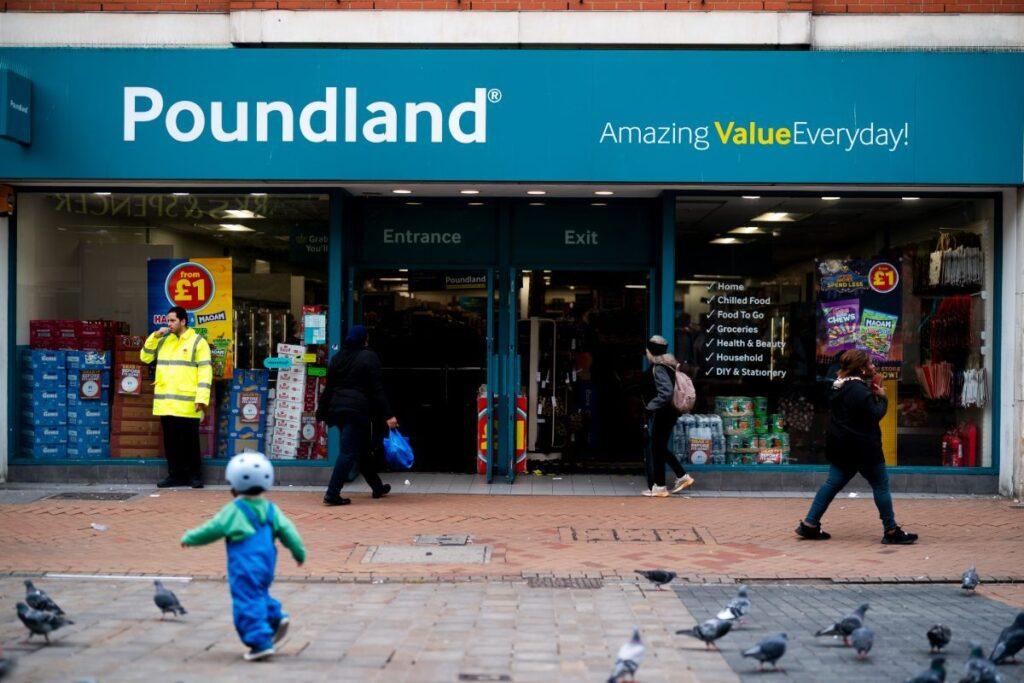
Poundland is reportedly set to achieve an impressive profit of £18 million, even as its owner actively seeks a sale and expresses concerns about the retailer’s vulnerability. This development highlights a significant juxtaposition between the company’s financial performance and the strategic considerations of its ownership.
The discount retailer has been navigating a complex retail landscape, characterised by shifting consumer behaviours and economic pressures. Despite these challenges, Poundland’s business model appears to be resonating well with customers, enabling it to maintain a solid profit margin.
As the retail sector continues to evolve, the focus remains on how Poundland will manage its operations in the face of potential ownership changes. The ongoing discussions regarding a sale suggest that the company is at a crossroads, where strategic decisions will be crucial for its future stability and growth.
Financial Performance Amid Challenges
Achieving an £18 million profit is commendable, particularly in a market where many retailers are struggling. Poundland’s ability to generate such profits indicates that it has effectively adapted its offerings to meet consumer demands, particularly in the current economic climate where value for money is paramount.
The discount retailer has successfully capitalised on the increasing trend towards budget shopping, attracting a diverse customer base looking for affordable options. This success in profitability contrasts sharply with the concerns raised by its owner, who has highlighted the vulnerabilities that may arise from market fluctuations and competitive pressures.
Strategic Considerations for the Future
The potential sale of Poundland raises questions about the retailer’s strategic direction moving forward. With its current owner seeking to divest, stakeholders will be keenly observing how this transition might impact the operational landscape of the business.
As the market dynamics continue to shift, the new ownership could bring additional resources and strategic insights that may further enhance Poundland’s position in the retail sector. However, it is essential for any prospective buyer to carefully evaluate the inherent vulnerabilities highlighted by the current ownership to ensure a sustainable path forward.
In conclusion, while Poundland is on track for a significant profit, the ongoing discussions regarding its ownership and the inherent challenges of the retail environment will play a critical role in shaping its future trajectory.



More Stories
Orange or CMA CGM: Potential Replacements for Altrad as France Rugby’s Shirt Sponsor
Talent Agency Secures Keir Starmer for Exclusive Speaking Engagements
RFU Considers Welsh Teams’ Entry into Premiership Rugby: What It Means for English Rugby