
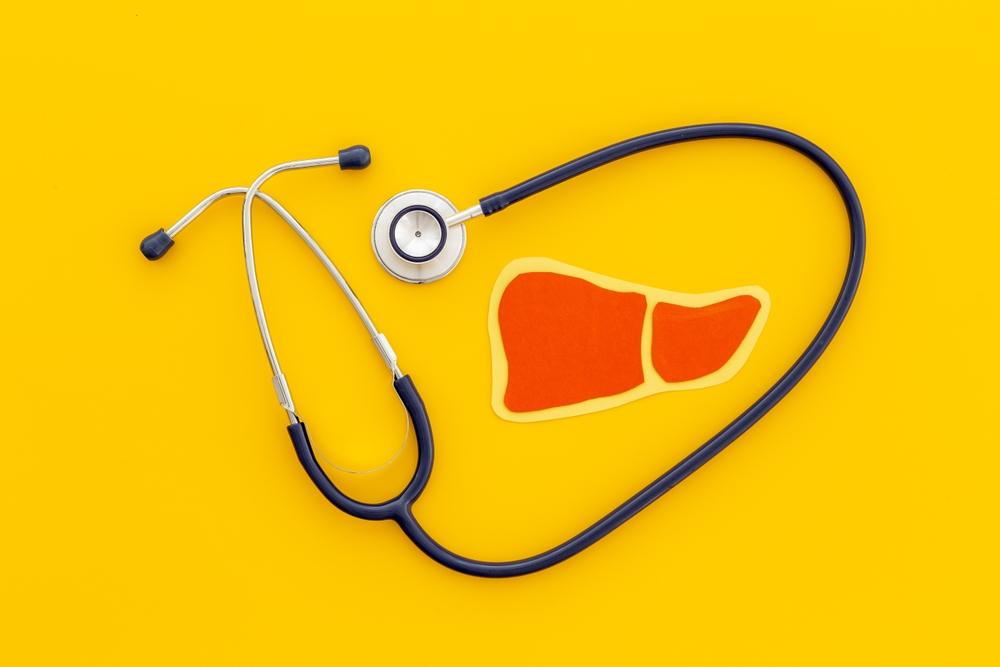
Liver cancer is currently the fastest-growing type among the 20 most prevalent cancers in England and Wales. It is crucial to be aware of the warning signs, risk factors, and strategies to mitigate your risk.
Over the last decade, liver cancer fatalities have surged by more than a quarter. In collaboration with Liver UK, efforts are being made to enhance awareness regarding liver cancer. The aim is for more individuals to recognise the symptoms and comprehend the associated risk factors, enabling them to take proactive measures early on.
Understanding the Rise in Liver Cancer Cases
Recent analysis of mortality data from the Office for National Statistics reveals that liver cancer is not only the fastest-increasing cancer in England and Wales but is also one of the most preventable. For those seeking information on symptoms and risk reduction strategies, this article provides valuable insights.
Liver cancer often develops with minimal or subtle symptoms, with many only becoming apparent once the disease has advanced. At this stage, treatment options become more restricted, and survival rates decline.
Statistics show a 42% increase in the rate of premature deaths in England from liver-related diseases between 2001 and 2023, with premature deaths due to alcohol-related liver disease rising by nearly 60% during the same timeframe.
Despite declines in mortality from other major cancers, liver cancer deaths continue to rise, which should not be regarded as an unavoidable consequence. This alarming trend serves as a crucial wake-up call.
Identifying Symptoms and Seeking Medical Attention
Hepatocellular carcinoma represents the most prevalent form of primary liver cancer in the UK. Although symptoms can be subtle, there are specific signs that necessitate prompt medical evaluation. While these symptoms may stem from various conditions, they should always be assessed by a healthcare professional.
Although not all liver cancer cases are preventable, there are proactive measures individuals can undertake to maintain liver health and potentially reduce their risk.
Excessive alcohol consumption places significant strain on the liver, resulting in inflammation, scarring, and potentially leading to conditions like cirrhosis over time. Reducing alcohol intake or abstaining altogether can considerably diminish these risks. It is advisable to designate alcohol-free days each week.
For those with diabetes, effective management is essential to minimise the risk of developing liver complications, particularly fatty liver disease. Regular monitoring of liver function is vital, as it allows healthcare professionals to detect any changes early and adjust treatment as necessary. Early intervention can prevent complications and promote long-term health.
Elevating Awareness and Preventative Measures
Awareness of liver disease-related risks is crucial, and there are opportunities to make a significant impact on prevention efforts. Stronger action is needed to identify individuals at increased risk and to ensure they receive regular monitoring.
Individuals at a heightened risk of liver cancer should also consider getting tested for hepatitis C, particularly if they belong to groups with a higher likelihood of infection.
Most fatalities from liver cancer occur in individuals aged 75 and above, with men exhibiting higher rates of both incidence and mortality compared to women.
Additional risk factors include underlying liver diseases such as cirrhosis or fatty liver disease, type 2 diabetes, and obesity, all of which significantly increase the likelihood of developing liver cancer. Living in deprived areas can further exacerbate these risks, correlating with higher instances of alcohol-related liver disease, viral hepatitis, and obesity.
Taking Action and Seeking Support
It is essential to consult a healthcare professional if you experience any concerning symptoms. The survival rate for liver cancer remains low compared to many other cancers, with only 13 out of every 100 people surviving beyond five years, and fewer than one in ten living beyond a decade. While liver cancer is one of the fastest-growing cancers in the UK, it is also one of the most preventable. By understanding and managing the associated risks, individuals can significantly lower their chances of developing liver cancer or other related conditions.
The current statistics should act as a catalyst for action rather than merely another set of figures. It is imperative to honour the individuals represented by these statistics by altering the current trajectory.
This article further explores dietary considerations for those with fatty liver, highlighting foods to include and those to avoid, as well as the health implications of alcohol consumption.
As we age, our bodies become less adept at handling the effects of alcohol, leading to increased health risks, including a higher likelihood of various cancers and other health concerns.


More Stories
The Hidden Identity Shift of Fatherhood: What No One Tells You About Becoming a Dad
Top Tips for Keeping Your Running Routine on Track This Winter
Embrace the Reducetarian Diet: A Guide to Eating Less Meat for a Healthier Lifestyle