
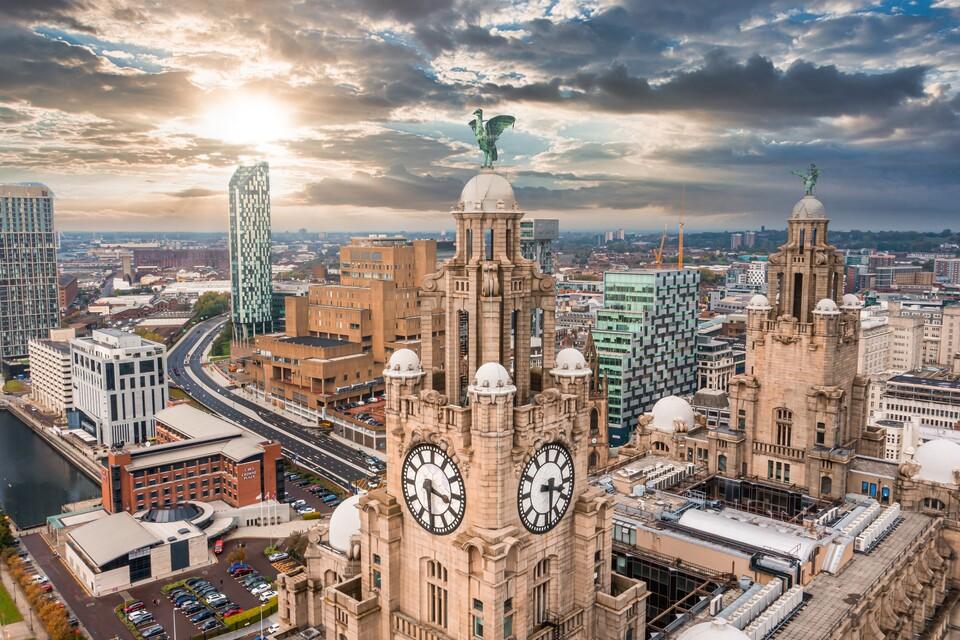
Local leaders are making significant progress towards acquiring new powers that will enable them to invest in high streets, cultural sites, and other attractions that enhance the livability and appeal of their communities.
Introduction of the Visitor Levy Bill
The Visitor Levy Bill, presented in the House of Commons today, represents a pivotal advancement in achieving fiscal devolution. This legislation empowers mayors and local leaders—who possess intimate knowledge of their regions—to implement a modest fee on overnight stays. The revenue generated from this levy will remain within the local area, providing essential funding for the facilities and services utilised by both visitors and residents.
Mayors opting to introduce this levy will have the opportunity to enhance the unique characteristics of their regions while improving the overall visitor experience. This could encompass enhancements to high streets, public spaces—including amenities such as public toilets and parks—cultural events, security measures, and promotional efforts for local destinations. The funds collected from visitors will contribute to attracting additional tourism, supporting local enterprises, and improving the environment for residents.
Protection for Low-Cost Family Breaks
The government has assured that lower-cost family holidays will be safeguarded by stipulating that the levy be calculated as a percentage of the accommodation cost rather than a fixed fee. Consequently, those opting for more affordable lodging will incur lesser charges. Furthermore, ten mayors have pledged that any levy implemented in their jurisdictions will not exceed 5%, providing certainty for both visitors and businesses while allowing for local discretion.
This legislative initiative builds upon the substantial commitments made during the Budget to foster quality growth in every region, in alignment with the government’s high streets strategy and broader plans to devolve power from Whitehall to local communities.
Comments from Local Leaders
The Secretary of State for Housing, Communities, and Local Government expressed that millions of people visit the country’s vibrant towns and cities annually, and it is essential that these communities benefit from that influx. She highlighted that every pound raised through the levies will be reinvested locally, enhancing transport options, revitalising high streets, and developing attractions that encourage repeat visits.
Bev Craig, Mayor of Greater Manchester, emphasised the need for an Overnight Visitor Levy to bolster the region by allowing mayors to generate additional funding through a small charge on overnight stays. This would provide new resources for reinvestment into the local economy, public services, and sustainable growth. Craig noted that Manchester has successfully implemented a similar scheme, generating millions that have been reinvested into vital services.
Potential Impact on Local Economies
David Skaith, Mayor of York and North Yorkshire, stated that the region, known for its historic towns and stunning landscapes, welcomes over 40 million visitors each year. He believes an Overnight Visitor Levy could be transformative, enabling investment in local areas to enhance both visitor experiences and living conditions.
Steve Rotheram, Mayor of the Liverpool City Region, highlighted the economic significance of the visitor sector, valuing it at over £6.8 billion annually. He argued that a small levy on overnight stays could yield substantial revenue for reinvestment in local culture, infrastructure, and events that draw millions to the region.
Broad Support for the Visitor Levy
Mayors from various regions, including London and the East Midlands, echoed similar sentiments, recognising the potential benefits of a visitor levy to support local attractions and businesses. They stressed the importance of engaging local communities in discussions about the levy to ensure it serves the interests of those most affected.
Tracy Brabin, Mayor of West Yorkshire, noted the successful investment in the visitor economy during Bradford’s tenure as UK City of Culture, advocating for a small contribution from overnight guests to further enhance the region’s cultural offerings.
Implementation and Oversight of the Levy
The Bill outlines the operational framework for the levy, including provisions for exemptions and local decision-making processes. It will only apply to the first 28 consecutive days of a stay, ensuring that longer-term accommodations are not penalised. Protections will be in place for occasional hosts, and local leaders will retain the flexibility to set thresholds that reflect their tourism markets.
The introduction of these powers aligns England with international practices in countries like Germany, Italy, and Canada, allowing localities to maximise the benefits of millions of overnight stays annually.
Conclusion: A New Era of Local Investment
The government acknowledges the challenges faced by the hospitality sector and has structured the levy to ensure local decisions are prioritised and businesses are consulted before any scheme is implemented. Funds raised will be reinvested into critical areas such as transport, public spaces, and events that enhance both the visitor experience and the local economy.
As local leaders publish their plans and consult with communities, this initiative is set to create a new era of investment that not only supports the tourism sector but also uplifts the communities that host visitors.



More Stories
Mysterious Lost Stone Emerges in Dorset’s Enigmatic Valley of Stones Nature Reserve
Enhanced Regulations for Police Utilising Facial Recognition Technology in the UK
Exciting Transformations Underway at Beacon Barracks: Major Upgrades in Progress