
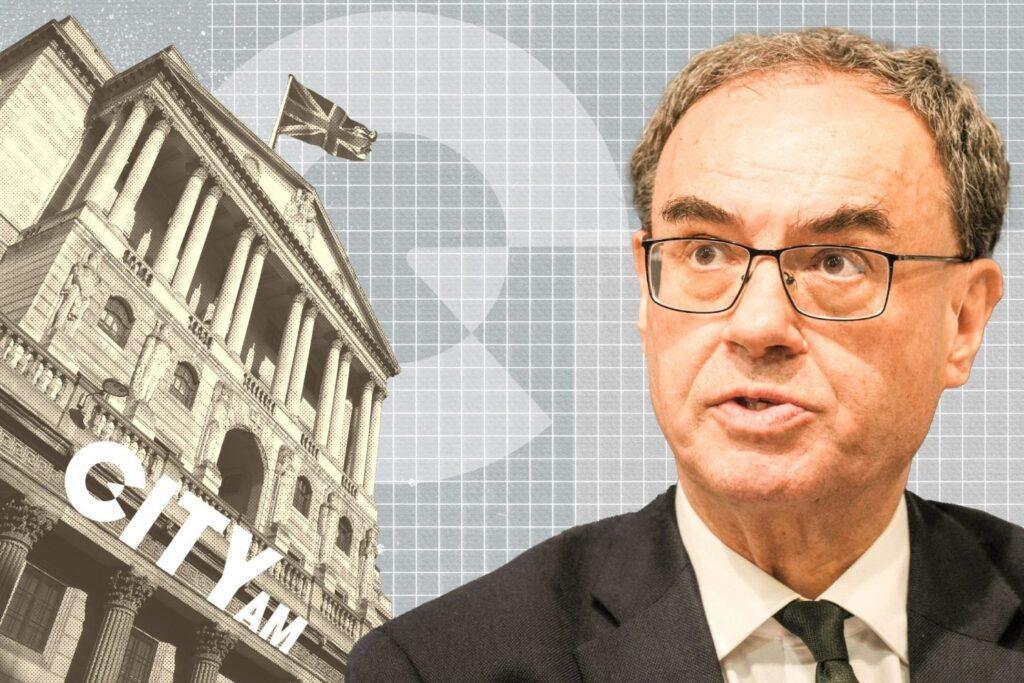
The Shadow Monetary Policy Committee has urged the Bank of England to increase interest rates by 25 basis points, raising the rate from 3.75% to 4%. This recommendation comes as part of a broader discussion regarding the current economic climate and the measures necessary to maintain stability.
Economic Context and Implications
The call for a rate hike reflects ongoing concerns about inflation and its impact on the UK economy. By adjusting interest rates, the Bank of England aims to control inflationary pressures while supporting economic growth. A rise in rates could have significant implications for consumers and businesses alike, influencing borrowing costs and spending behaviours.
Focus on Key Economic Indicators
In light of the recent economic data, the committee’s recommendation is particularly relevant. Analysts are closely monitoring various indicators, including inflation trends, employment rates, and overall economic performance. These factors play a crucial role in shaping monetary policy decisions and ensuring a balanced approach to managing the economy.
Future Considerations
Looking ahead, the Bank of England will need to weigh the potential benefits of a rate increase against the risks it may pose to economic growth. As the situation evolves, ongoing assessments of the economic landscape will be essential for determining the most appropriate course of action.



More Stories
Daniel Levy Faces Pressure as Lewis Family Tightens Control Over Tottenham Hotspur
The Great Debate: Is Remote Work Hindering the Growth of Young Professionals?
Weil Gotshal’s Collapse Highlights the Vulnerability of Law Firm Partnerships