
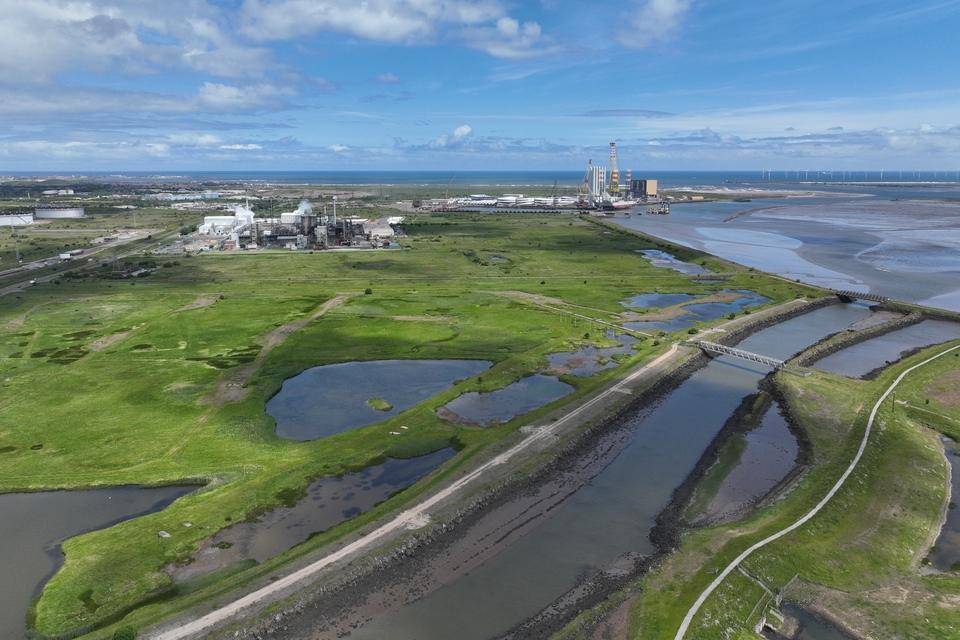
A new initiative aimed at addressing coastal erosion has been unveiled as part of the £30 million Tees Tidelands Programme. This ambitious project seeks to mitigate flood risks, restore vital intertidal habitats, and foster a renewed connection between local communities and the estuary. With an estimated construction period of two years, the scheme aspires to manage flood risks effectively over the next five decades.
The £25 million scheme specifically targets Hartlepool, aiming to enhance flood protection for crucial national industries and infrastructure while also rehabilitating lost intertidal environments. Scheduled to commence in early 2027, construction is expected to last approximately two years, aligning with the overarching goals of the Tees Tidelands Programme, which include the realignment of flood defences, restoration of intertidal and river habitats, and re-establishment of connections between tributaries and local communities.
Key Aspects of the Project
One of the primary components of the scheme involves the construction of a new 1.5-kilometre embankment at Greenabella Marsh. This will be followed by a breach of the existing Greenabella embankment, a strategic move designed to enhance flood resilience and address the challenges posed by climate change.
Clay required for the embankment will be sourced from Marsh House Farm, a parcel of land owned by the Environment Agency, located in proximity to the site. Upon excavation, this area will be transformed into a saline lagoon, further contributing to habitat creation. Additionally, repair works are planned for the Greatham Creek embankment to bolster its structural integrity.
Enhancing Climate Resilience and Biodiversity
The restoration of a significant expanse of mudflats and saltmarsh within the Tees Estuary is a crucial aspect of the project. This initiative is expected to provide essential habitats for wildlife while also sequestering substantial amounts of carbon annually. Over the last two centuries, industrialisation has significantly diminished these habitats, with estimates suggesting that fewer than 10% of the original intertidal environments remain.
Joe Reed, Project Manager at the Environment Agency, expressed enthusiasm for the project, stating, “This exciting initiative will enhance the area’s resilience to the shifting climate and improve flood defences for the next fifty years. The creation of new habitats will not only support biodiversity but also help local communities reconnect with nature.”
Structural assessments have revealed that both the Greatham Creek and Greenabella embankments are in a state of disrepair, presenting maintenance challenges due to their original construction with slag boulders in the late 19th century, a remnant of the industrial era.
As the project progresses, the team will focus on obtaining the necessary licences and consents ahead of the construction phase set to begin early next year, while maintaining communication with landowners.
Community Support and Future Developments
The initiative has garnered significant backing from local industries and various nature conservation organisations, including Natural England and the RSPB. This collaborative support underscores the project’s importance to both ecological restoration and community safety.
Additionally, the most recent undertaking completed as part of the broader Tees Tidelands Programme is the Greatham Marsh Restoration project, marking a significant step towards enhancing the region’s environmental resilience and community engagement.



More Stories
Almost 50 Arrests Made in Major People Smuggling Operation at Irish Border
Government Takes Bold Steps to Strengthen Leaseholder Protections
South West Water Fined £7.8 Million for Reckless Practices: What You Need to Know