
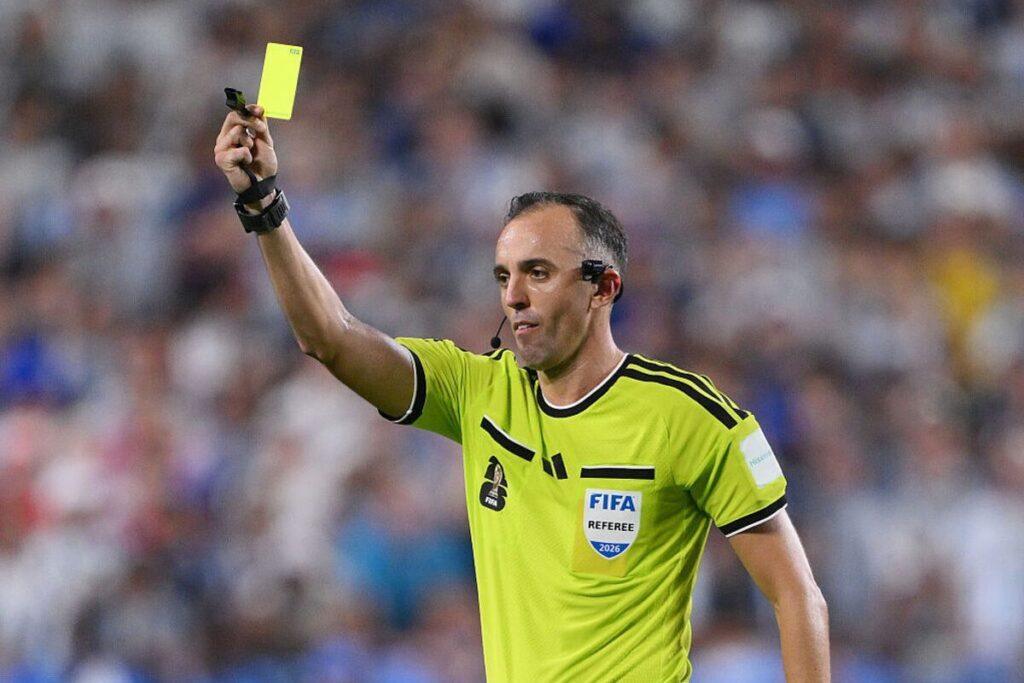
In an insightful discussion about the forthcoming amendments to FIFA’s Disciplinary Code, lawyer Nilo Effori elaborates on the implications these changes will have on football players, clubs, and agents starting from January 2027. The revisions are poised to impact various aspects of the game, highlighting the importance of understanding these new regulations within the world of professional football.
Overview of the Amendments
The updated Disciplinary Code introduces a number of significant alterations aimed at enhancing the integrity of the sport. Key among these changes is a stricter framework for evaluating player conduct, which is expected to lead to more rigorous enforcement of disciplinary measures. This includes not only on-field behaviour but also off-field actions that could tarnish the reputation of the game.
Effori notes that these amendments are a response to the evolving nature of football, where the stakes are increasingly high for both players and clubs. The new regulations will require a more proactive approach to compliance, as the consequences for breaches could be severe, ranging from hefty fines to longer suspensions.
Impact on Players and Clubs
For players, the implications of the revised code are profound. The increased scrutiny means that athletes must maintain a higher standard of professionalism both during matches and in their personal conduct. This shift is intended to foster a more respectful environment within the sport, but it also places additional pressure on players to navigate their behaviour carefully.
Clubs, on the other hand, will need to adapt their training and management strategies to ensure that their players are not only aware of the new regulations but also prepared to comply with them. In this context, clubs might find themselves investing more in educational programmes that focus on discipline and ethical behaviour, thereby safeguarding their interests in the long term.
Role of Agents in the New Landscape
Agents will also find their roles evolving as a result of these amendments. With the code emphasising personal accountability, agents are now more crucial than ever in guiding their clients through the complexities of the regulations. Effori highlights that agents must stay informed about the latest changes and advise their players on how to conduct themselves both on and off the pitch.
The responsibility of agents extends beyond mere contract negotiations; they will need to ensure that their clients are fully equipped to meet the heightened expectations of conduct that the new Disciplinary Code entails. This could lead to a shift in the dynamic between players and their representatives, as agents take on a more active role in promoting adherence to the code.
Long-term Consequences for Football
Looking forward, the changes to FIFA’s Disciplinary Code are likely to have long-lasting effects on the sport. By instilling a culture of accountability, FIFA aims to protect the integrity of football and enhance the overall experience for fans and participants alike. Effori believes that while the transition may present challenges, it ultimately serves to elevate the standards of professionalism within the sport.
As these amendments take effect in 2027, the football community will need to remain vigilant and adaptable. The evolving landscape necessitates a collective commitment to uphold the values that make football a beloved global phenomenon. With the right preparations, players, clubs, and agents can navigate this new terrain successfully, ensuring that the sport continues to thrive.



More Stories
Concerns Rise Over £458 Million Gambling Tax Proposal Just Days Ahead of Budget Announcement
UK AI Minister Teases Upcoming Budget Measures Amidst Stricter Tech Regulation Discussions
Super League’s Potential NRL Investment: Possible Delay Until 2028