
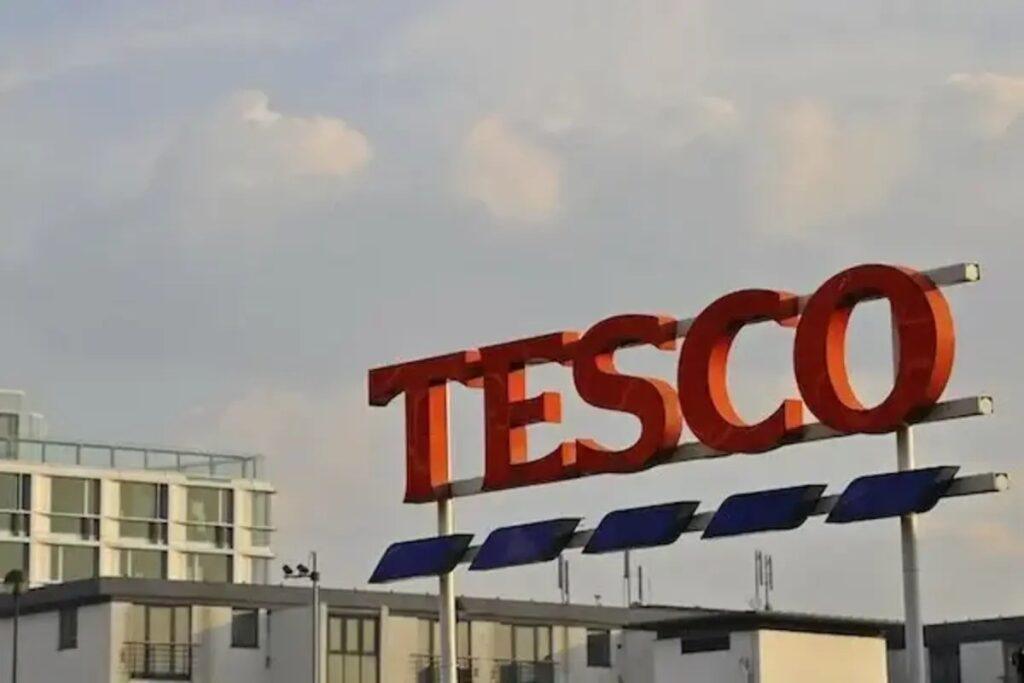
The Supreme Court has denied Tesco’s request to appeal a significant ruling in an enduring equal pay case involving over 16,000 retail employees. This decision marks a pivotal moment in the ongoing legal battle concerning wage disparities within the supermarket chain.
Implications for Tesco and Retail Workers
This ruling could have far-reaching consequences for Tesco, potentially leading to substantial financial ramifications if the court ultimately rules in favour of the claimants. The equal pay claim, which has been in progress for several years, revolves around allegations that Tesco’s shop workers have been paid less than their counterparts in distribution centres for work of equal value.
As the case has unfolded, it has attracted significant media attention, highlighting broader issues of pay equity within the retail sector. The claimants argue that the pay discrepancies are not justified and reflect systemic inequalities that need to be addressed. The Supreme Court’s recent decision to block Tesco’s appeal underscores the seriousness of these allegations and the potential for change within the industry.
Legal Context and Future Developments
The legal framework surrounding equal pay claims in the UK is robust, designed to safeguard workers’ rights to fair compensation. The case’s progression through the courts has been closely monitored by legal experts and industry analysts, as it may set a precedent for future claims not just against Tesco but across the retail sector as a whole.
With the Supreme Court’s ruling, the case will now return to the Employment Tribunal, where the specifics of the claim will be further examined. Stakeholders from various sectors will be watching closely, as the outcome may influence corporate wage policies and practices beyond Tesco, potentially benefiting thousands of workers across the country.
Public Sentiment and Corporate Responsibility
As public awareness of wage inequities grows, companies are facing increasing pressure to ensure equitable pay practices. The Tesco case exemplifies the ongoing struggle for fair remuneration, which resonates with many workers in various industries. Advocates for workers’ rights argue that corporations have a moral obligation to address these disparities proactively.
In light of this ruling, Tesco may need to reassess its pay structures and policies to mitigate the risk of further legal challenges. The supermarket’s response to this case will likely be scrutinised, not only by the claimants but also by consumers who are increasingly concerned about corporate accountability and ethical practices.



More Stories
Ian McKellen Charms Ncuti Gatwa in Heartwarming ‘Frank and Percy’ Film – A Review
Healey Pledges £600m Budget Investment to Ensure AI Benefits All Workers
Top 9 Must-See Movies from the London Film Festival and Their UK Cinema Release Dates