
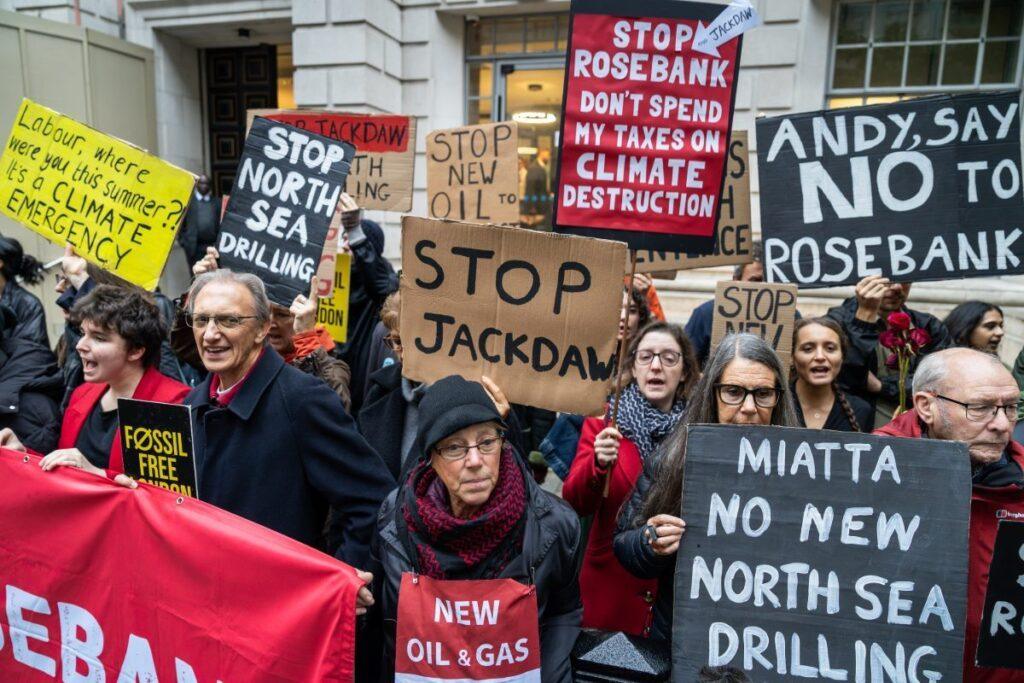
The recent government approval of the Jackdaw gas field has sparked significant discussion regarding its implications for the nation’s energy policy. As the world grapples with the transition to greener energy sources, questions arise about whether this decision represents a genuine shift in strategy or if it is merely an empty gesture.
Understanding the Jackdaw Gas Field Approval
The Jackdaw gas field, located in the North Sea, is poised to become a key player in the UK’s energy landscape. This development is particularly noteworthy given the current global emphasis on reducing reliance on fossil fuels. The government’s endorsement of this project could suggest a renewed commitment to utilising domestic energy resources amidst rising energy prices and supply concerns following geopolitical tensions.
Supporters of the project argue that harnessing natural gas from the Jackdaw field could bolster the UK’s energy security. By tapping into local reserves, the country could reduce its dependence on imported energy, thereby enhancing resilience to external market fluctuations. This is especially pertinent in light of recent events that have disrupted global energy supply chains.
Environmental Considerations and Criticism
However, the approval has not come without controversy. Environmental advocates have voiced concerns that the focus on gas extraction contradicts the government’s commitments to combating climate change. Critics argue that investing in new fossil fuel projects could undermine efforts to transition to renewable energy sources, such as wind and solar power. They contend that the long-term environmental impacts could outweigh any short-term benefits gained from increased gas production.
The dichotomy between energy security and environmental responsibility poses a significant challenge for policymakers. As the UK aims to meet its carbon reduction targets, the introduction of projects like Jackdaw may be seen as a step backward by some, while others view it as a pragmatic solution to immediate energy needs.
Implications for Future Energy Policy
The decision to approve the Jackdaw gas field could serve as a litmus test for the government’s future energy policy. It raises critical questions about the balance between economic growth, energy independence, and environmental stewardship. As the nation approaches its ambitious net-zero targets, the trajectory of energy policy will likely be closely scrutinised.
Ultimately, the Jackdaw gas field approval may reflect a broader strategy aimed at ensuring that the UK remains competitive in a rapidly evolving energy market. Whether this move is a sign of a transitional phase towards a more sustainable energy future or a retreat into traditional energy sources remains to be seen.
The Road Ahead for Energy Security
As discussions regarding the Jackdaw project unfold, the government will need to navigate a complex landscape of economic, environmental, and social factors. The path forward will require a careful examination of how to integrate new fossil fuel developments with a robust commitment to renewable energy and sustainability. The outcomes of this project could have lasting implications for the UK’s energy policy and its global standing in the fight against climate change.
In conclusion, while the approval of the Jackdaw gas field may provide short-term solutions to energy supply issues, its long-term impacts on both the environment and energy policy will be pivotal in shaping the UK’s energy future. The balance between utilising domestic resources and adhering to climate commitments will be a critical focus in the coming years.




More Stories
Budget 2026: Consumer Confidence Plummets as Calls Grow for Healey to Address Rising Cost Crisis
Elon Musk’s Flying Car: A Marvel of Innovation That Sparks Wonder, Not Cultural Cynicism
Public Opinion Unveiled: What Do Britons Really Think About Rejoining the EU?