
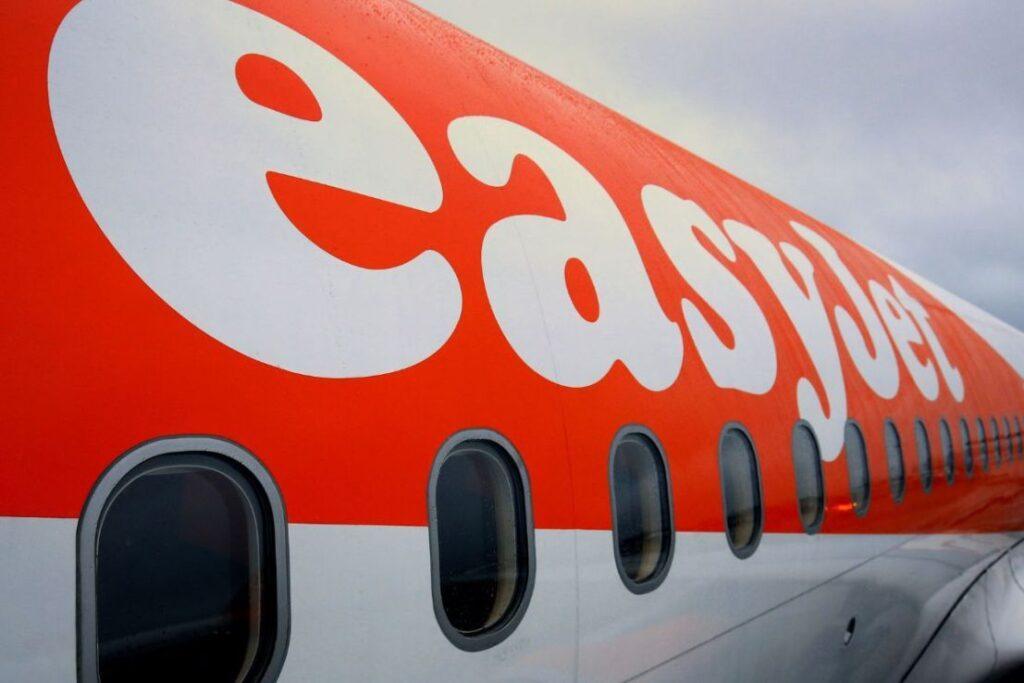
Apollo Global Management has made headlines with its unexpected acquisition of budget airline EasyJet, a move that has taken many by surprise, particularly as it has eclipsed a series of competing offers from the alternative asset management firm Castlelake. This bold bid marks a significant shift in the aviation sector, raising questions about the future direction of one of Europe’s most well-known low-cost carriers.
Unexpected Market Moves
The announcement of Apollo’s bid comes amidst a landscape of heightened competition among investment firms seeking to capitalise on the recovery of the airline industry following the disruptions caused by the pandemic. EasyJet, known for its affordable fares and extensive network across Europe, has been a point of interest for various investors looking to expand their portfolios in the travel sector.
Castlelake, which had been in the running with its own proposals, now faces a formidable challenge as Apollo’s offer not only demonstrates a clear intent to invest in EasyJet but also signifies confidence in the airline’s ability to rebound and thrive in the post-pandemic environment. The dynamics between these two investment firms reflect the growing interest in budget airlines, which are poised to benefit from a resurgence in travel demand.
Implications for EasyJet’s Future
Under Apollo’s ownership, EasyJet could see substantial changes aimed at enhancing operational efficiency and customer experience. Investors are speculating on potential strategic initiatives that might be introduced, including fleet upgrades, route expansions, and improvements in service offerings. Such developments could position EasyJet favourably against its competitors in the budget airline arena.
The acquisition also raises broader questions regarding the consolidation within the airline industry, particularly among budget carriers. As companies strive to navigate the complexities of a recovering travel market, mergers and acquisitions may become a more common strategy as firms look to bolster their market positions and achieve economies of scale.
A New Era for Budget Airlines
This acquisition is emblematic of the shifting landscape within the aviation sector, where budget airlines are increasingly seen as lucrative investment opportunities. As travel patterns continue to evolve, the focus on low-cost travel options is likely to intensify, prompting further bids and acquisitions in the sector.
Investors and analysts will be closely monitoring how Apollo’s management strategies unfold in the coming months, as they could set a precedent for future interactions between investment firms and airline operators. The outcome of this deal could very well reshape the competitive dynamics within the industry, potentially leading to a new era for budget airlines in Europe and beyond.




More Stories
Discover Why AI Engineers in London Command Salaries Exceeding £360,000
Shein Prepares for Budget IPO Amidst Slowing Market Dominance
The Counterproductive Nationalism of ‘Buy British’ in Defence: Why It Falls Short