
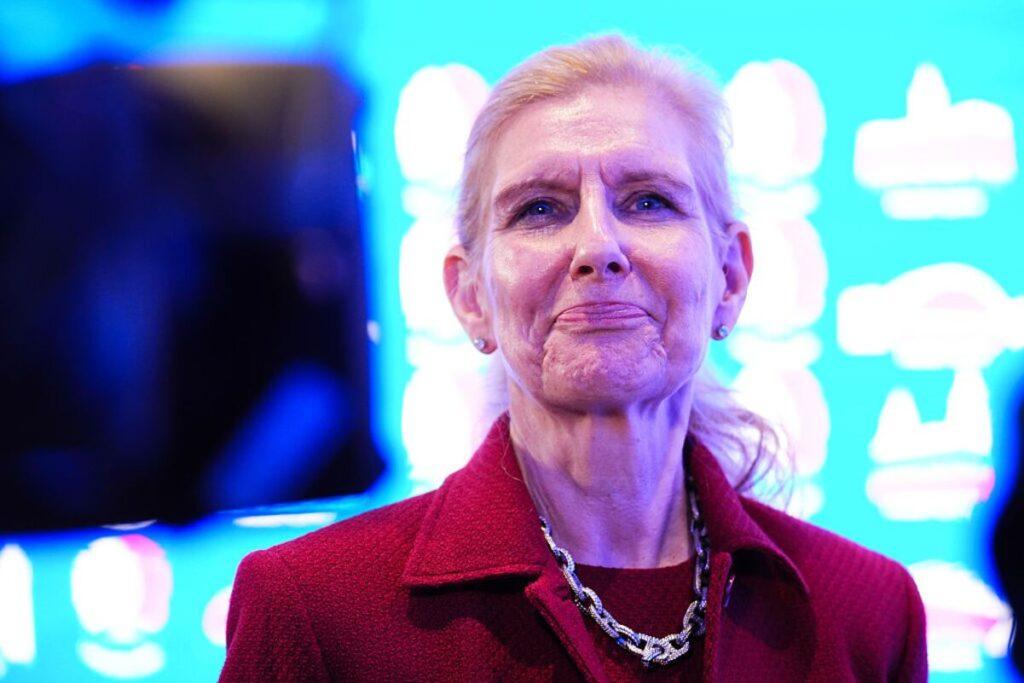
Debbie Hewitt, Chair of the Football Association, has raised concerns regarding the lack of full transparency from FIFA concerning the management of Gianni Infantino’s World Cup sell-off. Her comments highlight the ongoing issues related to accountability within the organisation, particularly in light of significant financial dealings linked to the prestigious tournament.
Concerns Over Financial Transparency
Hewitt’s remarks come amid an increasing demand for clarity in FIFA’s operations, especially as the organisation navigates complex commercial arrangements. The World Cup, being one of the most lucrative sporting events globally, has seen its financial aspects come under scrutiny, with stakeholders eager to understand how revenues are generated and allocated.
In recent months, there have been several calls from various football associations for a more open dialogue regarding FIFA’s financial strategies. Hewitt’s position as FA chair places her at the forefront of these discussions, where she can significantly influence the push for greater transparency.
Implications for Stakeholders
The repercussions of limited transparency extend beyond financial implications; they also affect governance and trust within the sport. National football associations, sponsors, and fans alike seek assurance that the integrity of the game remains intact and that profits are reinvested into football development rather than obscured in complex financial structures.
Hewitt’s advocacy for transparency is not merely about financial auditing; it encompasses a broader commitment to ethical practices within football. By bringing these issues to light, she hopes to foster a culture of accountability that can ultimately benefit the sport at all levels.
The Future of World Cup Management
As discussions continue, the future management of the World Cup and its financial dealings will be closely monitored. The outcome of these talks could set a precedent for how FIFA operates and interacts with its member associations. A more transparent approach could enhance trust and collaboration, potentially leading to a more sustainable model for the sport’s future.
As the sporting world looks ahead, the push for accountability will likely remain a central theme, with leaders like Debbie Hewitt at the helm of these vital conversations. Her dedication to transparency may well inspire a new era in football governance, one where stakeholders are more informed and engaged in the decision-making processes that shape the game.




More Stories
Robert Jenrick criticises Deloitte and KPMG for recent job cuts
IMF Chief Highlights Risks of AI-Induced Job Losses and Tax Erosion
Lidl Sets Sights on Poundland Acquisition as Discount Retailer Sale Intensifies