
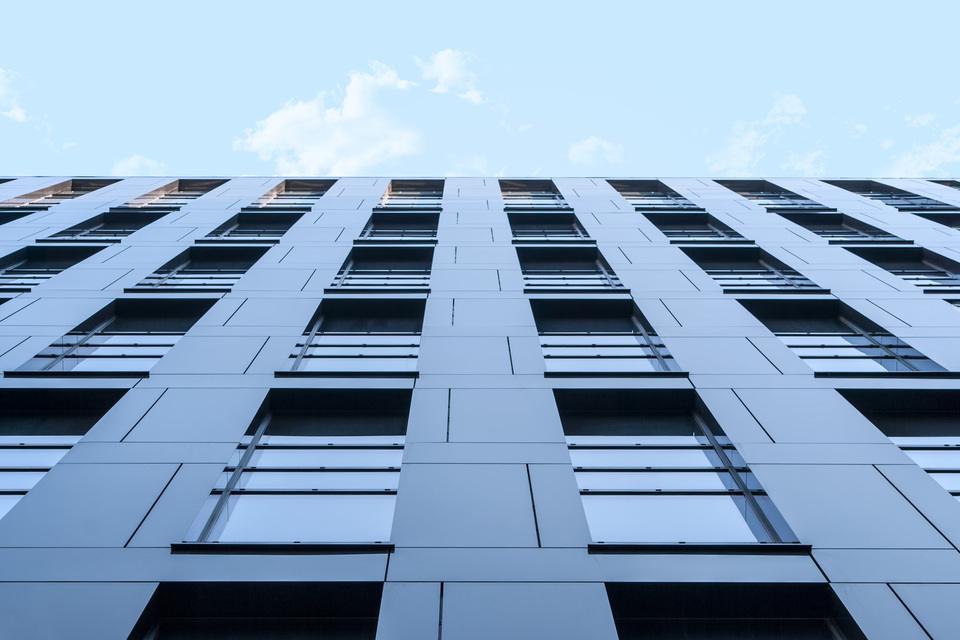
Government Initiates Action on Unsafe Cladding
The government has taken a significant step towards ensuring the safety of residential buildings with the introduction of the Remediation of Unsafe Cladding Bill in Parliament today, 14 October 2026. Nine years after the tragic Grenfell Tower fire, the presence of unsafe cladding remains a pressing issue, leaving numerous residents feeling vulnerable in their own homes.
In response to this ongoing crisis, the government has implemented the Remediation Acceleration Plan, which has reportedly facilitated the completion of cladding remediation for over 470 additional buildings, ultimately benefiting approximately 35,000 residents. However, officials acknowledge that further action is essential to identify and rectify safety issues across all affected properties while providing adequate support to residents.
Commitment to Building Safety
Baroness Blake, the Building Safety Minister, expressed the urgency of the situation, stating, “It’s unacceptable that so many people have been left living in homes with dangerous cladding, anxiously waiting for those responsible to take action.” The newly introduced Bill marks a pivotal moment in the government’s efforts to ensure that every resident can feel secure within their home.
The legislation aims to provide a clear pathway to remediation, empowering regulators to act decisively and ensuring that those currently waiting for action will see positive developments. The Bill delineates specific responsibilities, outlining the necessary works and establishing consequences for non-compliance.
Enhanced Enforcement Measures
A key feature of the Bill is the introduction of a new legal obligation for those accountable for building safety, such as freeholders. They will be required to promptly identify, assess, and address safety issues, with potential criminal penalties for those who hinder these efforts. Moreover, the Bill establishes a robust enforcement framework, allowing the First-tier Tribunal to impose financial penalties of up to £500,000 on entities that fail to comply with a Remediation Order.
The government expects that by the end of 2029, all buildings exceeding 11 metres in height with unsafe cladding will either have undergone remediation or have a clear completion date. Notably, tougher enforcement powers will be available in advance of this deadline.
Clear Pathways for Residents
To safeguard residents, the legislation permits third parties, including Homes England and local authorities, to intervene and carry out remediation work if responsible parties consistently neglect their duties. This provision aims to reassure residents that necessary works will proceed without delay.
In cases where a building lacks an effective owner or responsible entity, leaseholders will gain clearer legal avenues to manage the property, ensuring that essential maintenance and safety measures can be maintained.
Ensuring Fair Financial Responsibility
The Bill also simplifies the process for developers and contractors who have financed safety improvements to pursue cladding manufacturers for the recovery of remediation costs. This will eliminate legal barriers that have previously impeded such actions.
In a bid to enhance transparency and accountability, a new register of medium-rise residential buildings in England will be established to ensure comprehensive oversight. Failure to register will incur civil penalties of up to £7,000, with the potential for higher fines of up to £40,000 or prosecution.
Comprehensive Risk Assessments
Fire risk appraisals of external walls (FRAEWs) will be mandated to follow a consistent assessment methodology, ensuring that buildings are evaluated uniformly and risks are identified through independent, evidence-based assessments. Should an appraisal recommend remedial work, responsible entities will be obligated to communicate a clear plan to residents, detailing the necessary steps and timelines for remediation.
It is anticipated that these new measures will expedite remediation efforts for around 12,000 residents, including approximately 3,000 who may have never seen their buildings remediated without these interventions.
Government’s Broader Commitment
The introduction of this Bill complements the extensive work already in progress to facilitate remediation, including a commitment of over £5 billion from the government. Additional support measures include funding for buildings under 11 metres in exceptional circumstances, an extra £1 billion to assist social housing providers, and extended funding for fire alarms to replace costly waking watches.
Furthermore, the government continues to act on recommendations from the Grenfell Tower Inquiry, including the recent appointment of an independent Chief Construction and Scientific Adviser to provide expert guidance on building safety, quality, and resilience.
Industry Collaboration for Safety
Amy Rees CB, CEO of Homes England, highlighted the importance of these measures, stating, “Everyone deserves to feel safe in their home. These measures are an important step in accelerating remediation, strengthening accountability, and giving residents greater confidence that unsafe buildings will be fixed.” Homes England will continue its collaboration with the government, regulators, and industry stakeholders to ensure that no building is overlooked and that remediation efforts progress swiftly.
Charlie Pugsley, Acting CEO of the Building Safety Regulator, affirmed the commitment to support building owners in rectifying known safety issues promptly. He emphasised the regulator’s role in working collaboratively with the government to address the critical issue of remediation for higher-risk buildings across England.


More Stories
Harnessing Workplace Safety Data: Unlocking the Potential for Effective Commercialisation
Andy Lord Takes the Helm as Interim Chair of NAD Group Advisory Board
Creating an Inclusive Energy System for Everyone