
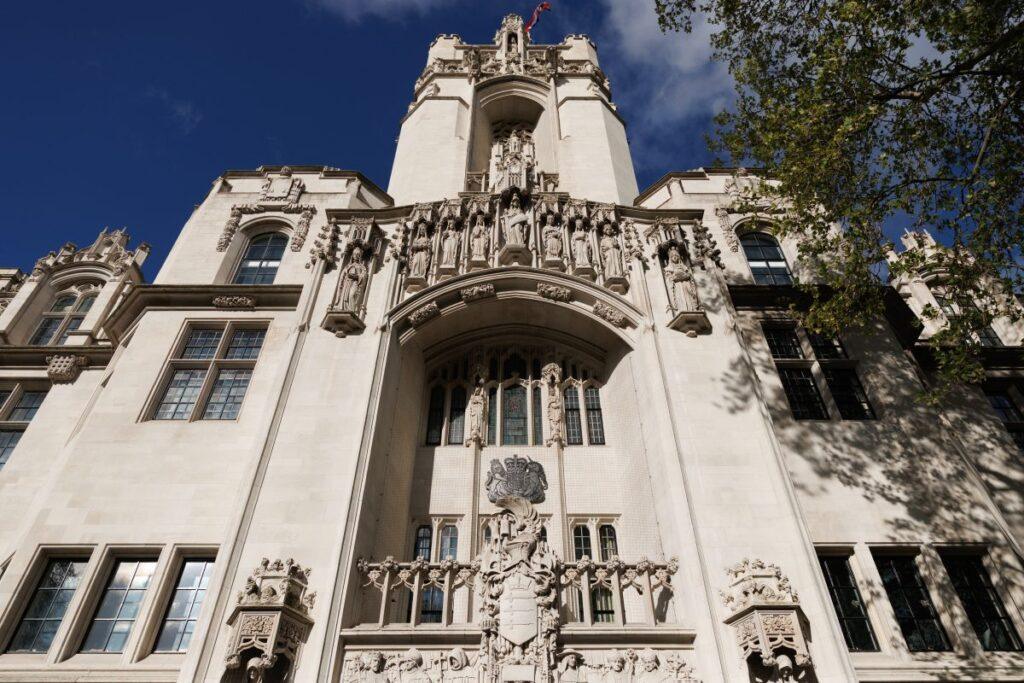
Businesses may soon find themselves confronted with a significant increase in minor data protection claims if the Supreme Court decides that individuals can seek compensation for emotional distress or anxiety resulting from data breaches without the necessity of demonstrating actual harm.
Legal Precedents and Implications for Companies
This potential ruling could transform the landscape of data protection law, paving the way for an influx of claims that many consider to be trivial. The ability to claim compensation based solely on perceived emotional distress could lead to a flood of litigation, placing further strain on businesses already grappling with the complexities of data protection regulations.
Legal experts warn that this change could create an environment where companies are held liable for incidents that do not result in tangible harm, complicating the already intricate balance between protecting consumer rights and ensuring business viability. With the rise of digital interactions, the risk of data breaches has become a pressing concern, and the legal ramifications of such incidents are now more significant than ever.
Understanding Emotional Distress in Data Breach Cases
The crux of the matter lies in the interpretation of emotional distress. Traditionally, claimants have been required to demonstrate clear evidence of harm, but this ruling could alter that standard dramatically. If the court decides that anxiety or distress alone suffices for a claim, businesses may need to reassess their risk management strategies and legal frameworks in order to mitigate potential liabilities.
As the conversation surrounding data protection continues to evolve, organisations must remain vigilant about protecting consumer information and preparing for the possibility of increased legal challenges. The potential for claims based on emotional distress highlights the importance of robust data handling practices and effective communication with customers regarding their data rights.
The Future of Data Protection Litigation
Looking ahead, businesses may need to invest more resources into compliance and legal consultation to navigate this shifting landscape. The implications of such a ruling extend beyond mere compensation; they could also affect how companies approach data security and privacy policies. In an age where consumer trust is paramount, companies must proactively address vulnerabilities to avoid the repercussions of data breaches.
As the industry watches closely, the outcome of this Supreme Court decision will undoubtedly have far-reaching effects on the relationship between businesses and their customers, as well as the overall approach to data protection in the UK. The legal community anticipates a vigorous debate surrounding the nuances of emotional distress claims, with stakeholders eager to understand the full scope of the ruling’s impact.




More Stories
Healey Urged to Reduce Employment Taxes and Energy Costs to Stimulate Business Growth
Retailers on High Alert Amidst Surge in Cyber Attacks
Government Introduces AI Tool to Streamline Probation Work and Tackle Prison Overcrowding Issues