
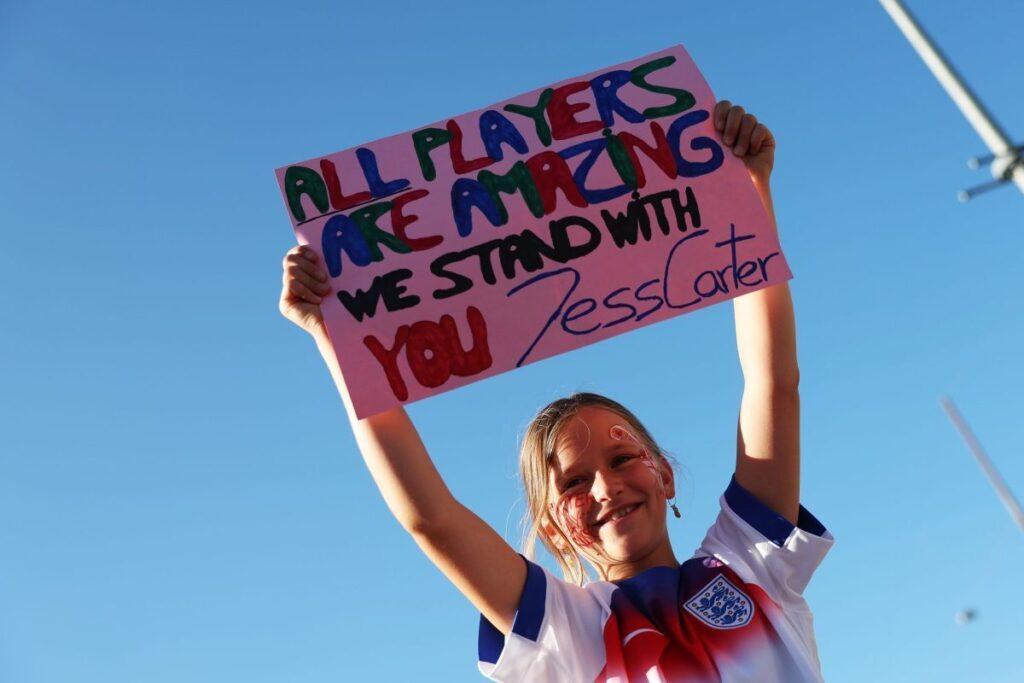
Recent legislative changes are set to have a significant impact on sports teams, governing bodies, and stadium operators, holding them legally accountable for any instances of abuse directed at players. This development is poised to reshape the landscape of sports governance and player protection, as organisations will now be required to implement more robust measures to safeguard their athletes.
Legal Accountability for Abuse in Sports
The new regulations introduce a framework that empowers players to seek legal recourse in cases of harassment or abuse, thereby placing a more considerable burden on sports organisations to ensure the safety and well-being of their participants. In recent years, there has been a growing awareness of the detrimental effects that abusive behaviour can have on athletes, both mentally and physically. Consequently, the legal emphasis on accountability aims to foster a safer environment for all players.
Sports teams and their governing bodies will now need to develop and enforce strict policies that address abuse, along with comprehensive training for staff and volunteers. This proactive approach is not only essential for compliance with the new laws but also crucial for promoting a culture of respect and integrity within sports.
Implications for Governance and Culture
The ramifications of this legal framework extend beyond mere compliance; they challenge the very culture of sports. By holding organisations accountable, there is an expectation that they will take a more active role in preventing abuse, thus fostering an environment where players feel supported and valued. The introduction of these laws signals a shift towards a more ethical and responsible approach to sports management.
Furthermore, the impact of such legislation is likely to resonate through all levels of sport, from grassroots to elite competitions. As clubs and governing bodies adapt to the new legal landscape, they will need to engage in open dialogues about the importance of player welfare, ensuring that the voices of athletes are heard and respected.
The Role of Stakeholders in Ensuring Safety
All stakeholders in the sports ecosystem, including sponsors, fans, and community members, play a crucial role in this transformative process. Engaging fans in discussions about appropriate behaviour and the importance of supporting players can help create a more positive atmosphere in stadiums and arenas. Moreover, sponsors may increasingly seek to associate themselves with organisations that prioritise ethical standards and player safety, further incentivising teams to adhere to the new regulations.
As the sports industry navigates these changes, it will be essential for teams and governing bodies to remain vigilant and responsive to the needs of their players. The legal accountability introduced by these new laws presents an opportunity to enhance the integrity of sports and ensure that all athletes can compete in a safe and supportive environment.




More Stories
Aldi’s Debt Soars by £100 Million Amid Falling Profits at Discount Supermarket
Drenched in Delight: Exploring the World of Whisky and Whiskey
Gordon Ramsay’s Restaurant Empire Surpasses £100 Million, with Lucky Cat Shining as the Star Performer