
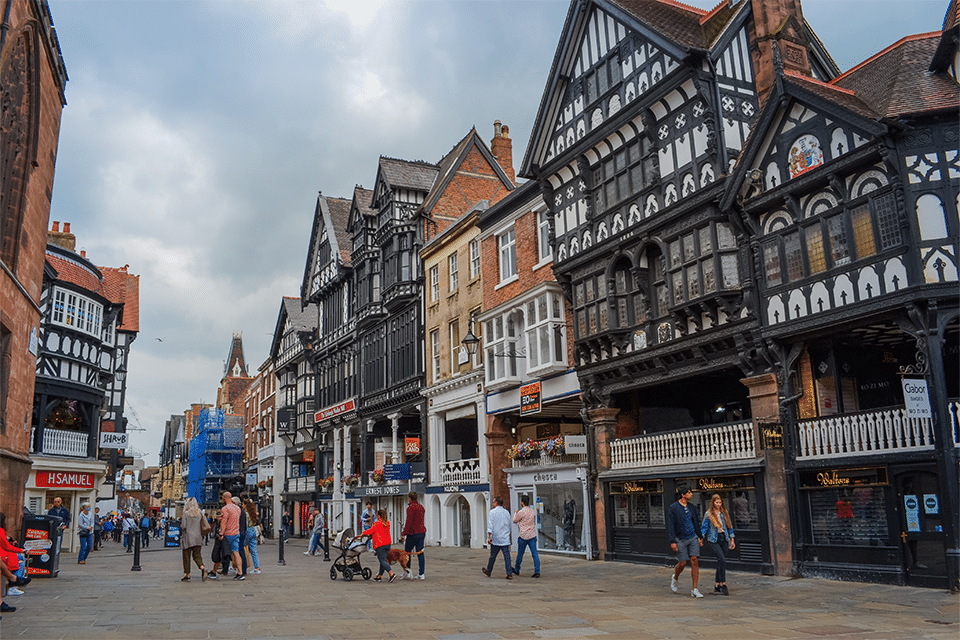
Derelict buildings along the high street are set to be revitalised into shared workspaces, cafés, and community hubs, with the aim of reinvigorating town centres as part of a substantial £210 million funding initiative announced on 25 September.
Residents often take pride in their localities, yet many have witnessed the gradual decline of their high streets, characterised by shuttered shops, boarded-up buildings, and once-vibrant centres left in disrepair. The government is now taking decisive action to remedy this situation by transforming vacant shopping centres, disused cinemas, and other neglected structures into community-centric spaces.
Investment in Community Needs
Through the introduction of the £125 million Derelict Buildings Fund, local authorities will receive support to reimagine these neglected structures in ways that address community needs, ranging from health centres to civic spaces. This initiative is complemented by an additional £65 million allocated to aid communities across England in rescuing and refurbishing cherished buildings and businesses at risk of closure, such as pubs and sports clubs.
This funding builds upon existing initiatives like the Pride in Place programme, which has empowered local residents to take charge of their community assets, notably the youth centre in Ramsgate and the redevelopment of the former Brunswick Shopping Centre in Scarborough.
Moreover, £20 million will be equally distributed between High Street Rental Auctions, aimed at leasing properties that have remained vacant for over a year, and a new Co-operative Development Programme, designed to ensure that local residents benefit from the successes of their high streets.
Empowering Local Communities
This initiative aligns with the Prime Minister’s vision of decentralising power back to local communities, enabling mayors to retain a portion of income tax for reinvestment in local priorities, and fostering the establishment of strategic authorities throughout England.
Prime Minister Andy Burnham remarked, “People don’t gauge growth by scrutinising spreadsheets; they assess it by observing their local high street. Are new shops opening, or are shutters being drawn? Does the environment feel progressive, or is it stagnating?” He emphasised that many high streets have been allowed to deteriorate, leaving town centres as mere shadows of their former selves. The funding announced today aims to restore local agency, empowering residents to effect positive change in their own communities.
Supporting Local Identity and Prosperity
Angela Rayner, Secretary of State for Housing, Communities and Local Government, echoed these sentiments, stating, “No one understands a high street better than the community it serves. This funding places power directly in their hands.” She expressed optimism about the transformation of derelict buildings into vibrant spaces that locals will be proud to visit, while also helping local businesses flourish and create job opportunities that reinvest in the community.
First Secretary of State Louise Haigh highlighted that for too long, various regions have been neglected by Westminster, with high streets and town centres left in decline. “This investment will rejuvenate our communities and provide local people with the necessary resources and authority to enact meaningful changes,” she affirmed. “This is what effective devolution looks like—empowering local leaders to address pressing issues and safeguard the aspects of their communities that matter most.”
Future Strategies for High Streets
The £10 million regional Co-operative Development Programme aims to assist mayors and strategic authorities in establishing more co-operative businesses, owned and operated by the staff, customers, and communities they serve, ensuring that local individuals share in the prosperity of their high streets.
This initiative is part of a broader strategy coordinated by the Place Regeneration taskforce, led by the First Secretary of State in collaboration with various departments, ministers, and local authorities, all working towards a comprehensive roadmap to rejuvenate Britain. This effort is designed to revitalise communities, reinvigorate high streets, and deliver maximum benefits to local residents.
Later this year, the government intends to further advance these efforts by unveiling a comprehensive high streets strategy aimed at transforming town centres across England and restoring a sense of pride within Britain’s communities. The £210 million funding package announced today is derived from existing MHCLG resources earmarked for high street enhancement and regeneration.



More Stories
Exciting Opportunity: Join Us as a Senior Efficacy Assessor – Two Positions Available!
Innovative Strategies Introduced to Combat Prison Drones, Drug Smuggling, and Enhance Employment Opportunities
UK’s Key Address at UN High-Level Meeting on Pandemic Preparedness and Response