
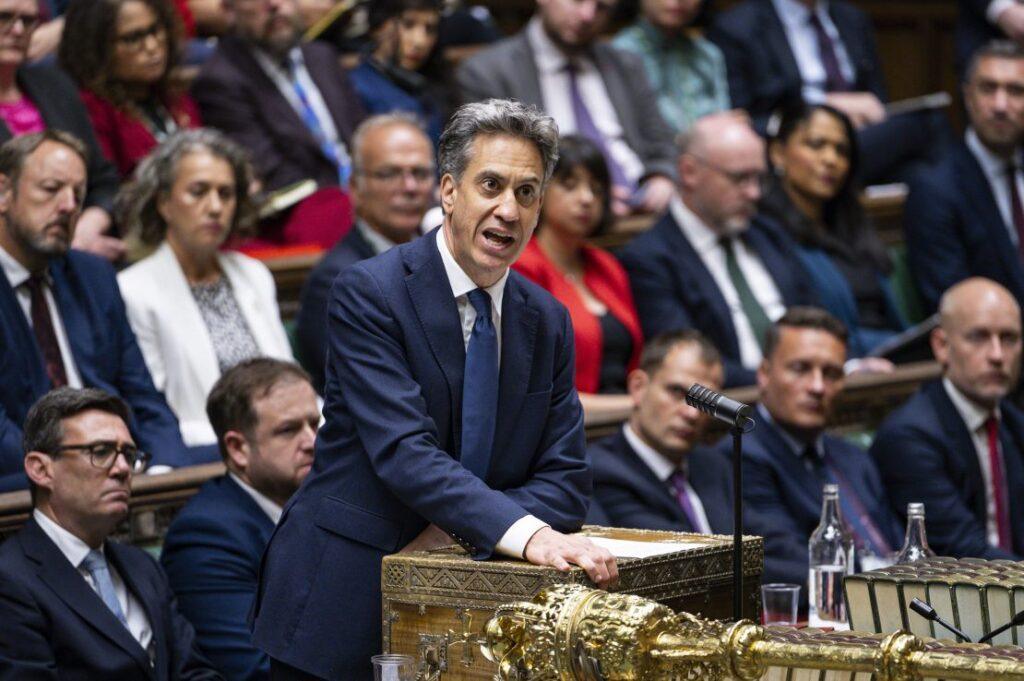
Ed Miliband has declared that the government intends to implement sanctions against companies and individuals who support settlements on Palestinian territory. This announcement marks a significant step in the UK’s stance towards the ongoing conflict and the complexities surrounding land ownership in the region.
Government’s Stance on Settlements
The move to impose sanctions highlights the government’s commitment to addressing issues related to the Israeli-Palestinian conflict, particularly concerning the legality and ethical implications of settlement activities. By targeting those who financially support these settlements, the government aims to discourage practices viewed as contrary to international law and detrimental to peace efforts in the region.
Miliband’s announcement is part of a broader strategy to ensure that the UK plays a proactive role in promoting stability and justice in the Middle East. As discussions around human rights and international law continue to evolve, the government’s actions reflect its intention to align with global standards and expectations.
Implications for Business and Trade
This new policy could have far-reaching consequences for businesses operating within the UK and abroad. Companies that have previously engaged in or supported settlement activities may find themselves facing financial penalties or restrictions. This could lead to a reassessment of their operations and partnerships in the region.
Moreover, the sanctions may prompt businesses to enhance their due diligence processes, ensuring they do not inadvertently contribute to activities that could be deemed controversial or illegal. The impact on trade relations, particularly with countries in the Middle East, will also be closely monitored as the government navigates this sensitive landscape.
Future of UK Foreign Policy
The introduction of these sanctions signals a potential shift in the UK’s foreign policy approach. Observers will be keen to see how this decision influences the country’s diplomatic relations and its role in international discussions surrounding the Israeli-Palestinian conflict.
As the government moves forward with these measures, it will be essential to strike a balance between asserting its position on human rights and maintaining constructive dialogue with key partners in the region. The effectiveness of these sanctions in fostering meaningful change remains to be seen, but they undoubtedly represent a notable development in the UK’s engagement with complex global issues.



More Stories
City Lawyer Denies Insider Dealing Charges in Court
Four Interest Rate Increases on the Horizon Amid Unexpected Economic Growth
Fritz Alleges Wilson Misled Players Over US Open Equipment