
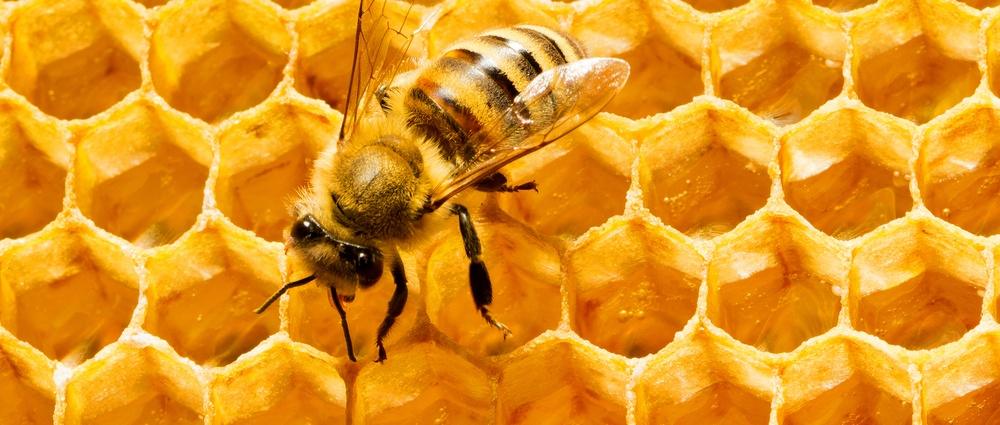
The Vital Role of Bees in Ecosystems
Bees play an indispensable role in maintaining human health and wellbeing, significantly contributing to crop pollination, enhancing air quality, and ensuring food stability. While they may be unwelcome guests at our picnics, their importance to our environment cannot be overstated. As we delve deeper into their fascinating behaviours, it becomes clear that these small insects are crucial to our survival.
From the first buzz of bumblebees in spring to the circular holes in leaves created by leafcutter bees, these enchanting creatures have long piqued human interest. According to experts, “Bees are incredibly important for the pollination of our crops and wildflowers, alongside other wild pollinators such as moths and hoverflies,” remarks Bleet, an advocate for bee conservation.
By transferring pollen among flowers, bees facilitate the fertilisation process, enabling plants to reproduce and expand. Astonishingly, a staggering 85-95% of the UK’s insect-pollinated crops are reliant on wild pollinators, with wild bees constituting the largest segment of this group. Managed honeybees, which humans keep in hives, contribute significantly as well, pollinating the remaining 5-15% of crops.
The Decline of Bee Populations
Despite their importance, the plight of bees is alarming, as there is a noticeable decline in their populations. Habitat loss—resulting from urban development and agricultural expansion—has led to fewer flowering plants, nesting sites, and wintering habitats. Bleet points out that other detrimental factors, particularly the use of insecticides like neonicotinoids, have further exacerbated the situation.
The implications of declining bee populations extend beyond environmental concerns; they directly impact human health. Bees contribute significantly to food security, with pollination enhancing the diversity of crops we rely on for nutrition. This includes not just fruits and vegetables but also nuts, grains, and other staples that form the basis of many diets. Experts warn that a decline in bee numbers could destabilise global food supplies, leading to precarious distribution and access to essential resources.
In economic terms, the pollination services provided by bees and other insects are valued at approximately £690 million annually in the UK. The loss of these services could lead to the adoption of more costly farming practices, which would have a detrimental effect on both local and global economies.
The Importance of Wildflowers and Biodiversity
Bees do not only assist in the pollination of crops; they are also vital for the reproduction of wildflowers, which in turn sustain countless other species within the ecosystem. A healthy environment, bolstered by a thriving bee population, is essential for meeting many human needs. This interconnectedness highlights the importance of preserving bee habitats and supporting their populations.
Beyond their agricultural contributions, bees produce honey, which is often touted for its potential health benefits due to its antioxidant, anti-inflammatory, and antimicrobial properties. However, it is essential to approach claims about honey cautiously; it should not be considered a significant source of nutrients when consumed in the amounts recommended by health authorities.
Supporting Bee Populations
While the challenges facing bee populations are daunting, small individual actions can collectively lead to a significant impact. Bleet encourages people to learn more about how they can contribute to bee conservation efforts. Resources such as the Wildlife Trust’s practical tips can offer guidance on how to create bee-friendly environments.
In conclusion, the health of bee populations is intertwined with human wellbeing, affecting everything from food security to environmental stability. Increased awareness and proactive measures can help protect these vital creatures, ensuring that they continue to thrive and support the ecosystems upon which we all depend.



More Stories
Discover the Scandinavian Sleep Method: Can Separate Duvets Enhance Your Sleep Quality?
Essential Eye Safety Tips for Halloween and Bonfire Night: Protect Your Vision This Spooky Season
7 Wholesome Halloween Treats to Enjoy Guilt-Free