
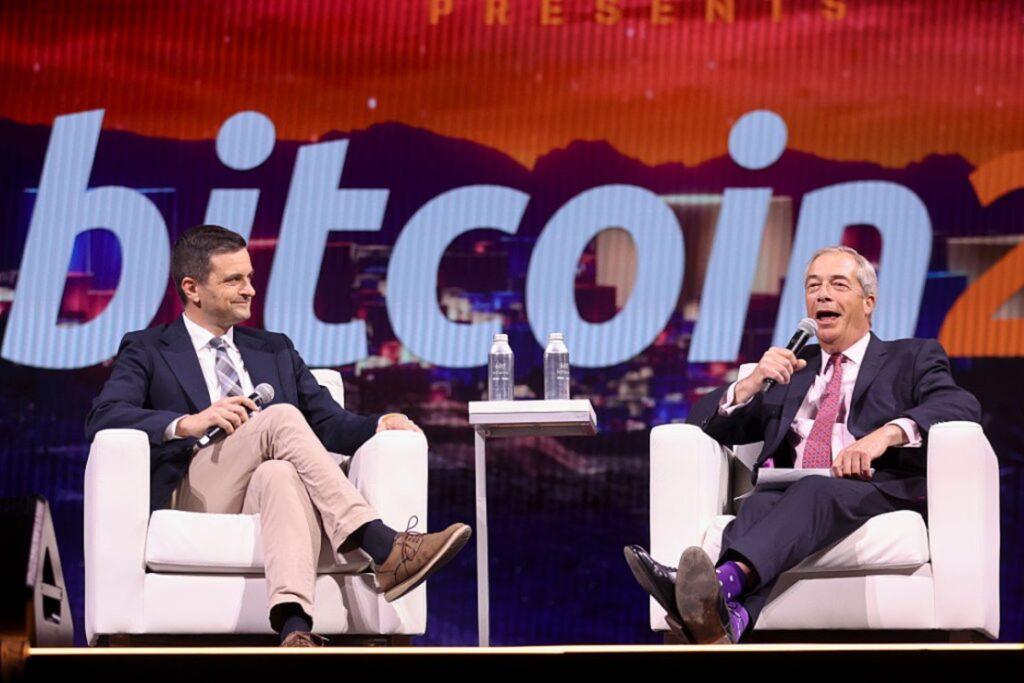
In a significant move, the government has opted to distance itself from the cryptocurrency sector, a decision driven by public discontent following revelations regarding a substantial £5 million donation made to Nigel Farage by a prominent figure in the bitcoin community. This development has sparked a broader discussion about the relationship between politics and the rapidly evolving world of digital currencies.
Government’s Shift in Stance Towards Cryptocurrency
The recent decision to deprioritise the crypto industry comes amid growing scrutiny of the sector’s influence on political figures and financial regulations. The backlash against Farage’s substantial donation has highlighted concerns over transparency and the potential for cryptocurrencies to impact political integrity. The government appears to be responding to these concerns by implementing a more cautious approach to engagement with the cryptocurrency sector.
Critics argue that sidelining the crypto industry could stifle innovation and economic growth, particularly as many countries are exploring ways to integrate digital currencies into their financial systems. Proponents of cryptocurrency contend that it has the potential to revolutionise finance, offering opportunities for investment and economic inclusion. However, the government’s recent stance suggests a prioritisation of regulatory frameworks to ensure consumer protection and financial stability.
Implications for the Future of Digital Currencies
The implications of this decision are manifold, particularly for businesses operating within the crypto space. As regulatory scrutiny increases, firms may find it more challenging to navigate the evolving landscape. This could result in a slowdown of investment and innovation as companies adapt to new requirements and seek to maintain compliance.
Conversely, the move could also pave the way for clearer regulations that may ultimately benefit the industry. A structured regulatory environment could enhance consumer confidence and foster a more secure market, which might attract institutional investment in the long run. Stakeholders within the cryptocurrency sector will undoubtedly be watching the government’s next steps closely, as they could significantly shape the future of digital finance in the UK.
The Broader Context of Political Donations
This situation has also reignited discussions about the ethics of political donations, especially from individuals associated with emerging industries like cryptocurrency. The substantial nature of Farage’s donation has raised questions about the potential influence of wealthy donors on political decisions and the integrity of the democratic process. The government’s response may serve as a pivotal moment in establishing guidelines that govern such contributions, particularly from sectors that are still finding their footing in the regulatory landscape.
As the political and financial worlds continue to intersect, the decisions made by lawmakers will play a crucial role in shaping the future of both industries. The ongoing dialogue surrounding cryptocurrency and political donations will likely remain a focal point as stakeholders seek to balance innovation with accountability.




More Stories
Explore Cristiano Ronaldo’s Stunning £20 Million Car Collection: A Look Inside His Luxurious Rides
Euro 2028 Hospitality: Guaranteed Refunds on Tickets if England Underperform, Plus No Dynamic Pricing!
Jamie Vardy Secures Bundesliga Streaming Rights, Intensifying Battle with Neville and Lineker