
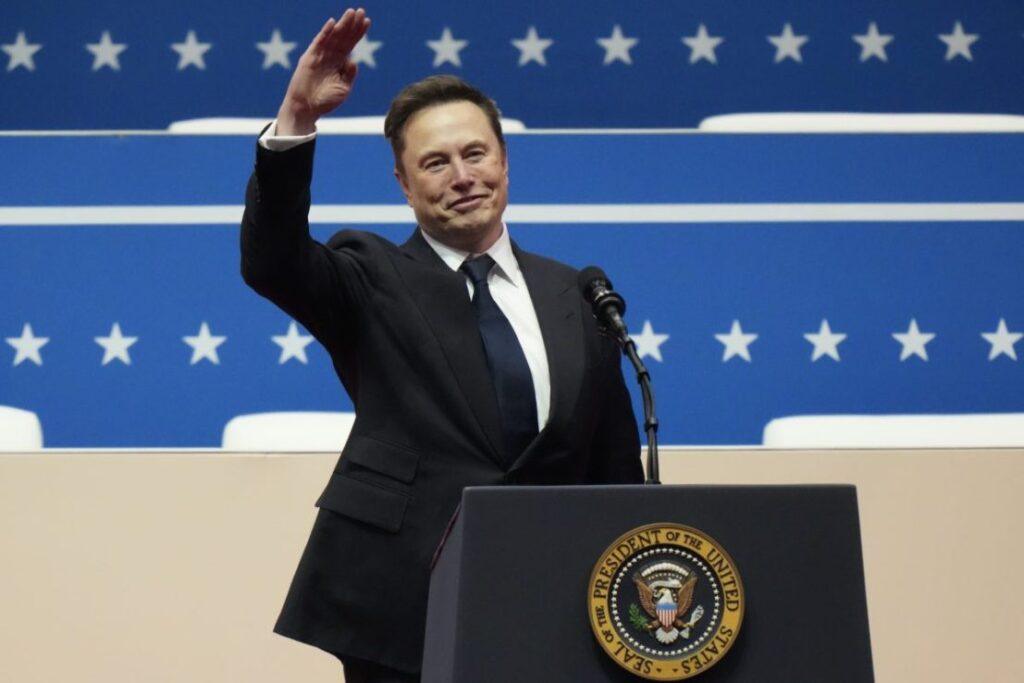
In a significant shift from its historical roots, the concept of universal basic income (UBI) has garnered unexpected backing from figures within Silicon Valley. Once primarily championed by left-wing economists, the idea has gained traction among some of the tech industry’s most influential leaders, particularly as the rise of artificial intelligence (AI) poses a threat to job security across various sectors.
Silicon Valley’s Evolving Perspective
The landscape of work is undergoing a dramatic transformation, with AI technologies increasingly capable of performing tasks that were once the preserve of human workers. This has led to widespread concern about the future of employment, prompting a re-evaluation of economic safety nets. Among the tech elite, there is a growing recognition that UBI could serve as a viable solution to the potential displacement of workers caused by automation.
Prominent figures, including Elon Musk, have publicly expressed their support for UBI, advocating for a system that would provide individuals with a regular, unconditional payment to ensure their basic needs are met. Musk’s endorsement is particularly notable given his position at the forefront of technological innovation and his influence within the industry. His perspective reflects a broader sentiment among tech entrepreneurs who recognise the societal challenges posed by rapid advancements in AI.
Addressing Economic Disparities
The increasing automation of jobs raises questions about income inequality and economic stability. As machines take on more roles traditionally filled by humans, the fear is that a significant portion of the workforce could find themselves without stable employment. This potential scenario has led to discussions about the need for new economic frameworks that can adapt to the realities of a changing job market.
Supporters of UBI argue that it could alleviate financial stress for individuals while also stimulating the economy by providing people with the means to spend on goods and services. This injection of cash could, in turn, help support businesses and create new opportunities, countering some of the negative impacts of job losses due to technological advancement.
Challenges and Considerations
Despite the growing interest in universal basic income, implementing such a system is fraught with challenges. Critics often raise concerns about the sustainability of funding UBI, questioning whether governments can maintain such a programme in the long term. Additionally, there are debates regarding the potential impact on work ethic and motivation, with some arguing that guaranteed income may disincentivise individuals from seeking employment.
Nevertheless, proponents are keen to explore various models and funding mechanisms, advocating for pilot programmes to test the efficacy of UBI in real-world scenarios. As discussions continue, the intersection of technology and economics remains a pivotal area of focus, with the future of work and the role of UBI at the forefront of these conversations.




More Stories
Tories Caution Burnham Against Succumbing to Left-Wing Pressure Over Bank Tax Raid
London Property Listings Plummet to Lowest Levels Since 2023
Healey Urged to Reduce Employment Taxes and Energy Costs to Stimulate Business Growth