
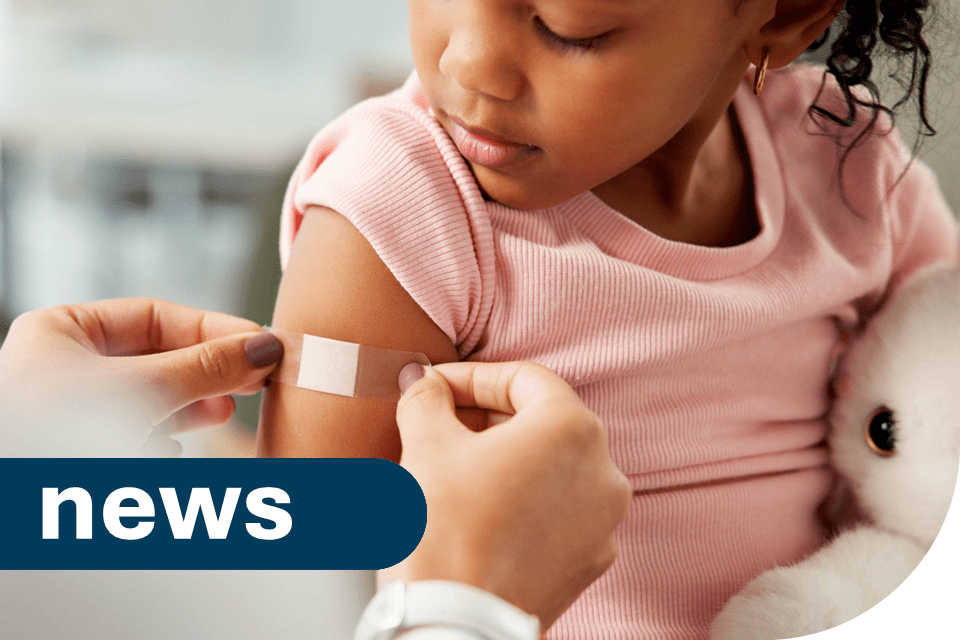
The most recent annual data on childhood vaccinations, covering the period from 2025 to March 2026, has been released by the UK Health Security Agency (UKHSA). This data indicates that the uptake of essential vaccines included in the NHS childhood vaccination schedule for children by the age of five is beginning to stabilise, following a decade-long gradual decline in England.
Despite these stabilisation signs, the UKHSA has issued a cautionary note, highlighting that current vaccination rates remain significantly below the World Health Organization’s (WHO) target of 95%. Alarmingly, the uptake rates for vaccinations among children at the ages of one and two have decreased for all vaccines. High vaccination coverage is crucial to prevent outbreaks and curb the transmission of serious infections, such as measles, which is particularly contagious in closed environments like schools.
Importance of Timely Vaccination
The UKHSA is urging parents to ensure their children receive vaccinations at the appropriate times, as this is vital for protecting them during their most vulnerable periods and preparing them for a successful start in nursery and primary school.
According to the latest figures, vaccination rates for children entering primary school have remained stable over the past three years. For instance, the uptake of two doses of the MMR vaccine at age five stands at 83.8% for the 2025-26 period, slightly down from 83.9% in 2023-24. The 6-in-1 vaccine, which covers diphtheria, whooping cough, and polio, shows a similar trend with an uptake of 92.9% last year compared to 92.6% the previous year.
Government Initiatives to Encourage Uptake
This stabilisation in vaccination rates for five-year-olds can be attributed to the NHS’s catch-up initiatives over the past year, alongside other contributing factors. A new government campaign aimed at childhood vaccinations was launched in February 2026, in collaboration with NHS England and UKHSA, to reverse the decline in uptake by providing clear and trustworthy information while making vaccine access easier for families.
Despite these efforts, the 4-in-1 pre-school booster, administered from three years and four months, continues to have the lowest uptake rate. However, there has been a positive increase of 0.6%, rising from 81.3% to 81.9% for the 2025-26 period, although it is premature to ascertain whether this marks the beginning of a broader upward trend.
Challenges in Meeting Vaccination Targets
While the UK boasts a comprehensive and effective NHS childhood vaccination programme, the gradual decline in uptake over the past decade has resulted in none of the vaccines meeting the WHO’s 95% target. Even with approximately 90% uptake, thousands of children remain unprotected each year, accumulating a significant risk of serious diseases among hundreds of thousands of school-aged children.
Dr Mary Ramsay, Director of Immunisation at the UK Health Security Agency, remarked on the current situation: “It is encouraging that we are seeing some signs of the childhood vaccination programme stabilising, but we have a long way to go before all children are fully protected at the right time when they are most vulnerable to a number of serious diseases.”
Encouraging Parental Engagement
Dr Ramsay emphasised that parents inherently wish to do what is best for their children, and many trust NHS childhood vaccines, which prevent tens of thousands of hospitalisations each year. She pointed out how easily forgotten the severe consequences of diseases like measles and diphtheria were before the advent of these vaccines. “No child today in this country should have to suffer a disease that is so easily preventable,” she stated, urging parents to verify their children’s vaccination status and to contact their GP practice if any vaccinations are overdue. It is never too late to catch up on most childhood vaccines.
Vaccines are provided free of charge through the NHS, beginning from eight weeks of age, with boosters and additional doses available throughout childhood and adolescence. For children who have missed any vaccinations, catch-up appointments can be arranged via GP practices and school programmes.
New Additions to the Vaccination Schedule
As of 1 January this year, the NHS has introduced a new vaccine into the routine childhood vaccination programme aimed at protecting against chickenpox. The combined MMRV vaccination offers additional protection against chickenpox, with two doses providing long-lasting immunity against four serious diseases: measles, mumps, rubella, and chickenpox (also known as varicella).
Today’s figures reflect the collaborative efforts of NHS England and regional Integrated Care Systems (ICS), which have continued to promote childhood vaccinations by facilitating easier access, including extra clinics, catch-up opportunities in schools, and targeted outreach projects to address low uptake areas across the UK.
It is noteworthy that vaccination coverage for children varies significantly across different regions, with the lowest rates consistently observed in London. For the most recent data on vaccine-preventable diseases, the UKHSA Dashboard is a valuable resource.
Further information regarding vaccinations is available at the official NHS website.



More Stories
Latest Update on Salmonella Outbreak: What You Need to Know
Derby Builder Jailed for Fraudulent Trading After Devastating Homes of Victims
David Dinsmore Steps Down as Permanent Secretary for Government Communications