
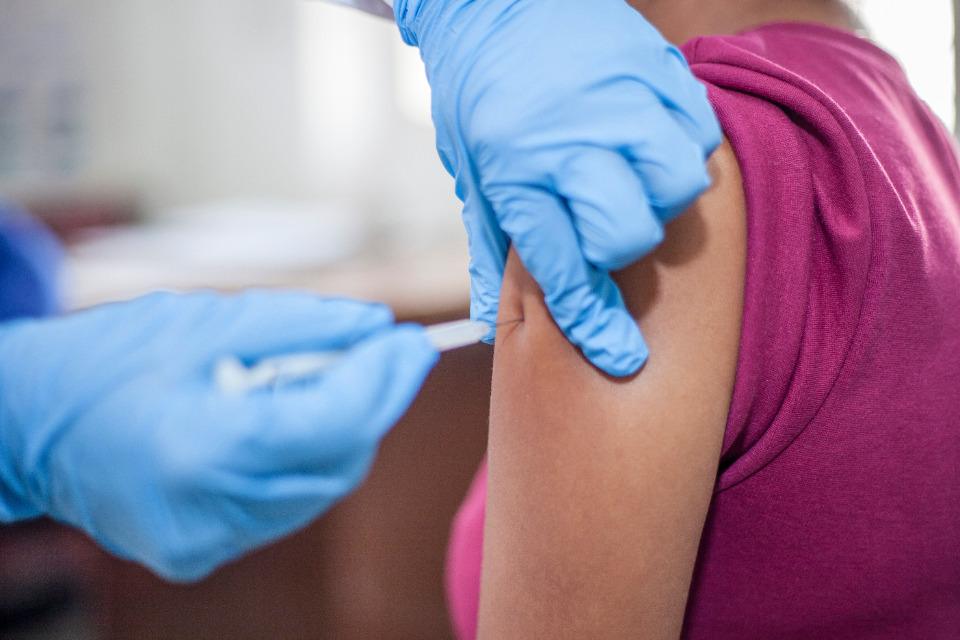
Vaccination stands as one of the most effective and safest methods to guard against numerous serious infectious diseases. Dr Alison Cave, the Chief Safety Officer at the Medicines and Healthcare products Regulatory Agency (MHRA), has reiterated the importance of vaccines in safeguarding public health.
Clarifying Misconceptions About Vaccines
Dr Cave remarked, “Numerous extensive and well-executed studies involving millions of children across the globe have consistently found no evidence linking vaccines to autism.” She noted that vaccination continues to be the foremost approach to prevent serious and potentially life-threatening illnesses, a statement supported by decades of scientific evidence both within the UK and internationally.
The NHS, along with all significant public health and paediatric organisations in the UK, endorses the benefits of vaccination as part of the recommended routine childhood vaccination schedule. Dr Cave emphasised that “all vaccines authorised for use in the UK undergo meticulous evaluations of their safety, quality, and efficacy. Following their approval, we maintain rigorous safety monitoring through comprehensive surveillance systems, analysis of real-world data, and international research.”
Parents are encouraged to adhere to NHS vaccination guidance and consult healthcare professionals if they have any queries. Dr Cave highlighted, “Patient safety is our utmost priority, and we urge anyone to report any suspected side effects through the MHRA Yellow Card scheme.”
The Global Consensus on Childhood Vaccination
Childhood vaccination is recommended by the NHS, the World Health Organization, and public health authorities around the world as the most effective means of protecting children from serious infectious diseases. Prior to approval, every vaccine undergoes thorough independent assessment by the MHRA to ensure compliance with stringent safety, quality, and efficacy standards.
The UK childhood vaccination schedule is informed by evidence-based recommendations from the Joint Committee on Vaccination and Immunisation (JCVI), supported by clinical guidance from the NHS. Several large-scale international studies, including national registry and sibling-controlled studies, have shown no link between vaccines and autism in children.
A notable study involving 2.56 million children in the United States found no association between the MMR (measles, mumps, and rubella) vaccination before the age of two and the development of childhood autism. Furthermore, a significant meta-analysis encompassing data from over 1.26 million children in cohort studies and nearly 10,000 children in case-control studies also found no correlation between vaccination and autism spectrum disorders.
Understanding Vaccine Components and Safety
Some vaccines include substances known as adjuvants, which enhance the immune response to the vaccine. Aluminium is a commonly used adjuvant, though it is not present in the MMR vaccine. A recent large-scale investigation revealed no evidence to suggest an increased risk for neurodevelopmental disorders, including autism, associated with early childhood exposure to aluminium-containing vaccines.
The MHRA has released a vaccine safety patient factsheet designed to provide both patients and the public with clear, accessible, and evidence-based information regarding the functionality of vaccines and the assurance of their safety. Additionally, a meningitis patient factsheet has been developed to help individuals understand the disease, recognise its potentially urgent symptoms, and learn about the role and safety of vaccination in its prevention.
Ongoing Monitoring and Public Engagement
The MHRA engages in continuous safety surveillance through the Yellow Card scheme, the analysis of substantial healthcare datasets, and the review of international safety data, supported by ongoing evaluation from independent scientific experts. Should new evidence suggest a change in vaccine safety, the MHRA is committed to promptly updating guidance and information for both healthcare professionals and the public.
Parents and caregivers are urged to continue following NHS vaccination guidelines to protect children from preventable diseases such as measles, meningitis, and whooping cough. Members of the public, along with healthcare professionals, are encouraged to report any suspected adverse effects from medicines and vaccines using the MHRA’s Yellow Card scheme.
The MHRA is tasked with regulating all medicines and medical devices within the UK, ensuring they are effective and acceptably safe. This work is anchored in robust, evidence-based assessments to ensure that the benefits of vaccines outweigh any potential risks. The MHRA operates as an executive agency of the Department of Health and Social Care.
For media inquiries, please reach out via email at newscentre@mhra.gov.uk or call 020 3080 7651.




More Stories
Wes Streeting Delivers Keynote Address at the Centre for Strategic and International Studies
Decommissioning Calder Hall: The Historic Journey of the World’s First Commercial Nuclear Power Station
Unveiling the UK’s Arctic Policy Framework: Minister Kumaran’s Keynote Address