
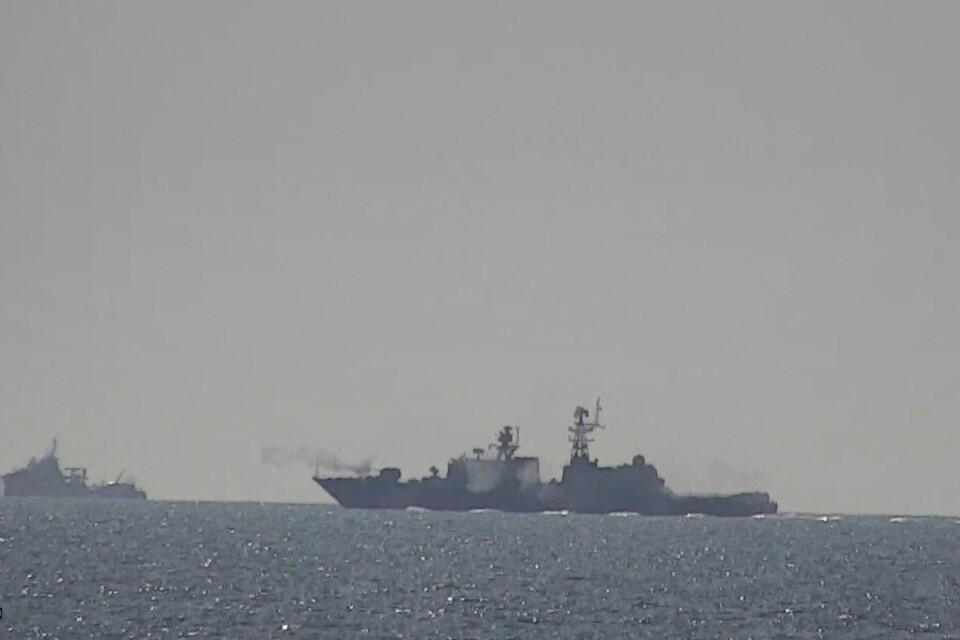
Maritime operations aimed at monitoring Russian activity in UK waters and the North Atlantic have seen a marked increase of 25% during the first seven months of this year. Recent figures reveal that the Royal Navy has conducted extensive operations over 21 days in July, deploying four warships and naval helicopters to ensure the safety of British waters.
The ships involved include HMS Somerset, HMS Tyne, HMS Mersey, and HMS Severn, all of which were supported by Wildcat helicopters from 815 Naval Air Squadron and Merlin aircraft specifically designed for submarine detection. These assets were tasked with tracking the movements of Russian naval vessels throughout the month.
Increased Naval Presence in Response to Russian Activities
A prominent focus has been on the Russian frigate RFN Neustrashimy, which has frequently traversed the UK’s area of responsibility to escort shadow fleet tankers through recognised shipping lanes. This activity has consumed substantial operational resources as British forces remain vigilant in monitoring these cargo movements.
The uptick in Royal Navy operations comes in the wake of the UK’s successful interdiction of a sanctioned shadow fleet oil tanker, Smyrtos, in the English Channel in June. Overall, the UK’s efforts to monitor Russian activities have intensified by 25% compared to the same period last year, reflecting a proactive stance in safeguarding maritime security.
As a leader in addressing the shadow fleet, the UK has imposed sanctions on over 500 vessels, contributing to a significant 24% year-on-year decline in Russia’s oil and gas revenues in 2025. By disrupting these illicit operations, the UK and its international partners are directly undermining the resources that fuel Russia’s aggression in Ukraine and diminishing its capacity to pose threats to security across Europe and beyond.
Operational Highlights from July
HMS Tyne was on duty when the RFN Neustrashimy conducted gunnery exercises just outside UK and French territorial waters on 20 July. The ship maintained a distance of five nautical miles during the incident, gathering critical intelligence as the Russian warship fired approximately 20 rounds from its main 100mm armament and a further 30 from its 30mm battery.
Lieutenant Commander Sam Fields, Commanding Officer of HMS Tyne, remarked on the ship’s role: “Through sustained presence and close cooperation with allies, HMS Tyne was ideally suited to this task, providing reassurance and monitoring while enabling other Fleet units to continue their operational commitments.”
Meanwhile, the Type 23 frigate HMS Somerset undertook a comprehensive four-month deployment focused on monitoring both surface and subsurface activities in the North Atlantic. This mission plays a crucial part in the UK’s ongoing efforts to protect its nuclear deterrent and observe potential submarine movements.
Successful Returns and Future Readiness
HMS Somerset, equipped with an advanced suite of underwater sensors and an embarked Merlin anti-submarine warfare helicopter from 814 Naval Air Squadron, returned to port on 7 August after completing over 24,000 nautical miles across the North Atlantic. Commander Matt Millyard, the ship’s Commanding Officer, expressed pride in the crew’s achievements over the deployment, stating, “This deployment demonstrates exactly what the Royal Navy exists to do, protect the UK and our allies from wherever our interests are threatened.”
HMS Severn also played a vital role in July, being activated twice to shadow Russian warships, including the RFN Admiral Grigorovich. The patrol ship undertook a three-day mission from 23 to 26 July to intercept and monitor Neustrashimy, taking over surveillance duties in the North Sea from HMS Mersey.
Lieutenant Commander Dom Jacobs, Executive Officer in Temporary Command of HMS Severn, highlighted the adaptability of his crew: “I’m really proud of my ship’s company’s ability to adapt quickly to changes of tasking. This shows the versatility of my crew and the other OPVs to deliver a range of tasks demonstrating our continued relevance and operational value.”




More Stories
UK Prime Minister to Hold Key Talks with President Zelenskyy of Ukraine on 14 October 2026
Government Launches Ambitious Initiative to Restore Churches and Revitalise Heritage Buildings Across England
UK Government Allocates Funds for Vital Repairs to Chornobyl Nuclear Power Plant Following Russian Drone Strike