
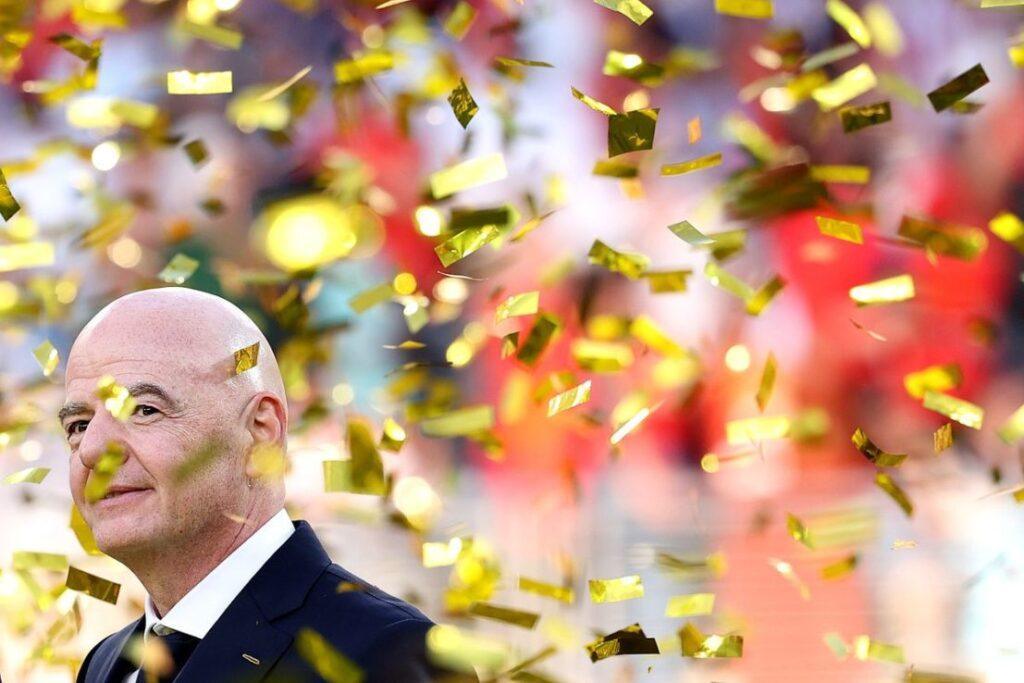
Mexico’s football association has defied expectations, casting doubt on the aspirations of Uefa and its allies to remove the beleaguered Fifa president, Gianni Infantino, from his position. This unexpected move highlights the complexities of global football governance and the various interests at play within the sport.
Mexico’s Unexpected Support for Infantino
In a significant development, the Mexican football federation’s stance has underscored the challenges faced by those seeking to unseat Infantino. As tensions rise among football’s governing bodies, Mexico’s decision to support the current leadership could shift the balance of power within Fifa. This endorsement not only reinforces Infantino’s position but also signals a fracture in the unified front that Uefa appeared to be presenting against him.
The implications of this support are profound, particularly as it may influence other associations’ positions regarding Infantino’s presidency. With the upcoming elections and various governance issues looming, Mexico’s backing could embolden Infantino’s supporters and complicate Uefa’s strategy to challenge his leadership effectively.
Context of the Ongoing Power Struggle
The backdrop to this scenario involves a series of controversies surrounding Infantino’s tenure, which has faced scrutiny from numerous quarters, including allegations of mismanagement and a lack of transparency. Uefa, alongside several other football associations, has previously voiced concerns and sought reforms within Fifa, aiming for a more accountable and transparent leadership.
However, the steadfast support from Mexico highlights a divergent viewpoint within the global football community. It raises questions about the effectiveness of Uefa’s campaign against Infantino and whether other nations might follow Mexico’s lead, thereby complicating the landscape of football governance.
The Future of Football Governance
As the situation unfolds, the ramifications for both Fifa and Uefa could be significant. If Infantino manages to secure enough support from various football associations, he may solidify his position and continue to implement his agenda, which has included various reforms and initiatives aimed at expanding the global reach of the sport.
This episode not only reflects the ongoing power struggles within football but also highlights the diverse interests of different nations, particularly as they navigate their relationships with major governing bodies. The coming months will be crucial in determining the future of football governance and the potential for reforms that many stakeholders are advocating for.
Conclusion: A Turning Point for Global Football
In conclusion, Mexico’s bold move to support Gianni Infantino amidst growing discontent from Uefa signifies a pivotal moment in the ongoing discourse surrounding football governance. As the international football community watches closely, the next steps taken by both Fifa and Uefa will undoubtedly shape the future of the sport on a global scale. The interplay of alliances and oppositions will be fundamental in determining how football evolves in the years to come.




More Stories
OpenAI and Anthropic Called to Parliament Over Concerns that UK AI Regulations Are ‘Not Fit for the Future’
Rothschild Supports Initiative to Bring Formula 1 Racing to South Africa
London Sees Surge in Record Fees from International Demand for Legal Services