
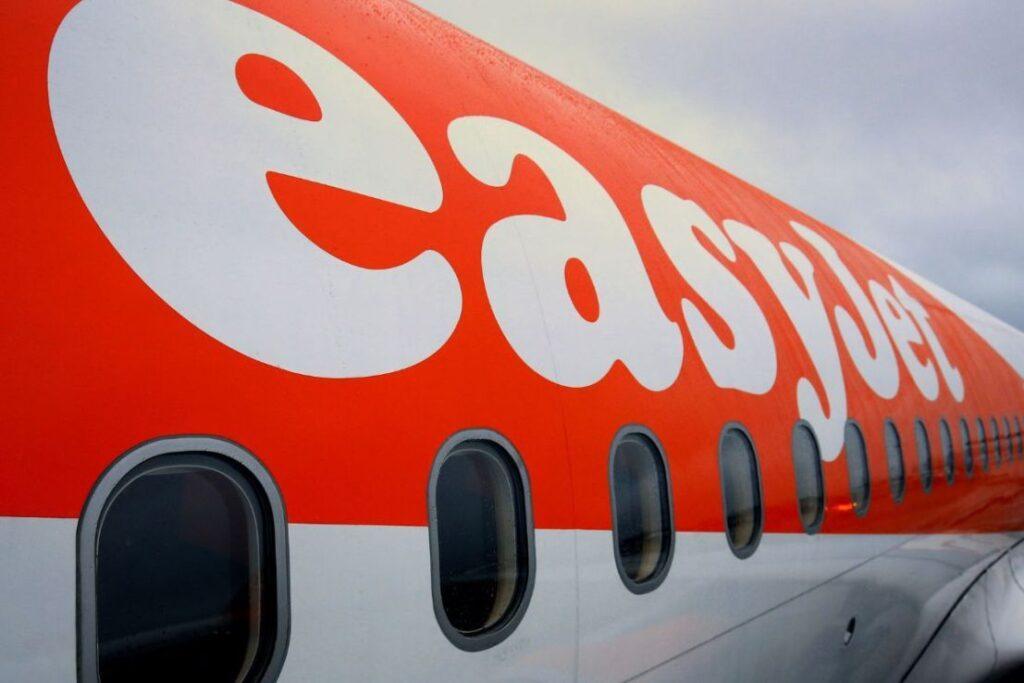
Apollo Global Management has advanced in its pursuit of EasyJet following the withdrawal of competing bidder Castlelake from the acquisition process. This development signifies a pivotal moment in the ongoing negotiations concerning the low-cost airline, which has faced a challenging economic landscape in recent years.
Implications of Castlelake’s Withdrawal
The exit of Castlelake leaves Apollo as the sole bidder, creating a clearer path for the investment firm to secure a controlling interest in EasyJet. Analysts suggest that Castlelake’s decision to step back may have been influenced by the complexities surrounding the airline’s operational recovery post-pandemic and the volatile market conditions affecting the travel industry. This shift in the competitive landscape could enable Apollo to negotiate more favourable terms as it seeks to take the helm of the airline.
The Future of EasyJet
With Apollo now positioned as the leading contender, questions arise regarding the strategic direction the investment firm may take if successful. Industry experts speculate that Apollo could implement significant changes aimed at revitalising EasyJet’s performance, especially in light of ongoing challenges such as rising fuel costs and shifting consumer preferences. The potential for new management strategies may invigorate the airline’s operational model, ultimately benefiting shareholders and customers alike.
Market Reactions
Following the announcement of Castlelake’s withdrawal, shares in EasyJet experienced a notable uptick, reflecting investor optimism regarding Apollo’s intentions. The market appears to view the move as a sign of stability amidst uncertainty, with many hoping that a successful acquisition will enable a stronger recovery trajectory for the airline. Stakeholders are now keenly observing the next steps in the negotiation process as Apollo seeks to solidify its position.
Broader Context of Airline Acquisitions
This development is part of a larger trend in the aviation sector, where consolidation has become increasingly prevalent as companies aim to improve resilience against market fluctuations. The competitive pressures and financial strains faced by airlines have prompted a wave of mergers and acquisitions, with firms like Apollo looking to capitalise on opportunities to expand their portfolios. EasyJet’s situation represents a microcosm of these broader industry dynamics, highlighting the challenges and potential rewards associated with airline investments.




More Stories
City Firms Introduce Communication Bootcamps for Gen Z Lawyers: Mastering Phone and Face-to-Face Skills
Xenom: Tech Moguls Launch Hybrid Hyrox and CrossFit Experience in London
Universal Basic Income: Why It Won’t Be the Solution to the AI Job Crisis