
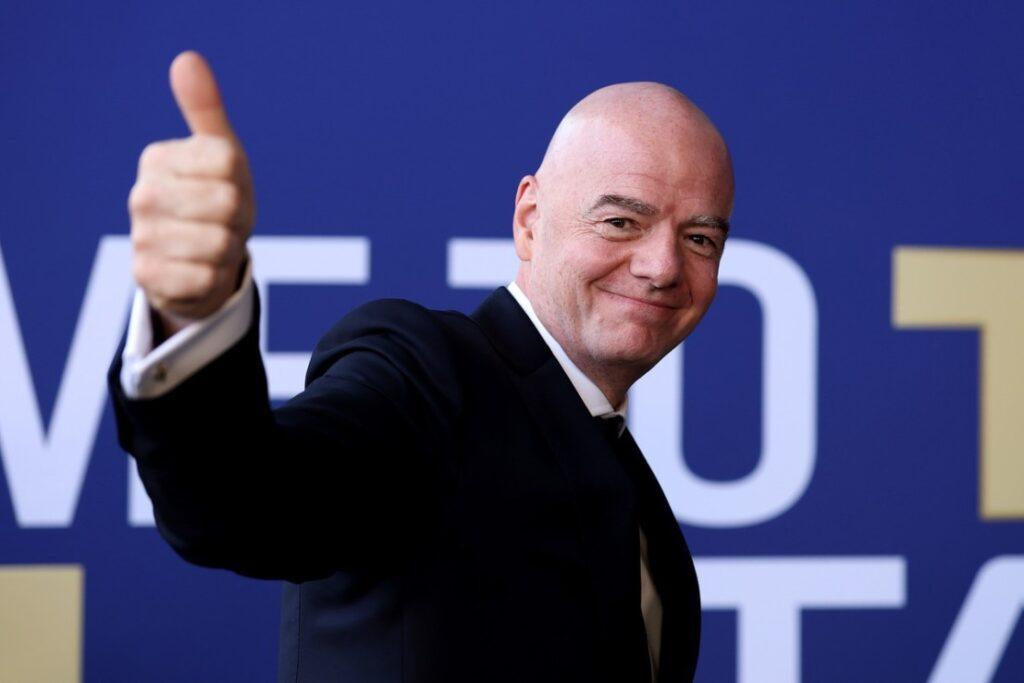
FIFA remains resolute in its intention to pursue the sale of stakes in a newly established $20 billion investment vehicle, despite the unanimous decision by UEFA nations to boycott the upcoming World Cup. This development reflects a significant rift between the governing body of world football and the European football associations.
FIFA’s Strategic Move Amidst Controversy
The controversy surrounding FIFA’s financial strategy comes at a time of heightened tensions within the sport. The proposed investment vehicle is seen as a way for FIFA to generate substantial revenue, a move that has drawn criticism from various quarters. The refusal to reconsider this plan, even in light of the UEFA nations’ boycott, underscores FIFA’s commitment to its financial ambitions, which some critics argue could overshadow the sport’s integrity.
With the World Cup on the horizon, the stakes have never been higher. FIFA, led by President Gianni Infantino, is navigating a complex landscape where financial interests clash with the foundational values of football. The decision to push ahead with the sale of stakes in this new venture raises questions about the future of the tournament and its reception among fans and players alike.
Implications for the World Cup and Football at Large
The implications of this decision could be far-reaching. If UEFA nations follow through with their boycott, it could significantly impact the tournament’s competitive balance and overall appeal. A World Cup without key European teams would not only diminish the quality of play but also affect television ratings and global viewership, thereby undermining FIFA’s financial projections.
The tension between FIFA’s financial aspirations and the desires of national federations could lead to a pivotal moment in the governance of football. As stakeholders from various regions voice their concerns, the possibility of a broader reformation in the sport’s governance structure may arise, challenging FIFA’s long-standing authority.
The Role of Public Opinion and Stakeholder Engagement
Public sentiment is increasingly becoming a critical factor in the decision-making processes of sports governing bodies. The backlash from fans and players alike could prompt FIFA to reconsider its approach. Engaging with stakeholders, including national federations and fans, may be essential for FIFA to regain trust and ensure the long-term sustainability of the World Cup and its associated events.
As the situation develops, all eyes will be on FIFA to see if they can reconcile their ambitious plans with the expectations of the football community. The coming months will be crucial in determining the trajectory of the sport and the potential for reform that could reshape its future.




More Stories
Nscale Prepares for $35 Billion US Stock Market Debut
Labour’s Mansion Tax Set to Impact Homes Valued at £1.5 Million
UK Tycoons Sound the Alarm on Deteriorating Economic Conditions