
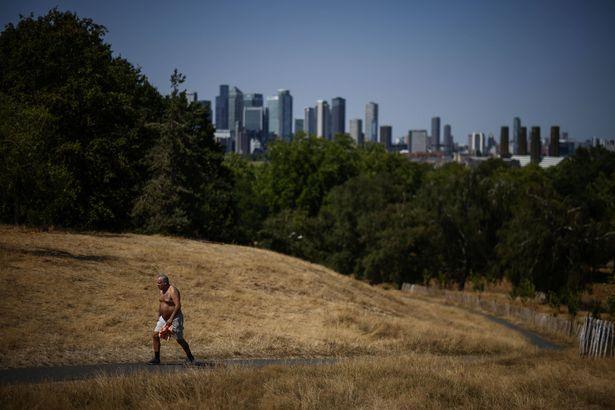
The Environment Agency has issued a ‘flash drought’ alert for London and seven additional regions in central, eastern, and southern England, coinciding with the fourth heatwave of the year. The areas impacted encompass London, East Anglia, Hertfordshire, Thames Valley, Hampshire and the Isle of Wight, Devon and Cornwall, the West Midlands, and Wessex. This flash drought has arisen rapidly, despite a notably wet winter, following a dry spring and summer, compounded by a succession of record-breaking heatwaves in May and June. This development marks the second successive summer drought, with three droughts recorded over the past five years. Water Minister Emma Hardy has cautioned that droughts are becoming increasingly prevalent, a trend attributed to climate change. In response, the government is investing in new infrastructure, including the construction of nine new reservoirs, to adapt to this ‘new normal.’
Understanding Drought: Types and Impacts
A drought is characterised as a natural period of drier-than-usual conditions, typically defined by insufficient rainfall, often accompanied by elevated temperatures. The UK Environment Agency outlines three prevalent types of drought: Agricultural Drought, which occurs when there is inadequate rainfall and soil moisture to support agricultural production or practices such as spray irrigation; Environmental Drought, where insufficient rainfall adversely affects the environment and ecology; and Water Supply Drought, which raises concerns among water companies regarding supply adequacy for their customers. The agency determines the occurrence of a drought by monitoring various indicators, including rainfall, river flows, groundwater levels, and reservoir capacities.
The economic repercussions of droughts can be substantial, manifesting in crop failures or diminished crop yields, which place additional strain on supply chains and may contribute to food shortages and price inflation. The depletion of water resources also poses a significant risk to livestock health, further exacerbating challenges for farmers. Moreover, the presence of dry grassland heightens the danger of wildfires, threatening human, animal, and plant life, and potentially leading to the destruction of homes and businesses if not effectively controlled. Additionally, extreme heat and dry conditions can result in ground shrinkage, leading to damage to roads and railway lines. Low river flows can adversely affect fish populations, as natural migration is disrupted and pollutants become more concentrated in reduced water levels.
Current Restrictions and Future Measures
The majority of London is currently under a hosepipe ban imposed by Thames Water, prohibiting the use of hosepipes, sprinklers, or jet washers. This restriction extends to both indoor and outdoor cleaning, garden watering, car washing, and filling paddling pools. Certain individuals and businesses may be exempt from this ban, particularly those requiring hosepipes for medical purposes or businesses reliant on them, such as garden centres. Thames Water has communicated that the combination of declining reservoir water levels and increased demand due to the hot weather necessitates the hosepipe ban to ensure sufficient water supply for all.
Conserving water during a drought is crucial, as it helps prevent reservoirs from depleting, ensuring that there is enough water available for essential needs without wastage. Thames Water’s hosepipe ban, which has been effective since July 21, currently has no designated end date, and the company has cautioned that they will reach out to customers who repeatedly violate the ban. Offending individuals may face fines of up to £1,000 in England and Wales.
For those seeking further updates and information, subscribing to daily newsletters will provide the latest and most relevant news from across London.



More Stories
Two London Bakers Eliminate Each Other in Great British Bake Off’s Thrilling Bread Week
City Leaders Alert: Healey Bank Tax Increase Could Force Businesses to Leave the UK
Housebuilders Abandon London Amid Labour’s Planning ‘Nightmare’ Crisis