
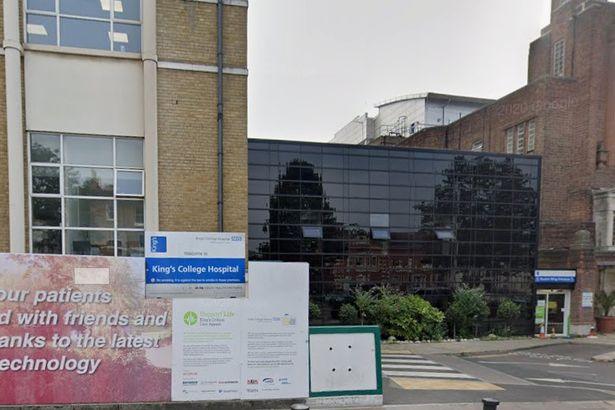
Concerns Raised Following Recent CQC Inspection
An NHS trust located in South London has received a downgrade from the Care Quality Commission (CQC) after an inspection conducted in September 2025. King’s College Hospital NHS Foundation Trust has been rated as ‘Requires Improvement’, a decline from the previous ‘Good’ rating recorded in February 2023. The findings were detailed in a CQC report released on 15 July, highlighting serious issues reported by staff, including instances of bullying, harassment, discrimination, and inequitable career advancement opportunities.
A significant number of employees voiced deep-seated concerns regarding workplace culture, including a pervasive fear of raising issues, inadequate communication, and a general lack of confidence that their grievances would be adequately addressed. Matthew Trainer, who assumed the role of chief executive at the trust earlier this month, remarked, “The team at King’s has made substantial efforts since the CQC inspection, having exited NHS England’s Recovery Support Programme and achieving noteworthy improvements in the latest NHS Staff Survey results.”
Leadership Commitment to Change
Trainer continued, “However, the findings in the CQC report are serious and must be taken to heart. It is vital that staff feel secure when voicing their concerns, and we must ensure that our leadership exemplifies the Trust’s core values—caring, collaborative, inclusive, and innovative—and that staff perceive this commitment.” The trust employs over 14,000 individuals across five hospital locations: King’s College Hospital, Princess Royal University Hospital, Orpington Hospital, Queen Mary’s Hospital, and Beckenham Beacon, serving over a million residents in the London boroughs of Lambeth, Southwark, Lewisham, and Bromley.
Additionally, the trust functions as the designated major trauma centre for South East London, Kent, and parts of Surrey and Sussex. The CQC inspectors conducted their review on 16, 17, and 18 September 2025, coordinating 24 focus groups with 572 staff members and observing board and committee meetings from May to October 2025.
Disconnect Between Values and Experiences
During the inspection, it was reported that staff experienced a significant disconnect between the trust’s stated values and their actual experiences. While compassionate and inclusive leadership is a stated goal, it was not consistently felt throughout the organisation. Many staff indicated that senior leaders were often inaccessible and unresponsive to concerns raised by frontline employees.
The CQC inspectors noted that employees with protected characteristics, including those from ethnic minority backgrounds, disabled staff, and LGBTQ+ individuals, reported mixed experiences regarding development opportunities and career progression. Some felt adequately supported, while others faced barriers that hindered their advancement compared to their colleagues. Overall, the inspection highlighted that staff confidence, psychological safety, and inclusive leadership were not uniformly experienced, indicating that the trust still has substantial work to do in aligning its values, behaviours, and strategic objectives with actual practice.
Positive Aspects Amidst Challenges
When compared to similar trusts, King’s College Hospital was found to perform slightly below average regarding staff engagement and attitudes towards leadership, with concerning rates of bullying, harassment, and discrimination, alongside a notable absence of psychological safety. Despite these challenges, there were positive findings from the inspection, including evidence of the trust’s strong commitment to learning, innovation, and research. Inspectors noted particular strengths in specialist services and maternity care, alongside instances of “system-focused learning” leading to meaningful improvements in various areas.
Report findings acknowledged the dedication of staff across frontline services, who were described as committed, compassionate, and professional, with numerous examples of kind, respectful, and person-centred care observed within local teams, supported by inclusive and approachable leadership at the service level. Furthermore, the trust’s performance in research, accreditation, external partnerships, and innovation activities was recognised nationally, with strong engagement in clinical research driven by dedicated leaders and involved teams.
Strategic Developments and Future Plans
Since the CQC’s well-led inspection last autumn, the trust has successfully exited the NHS Oversight Framework Segment 4, which encompasses trusts and Integrated Care Boards (ICBs) facing the most significant challenges in terms of performance, quality, and finance. Additionally, the trust has been removed from the NHS’s Recovery Support Programme, which offers intensive support and oversight to trusts and ICBs within Segment 4 of the NHS Oversight Framework.
In June this year, the trust unveiled its five-year strategy for the period 2026-31, alongside new organisational values, with efforts ongoing to ensure these principles are integrated throughout the organisation. The journey towards improvement continues as the trust aims to rebuild confidence and enhance the working environment for its staff.




More Stories
Two London Bakers Eliminate Each Other in Great British Bake Off’s Thrilling Bread Week
City Leaders Alert: Healey Bank Tax Increase Could Force Businesses to Leave the UK
Housebuilders Abandon London Amid Labour’s Planning ‘Nightmare’ Crisis