
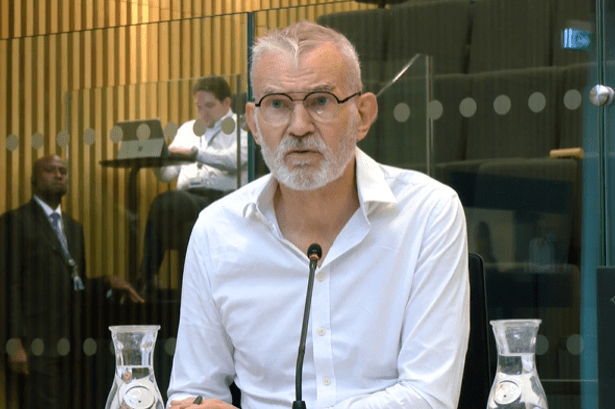
The Chair of the London Assembly, Andrew Boff, has encountered an unexpected setback upon returning from a recent trip to Ukraine, resulting in the closure of his bank account. Boff, a long-standing Conservative Assembly Member and vocal advocate for Ukraine, travelled to the Eastern European nation in late May as part of a delegation from the Council of Europe. This group attended the Ukraine Recovery Conference’s International Summit of Cities and Regions held in Kyiv, the capital.
During his visit, Boff made a modest expenditure of £36 using his bank card associated with a First Direct account. However, upon his return to the UK the following day, he discovered that his card had been rendered inoperative. Almost two months later, on 8 July, the bank, a subsidiary of HSBC, notified him that it had identified transactions made in a country subject to sanctions. In a letter viewed by the Local Democracy Reporting Service (LDRS), the bank stated: “As part of regulations, we must comply with sanction laws and manage any risks effectively. Following a recent review, we determined that the management of these risks is outside of our acceptable limits.”
Longstanding Banking Relationship Ends Abruptly
Despite having been a customer of First Direct for 30 years, Boff has been informed that he is not permitted to appeal the decision, and his account is set to close in October. In light of his experience, he has issued a public advisory to individuals considering travel to Ukraine in support of the nation, which has been under siege from Russian aggression since 2022. Boff, who recently assumed the role of Chair of the London Assembly for the third time in May, expressed his concerns: “It is imperative that we have a robust sanctions programme to curtail the funding of the Russian war machine. However, such a programme should be able to distinguish between purchasing a coffee in Ukraine and one in Russia.”
Boff further expressed his disappointment with First Direct’s lack of comprehensive communication regarding the matter, lamenting that he has had no opportunity to clarify the circumstances surrounding his transactions in hopes of regaining access to his savings and direct debits. “This is simply unacceptable, and I hope that the system can be revised before more Britons find themselves in a similar predicament,” he added. Notably, HSBC, which directed the actions taken by First Direct, is based in London yet holds significant ties to Hong Kong and China, raising further concerns about its treatment of UK customers following visits to Ukraine.
Political Implications and Broader Concerns
Boff’s situation has garnered support from Reform UK’s Alex Wilson, who commented on the implications of such actions against elected representatives. Wilson remarked to the LDRS, “The debanking of elected politicians is an unfair and deeply undemocratic practice that amounts to political interference. Reform UK has experienced this issue more than any other party, notably with the unjust closure of Nigel Farage’s NatWest account and the central Party’s MetroBank account a few years ago. It is alarming that this trend appears to be ongoing.” He urged First Direct to reconsider their decision and extend an apology to Mr Boff.
In light of these events, HSBC has opted not to provide any comment on the situation, leaving many to speculate about the broader implications of banking policies in relation to political and humanitarian engagements.



More Stories
89-Year-Old London Grandmother Faces Removal of Beloved Flower Garden Due to Neighbour Complaints
Discover East London’s Hottest Affordable Brunch Spot: Electric Delights Taking the City by Storm
Big Church Festival Under Lockdown After Sign Falls and Injures Attendees