
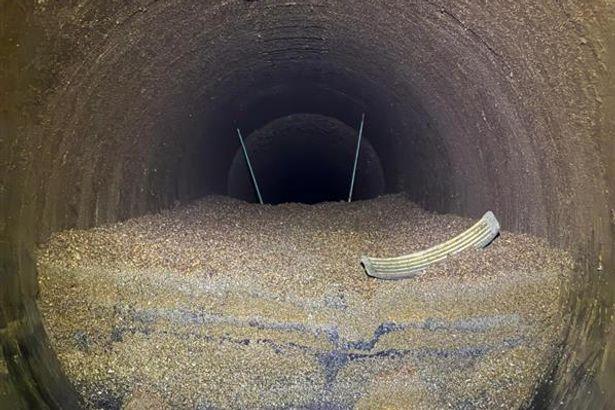
Thames Water is faced with the daunting task of removing over four Olympic-sized swimming pools’ worth of Quagga mussels from its network annually. The water utility reports an expenditure exceeding £6 million each year to manage these invasive species, with engineers often discovering hundreds of thousands of these shellfish obstructing pipes in a single instance. The Quagga mussel, a freshwater invasive species in the UK, is known for its remarkable reproductive capacity, with a single mature mussel capable of producing up to one million eggs in a single breeding season.
These mussels tend to cluster densely on hard surfaces, which not only restricts water flow but also heightens the risk of service disruption. For years, this invasive species has posed a significant challenge to the water network, and the situation has recently intensified. In response, engineers have resorted to powerful tools, including hydro-blasters and, in severe cases, the use of divers, to effectively clear mussels from vital water infrastructure.
Additional Invasive Species Threatening Infrastructure
Quagga mussels are not the only invasive species wreaking havoc on the water network. Signal Crayfish and Chinese mitten crabs also present considerable challenges, as they are notorious for burrowing, which can lead to extensive corrosion and siltation within pipes. This narrowing of the passageways increases the likelihood of flooding, further complicating the efforts to maintain a reliable water supply.
Alexandra Collington, the Biosecurity and Invasive Non-Native Species Officer at Thames Water, commented on the situation: “While Quagga mussels may be small in size, their impact on our network is anything but negligible. Whether it’s crabs or crayfish, we are witnessing non-native invasive species inflicting damage on our infrastructure and causing significant disruptions. These species pose a substantial threat to native wildlife and biodiversity, adversely affecting the health and balance of our ecosystems.”
Commitment to Addressing Invasive Species
Collington further emphasised Thames Water’s commitment to intensifying efforts in managing the impact of invasive species on their infrastructure over the coming years. She stated, “We are dedicated to ensuring that our network remains safe while also protecting our waterways and wildlife.” This proactive approach aims to mitigate the challenges posed by invasive species and safeguard the integrity of both the water supply and the surrounding ecosystems.




More Stories
Meet Britain’s Strongest Schoolgirl: The Edgware Weightlifter Breaking Stereotypes
Two London Bakers Eliminate Each Other in Great British Bake Off’s Thrilling Bread Week
City Leaders Alert: Healey Bank Tax Increase Could Force Businesses to Leave the UK