
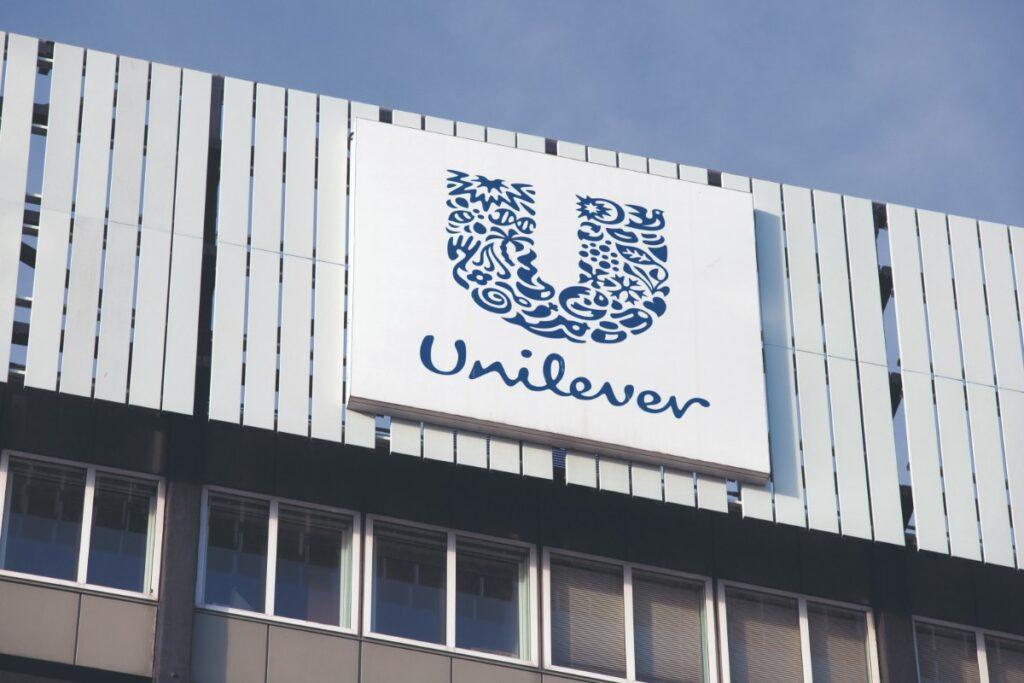
Unilever’s proposed merger of its food division with spice giant McCormick, valued at $65 billion, is expected to receive approval from regulatory bodies.
This significant move highlights Unilever’s strategic efforts to enhance its portfolio in the competitive food market. The combination of Unilever’s extensive distribution network and McCormick’s renowned expertise in spices and seasonings is anticipated to create a formidable entity capable of meeting evolving consumer demands.
As the merger progresses towards regulatory approval, stakeholders are keenly observing the potential implications for market dynamics and product offerings. The collaboration aims to leverage synergies, streamline operations, and innovate within the culinary space, thereby positioning both companies for future growth in an increasingly health-conscious and flavour-driven market.
Strategic Implications of the Merger
The unification of these two industry leaders is set to redefine standards within the food and spice sectors. By harnessing McCormick’s strong branding and product variety alongside Unilever’s vast reach, the merger could lead to enhanced consumer engagement and increased market share.
Moreover, the deal is expected to facilitate the introduction of new products that align with current trends, such as plant-based options and organic ingredients. This strategic alignment not only addresses the growing consumer preference for healthier food choices but also positions the merged entity to respond more effectively to market shifts.
Regulatory Outlook and Market Reaction
As the merger awaits regulatory clearance, analysts predict a favourable outcome given the complementary nature of the two businesses. Regulatory scrutiny often focuses on potential anti-competitive practices, but the collaborative nature of this merger is likely to be viewed positively, particularly in light of the innovation and consumer benefits it promises.
Market reactions have been cautiously optimistic, with investors keen to see how the merger will unfold and its long-term impact on both companies’ valuations. The successful integration of Unilever and McCormick could serve as a benchmark for future mergers within the industry, illustrating the potential for growth through strategic partnerships.



More Stories
Asian Stock Markets Struggle as AI Concerns Resurface
Senegal Regains AFCON Championship Title Following Successful CAS Appeal Over Controversial Walk-Off
Poundland Bidder Xyra Secures Funding to Fuel Retail Expansion Plans