
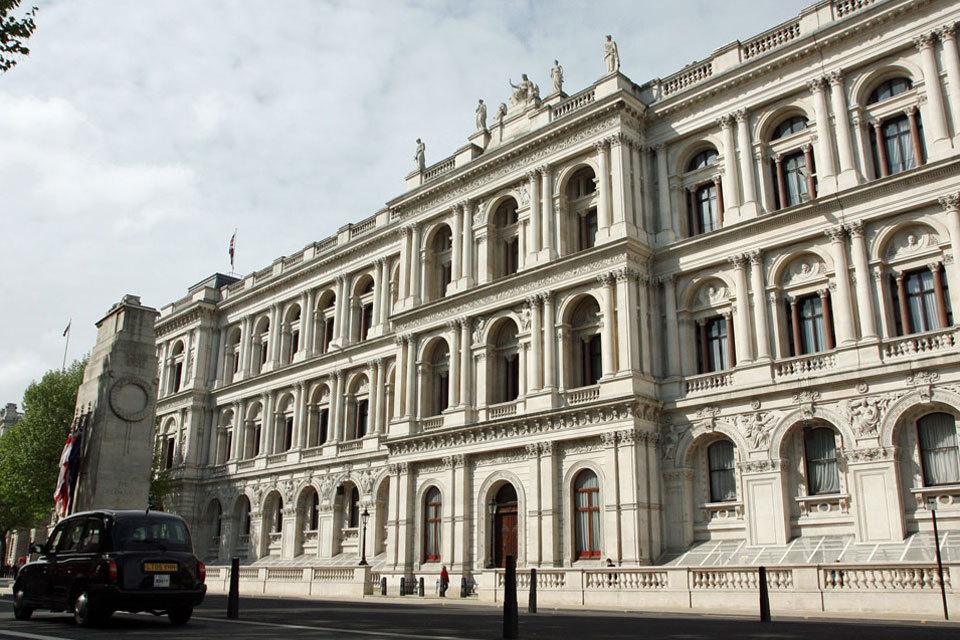
The United Kingdom has officially recognised the genocide perpetrated against the Rohingya people, announcing a comprehensive set of measures aimed at holding the Myanmar military accountable for its continued atrocities. This announcement, made on 23 November, follows a landmark ruling from the International Court of Justice (ICJ) regarding the treatment of the Rohingya.
New Measures to Address Atrocities
The Foreign Secretary outlined the UK’s commitment to translating the ICJ’s ruling into actionable steps. This includes the imposition of new sanctions targeting senior military officials, legislative efforts to restrict the supply of aviation fuel to Myanmar, and increased humanitarian assistance aimed at supporting survivors and facilitating justice.
This series of measures reflects the UK’s resolve to uphold its values and reinforce international law. The UK has consistently advocated for accountability in this matter, having summoned the Myanmar Chargé d’affaires and expelled the Myanmar Defence Attaché. Furthermore, the UK collaborated with multiple countries, including Belgium, Canada, and New Zealand, to issue a joint statement condemning the actions of the Myanmar military.
The Significance of the Court’s Judgment
The ICJ’s judgment is a pivotal moment for both the Rohingya community and the broader international justice landscape, especially in light of the military’s “clearance operations” in 2017, which involved mass atrocities such as killings and sexual violence, leading to the forced displacement of many. Civilians in Myanmar continue to face horrific violence, including deadly airstrikes and severe restrictions on access to essential food and medical supplies.
The newly announced sanctions specifically target five senior military officers, imposing asset freezes, travel bans, and disqualifications from directorships due to their involvement in ongoing violence and repression against civilians across Myanmar.
Humanitarian Assistance and Support for Survivors
In addition to punitive measures against military personnel, the UK Government is allocating £5 million in new funding for humanitarian assistance. This funding aims to provide vital services to approximately 350,000 individuals in Rakhine State, where the need for support is particularly urgent.
Moreover, an additional £3 million will be dedicated to enhancing accountability and justice for survivors of human rights violations across Myanmar. This initiative includes efforts to collect and preserve evidence, document violations, and assist survivors in seeking justice. The UK is also doubling its support for the UN’s International Investigative Mechanism for Myanmar (IIMM), which has played a crucial role in gathering evidence that supports the ICJ’s ruling.
Commitment to Justice and Stability
The Foreign Secretary expressed the UK’s unwavering commitment to addressing the atrocities faced by the Rohingya. He emphasised that the violence and persecution endured by the Rohingya demand a resolute response. The UK’s actions today are directed at those implicated in the repression of the civilian population and other grave human rights abuses in Myanmar.
Furthermore, the UK is actively engaging with international partners to ensure that this judgment leads to meaningful actions and renewed pressure on Myanmar. An urgent session with UN Security Council members has been convened to discuss the implications of the ruling, with plans for a subsequent meeting aimed at addressing the situation in Myanmar.
Sanctions Against Key Military Figures
The Foreign Secretary provided details on the sanctions imposed against specific senior military figures. These include:
- Myo Htut Hlaing, Brigadier General and Deputy Commander of Northwestern Regional Command, sanctioned for serious abuses related to the treatment of prisoners in Chin State.
- Major General Myo Min Tun, Eastern Military Commander, sanctioned due to involvement in the repression of civilians and activities threatening Myanmar’s stability.
- Major General Myat Thet Oo, former Commander of Northern Command, sanctioned for enabling repression through various senior roles within the military and government.
- Major General Kyaw Soe, appointed commander of the Western Command in June 2026, sanctioned for his role in serious repression, particularly through airstrikes.
- Major-General Kyaw Swar Oo, former commander of the Western Command, sanctioned for responsibility in the airstrike on Mrauk-U General Hospital that resulted in civilian casualties.
The UK now officially acknowledges six historical instances of genocide, including those against the Rohingya, recognising the need for continued vigilance and action to prevent further atrocities.

More Stories
COP31 Outcomes: Answers to Your Key Questions Explained
Kent Communities Encouraged to Trust Their Instincts and Report Waste Crime
Sovereign AI Partners with National Security Strategic Investment Fund to Support UK Autonomous Defence Systems Company