
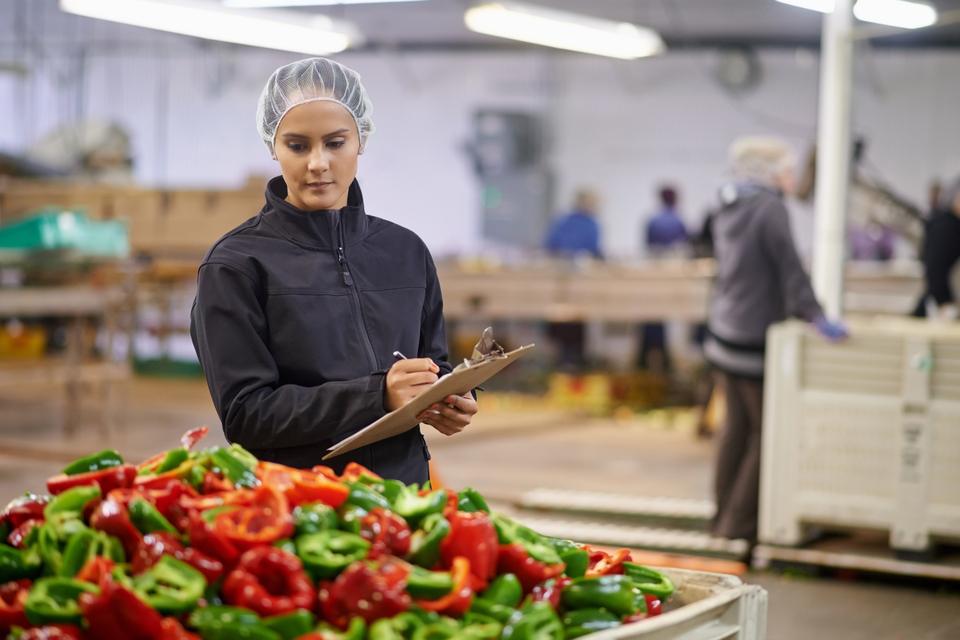
Small and medium-sized food and drink exporters in Britain have expressed concerns that the post-Brexit trading regulations have adversely affected their profitability. A survey conducted among 600 such manufacturers across Great Britain revealed that 55% of SME exporters to the EU and 47% of importers reported a decline in profits since the implementation of new trading requirements in January 2021.
Government Initiatives to Facilitate Trade
These findings emerge as the government engages in negotiations for a new food and drink agreement aimed at simplifying trade with the EU, Britain’s largest trading partner. The goal is to make trade more accessible and affordable, ultimately benefiting British businesses ahead of the upcoming UK-EU summit on 20 November.
This week, Environment Secretary Angela Eagle is visiting SMEs to gain insights into how reducing trade barriers with the EU can foster growth, boost exports, and create job opportunities for firms like Provender. The government’s ambition is to stimulate growth across all regions, ensuring that food and drink businesses of all sizes share in the benefits.
Challenges Faced by Smaller Enterprises
Family-run and smaller businesses have been particularly vulnerable to the complexities associated with extensive paperwork, border checks, and delays, as they often lack the resources to manage these additional burdens. Among the SMEs that have ceased trading with the EU since 2021, 69% of exporters and 55% of importers cited Brexit as a significant factor. Nevertheless, the research also highlights potential opportunities for revitalising trade.
For firms that have awaited solutions for years, there is a sense of optimism that conditions may improve for small business profitability. Approximately 58% of food and drink manufacturing SMEs believe that a new UK-EU food and drink agreement could facilitate an increase in, or the resumption of, exporting activities within a year, with half expressing similar sentiments regarding imports.
Government Support and Priorities
Environment Secretary Dame Angela Eagle emphasised that behind every statistic lies a family business that should be exporting quality British produce but is instead hindered by bureaucratic obstacles. She reiterated the government’s commitment to negotiating a deal with the EU to reduce red tape, alleviate pressure on food price inflation, and support businesses of all scales in making trade more manageable.
Reducing costs for businesses is essential in alleviating the strain of food price inflation, ultimately providing families with greater financial flexibility. When asked about the most significant factors that would enhance or establish exports to the EU, food and drink manufacturing SMEs overwhelmingly highlighted reduced paperwork (79%), lower trading costs (78%), and fewer border delays (71%) as their primary concerns. The same priorities were noted for imports, with 68%, 65%, and 64% respectively.
Collaboration and Future Directions
In addition to ongoing negotiations, the government is exploring what practical support businesses require to capitalise on easier trade. Clear guidance has been deemed extremely or very influential by 71% of exporters and 61% of importers, ranking above trade promotion or training initiatives. To ensure that support reaches enterprises throughout the country, the government is collaborating with trade bodies and local business networks.
Moreover, leaders convened in Dublin on 12 November for the ninth meeting of the European Political Community, where heads of state and government discussed security, stability, and prosperity across Europe.
Research Background
The research was conducted by ICF for Defra, surveying 600 food and drink manufacturing SMEs across Great Britain, including England, Scotland, and Wales. The findings reflect the businesses’ own reports and intentions and can be accessed through government resources.


More Stories
Students Acquire Essential Money Management Skills in Exciting Curriculum Revamp
UK Government’s Stance on COP31 Results: Key Insights and Implications
PM Holds Key Meeting with Dutch Prime Minister Jetten on 21 November 2026