
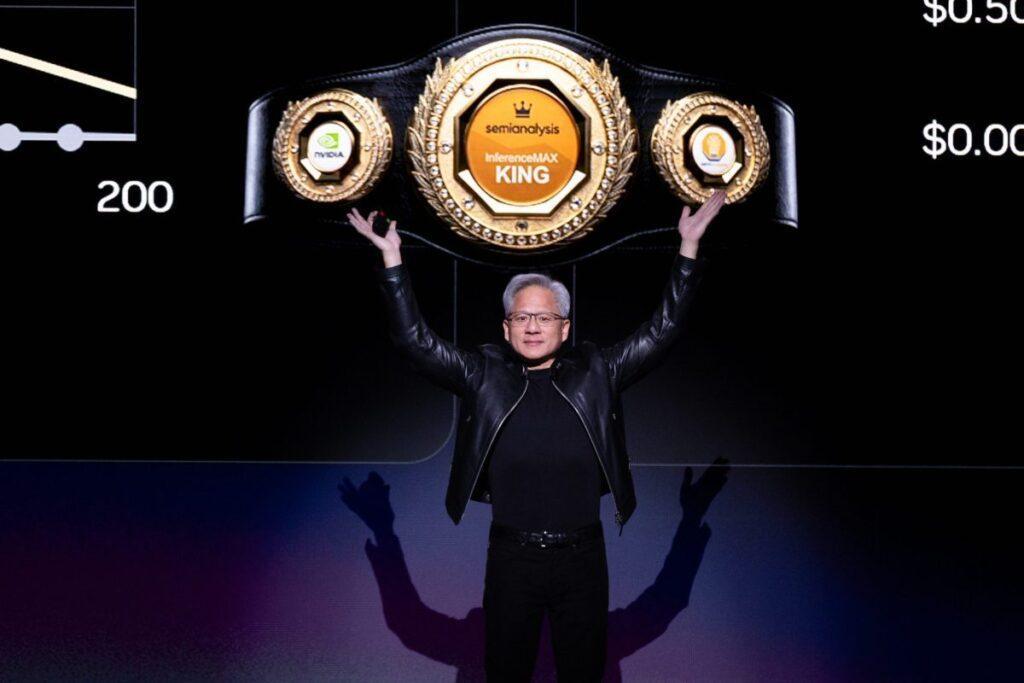
Charismatic leaders often possess the ability to inspire and energise those around them, creating an environment that fosters innovation and enthusiasm. However, the recent turn of events surrounding Jensen Huang illustrates the significant risks associated with the concentration of power in the hands of a single individual. While Huang has been lauded for his visionary leadership at the forefront of technology, this situation serves as a cautionary tale regarding the potential pitfalls of unchallenged authority.
Leaders who command immense charisma can sometimes overshadow the contributions of their teams, leading to a culture where dissent is stifled and diverse perspectives are undervalued. This can create an imbalance that not only affects decision-making processes but also jeopardises the overall health of an organisation. The allure of a charismatic leader may blind stakeholders to warning signs, ultimately resulting in a failure to address critical issues in a timely manner.
The Risks of Power Concentration
The concentration of power can lead to a lack of accountability, where decisions are made unilaterally without the necessary checks and balances. In Huang’s case, the implications of such a leadership style have become increasingly apparent. As the organisation faced challenges, it became evident that the reliance on a singular vision can stifle adaptive responses to changing market dynamics.
Moreover, when leaders become the focal point of an organisation, it can result in a diminished sense of ownership among team members. Employees may feel disengaged, believing their contributions are secondary to the leader’s vision. This can lead to a decline in morale and innovation, as individuals hesitate to voice their ideas or concerns, fearing that they may not be valued.
Encouraging Collaborative Leadership
To mitigate these risks, organisations should strive to cultivate a culture of collaborative leadership. By encouraging diverse viewpoints and fostering an environment of trust, leaders can empower their teams to contribute meaningfully to the organisation’s objectives. This approach not only enhances decision-making but also promotes a sense of shared responsibility among all members.
Incorporating mechanisms for feedback and open dialogue can help ensure that leaders remain grounded and aware of the broader organisational landscape. By embracing relational leadership principles, companies can create high-performance environments that thrive on collaboration and mutual respect.
Lessons for Future Leadership
The unfolding narrative surrounding Huang serves as a reminder of the importance of balancing charisma with inclusivity. As organisations navigate the complexities of modern business, the emphasis must shift from individual brilliance to collective intelligence. Leaders who prioritise collaboration and cultivate trust will not only navigate challenges more effectively but will also inspire loyalty and commitment from their teams.
Ultimately, the story of any leader is not solely about their vision but also about the legacy they leave behind. Encouraging a culture of shared leadership can pave the way for sustainable success, where the organisation can thrive even in the absence of a singular charismatic figure.




More Stories
Sandpapergate: Cricket Australia Must Address Demand for New Independent Inquiry
Inflation Emerges as Voters’ Primary Concern Amidst Escalating Iran Conflict
Why the Net Zero Agenda Could Be Detrimental for the UK